Samsung Electronics has recently filed a design patent indicating the creation of a more affordable version of its Galaxy Z Flip smartphone. This patent was published by the World Intellectual Property Organization (WIPO), unveiling a new clamshell foldable design that differs from the current Galaxy Z Flip models available in the market.
The patent, first revealed by technology news outlets in March 2026, outlines a vertically folding smartphone maintaining the Galaxy Z Flip’s core clamshell form factor. However, the design tweaks include a simplified camera module layout and a smaller cover display, aimed at lowering production costs.
Design Changes for Affordability


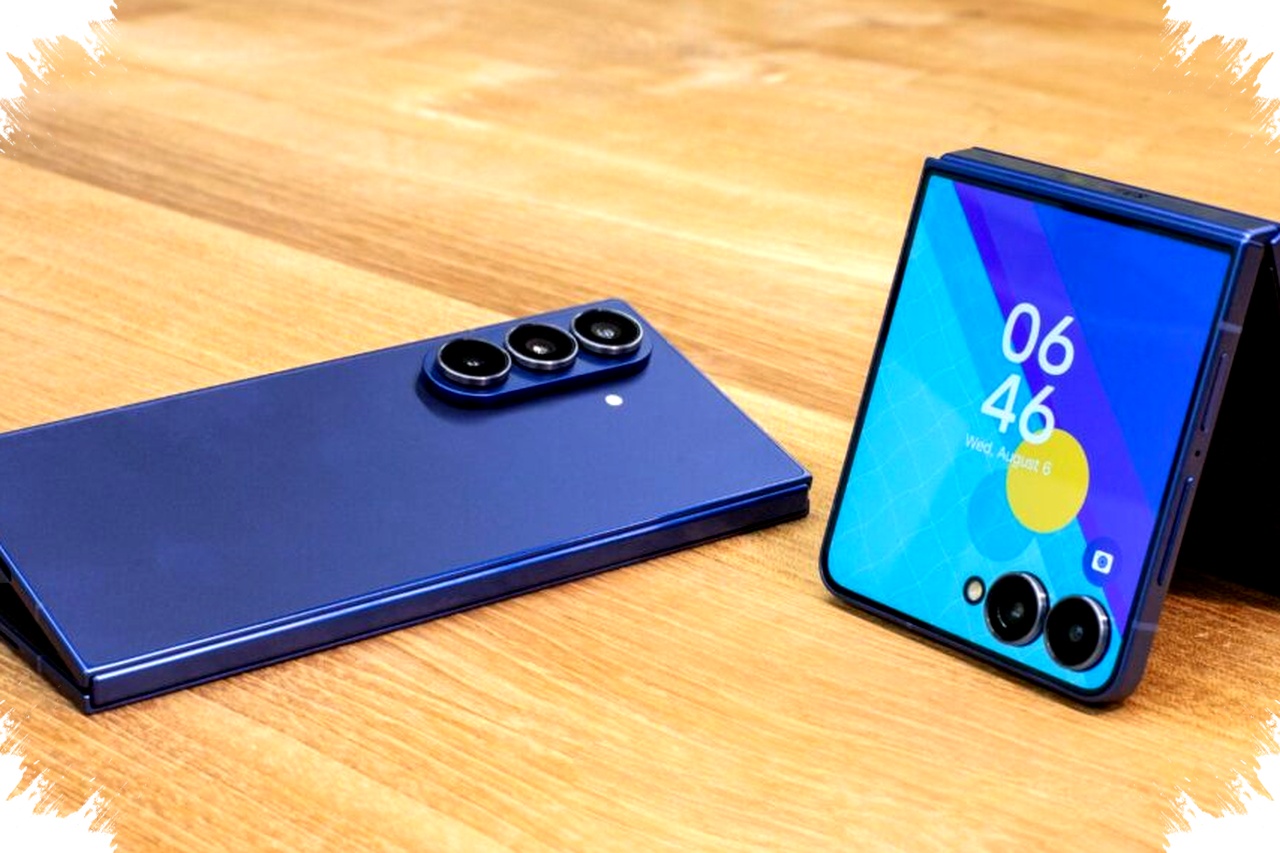
The Samsung Galaxy Z Flip patent shows a foldable device with a flexible main screen that folds vertically via a hinge mechanism. Unlike recent Z Flip generations, this new concept features a more minimalist cover display that sits beside a horizontally arranged dual-camera setup on the phone’s exterior.
Reducing the cover display size and simplifying camera modules could reduce the complexity and cost of components such as the flexible screen and precise hinge technology. These elements have traditionally been key drivers of the high price tags associated with foldable smartphones.
Potential Market Impact
If Samsung turns this patent into a commercial product, it may signal the company’s strategy to broaden its user base within the premium foldable segment by introducing a lower-priced Galaxy Z Flip variant. Currently, Galaxy Z Flip and Galaxy Z Fold models occupy a high price range, often limiting access to tech enthusiasts and premium customers.
Lowering the entry price for foldables meets a growing industry trend where manufacturers like Huawei, Oppo, Motorola, and Xiaomi are pushing to democratize foldable smartphone technologies. Affordability can be a decisive factor in accelerating mass adoption beyond niche markets.
Key Features Highlighted in the Patent
-
Vertical Clamshell Form Factor
Preserves the classic Galaxy Z Flip style with a focus on compact foldability. -
Flexible Primary Display
The main screen folds vertically via an advanced hinge system designed for durability. -
Smaller Cover Display
Displays notifications, time, and quick app controls without adding cost-heavy complexity. -
Dual Horizontal Rear Cameras
Positioned at the top outside of the phone, offering familiar camera functionality. - Slim Frame and Close Fold
Enhances device robustness and user comfort while minimizing the thickness when folded.
Samsung’s Foldable Innovation Journey
Samsung pioneered the commercial foldable smartphone era by launching the Galaxy Fold in 2019. Since then, it has concentrated on two distinct models: Galaxy Z Fold with a book-style fold, and Galaxy Z Flip featuring a vertical fold design. This patent continues Samsung’s commitment to expanding and refining the foldable portfolio.
The company is also known for investing in display and hinge technologies to improve screen longevity and fold reliability. This ongoing innovation has helped Samsung maintain a leading position among foldable device makers.
Challenges in Foldable Smartphone Pricing
Despite advances, foldable smartphones remain significantly more expensive than traditional flagship phones. For instance, current Galaxy Z Flip models typically cost upwards of $1,000. Manufacturing costs for flexible OLED panels, high-precision hinges, and large external displays contribute to these premium prices.
Reducing hardware complexity and component sizes, as seen in the new patent, can help Samsung decrease the base production cost. This effort might enable the company to price new foldable models more competitively, revising foldables from niche premium devices to more mainstream options.
Industry and Consumer Outlook
The broader smartphone market has reacted positively to foldable innovations but views the price as a barrier to purchase. If Samsung launches a more budget-friendly Galaxy Z Flip, it could entice consumers who have been waiting for a more affordable entry into foldable phones.
Moreover, Samsung’s move aligns with the competitive landscape where other brands experiment with folding form factors in different price categories. This could spur a price and feature war in the foldables category, accelerating technology adoption.
Patent Filing Does Not Guarantee Product Launch
It is important to note that patent registration does not always result in a commercial product. Companies often file patents to protect intellectual property and explore multiple design possibilities. Samsung routinely registers patents concerning foldable screen mechanisms, hinge designs, and camera layouts.
Some patents eventually become real products, while others remain conceptual. However, given Samsung’s history of evolving the Galaxy Z Flip lineup, this design patent strongly suggests that the company is actively exploring options for a more accessible foldable smartphone.
In conclusion, Samsung’s patent for a more affordable Galaxy Z Flip model reflects the company’s ongoing effort to expand foldable technology’s appeal. Simplified design elements focusing on reducing manufacturing costs indicate a strategic push toward making foldable devices more attainable for a broader consumer base. If realized, this could mark a significant step toward mainstream adoption of flexible smartphones in the coming years.