


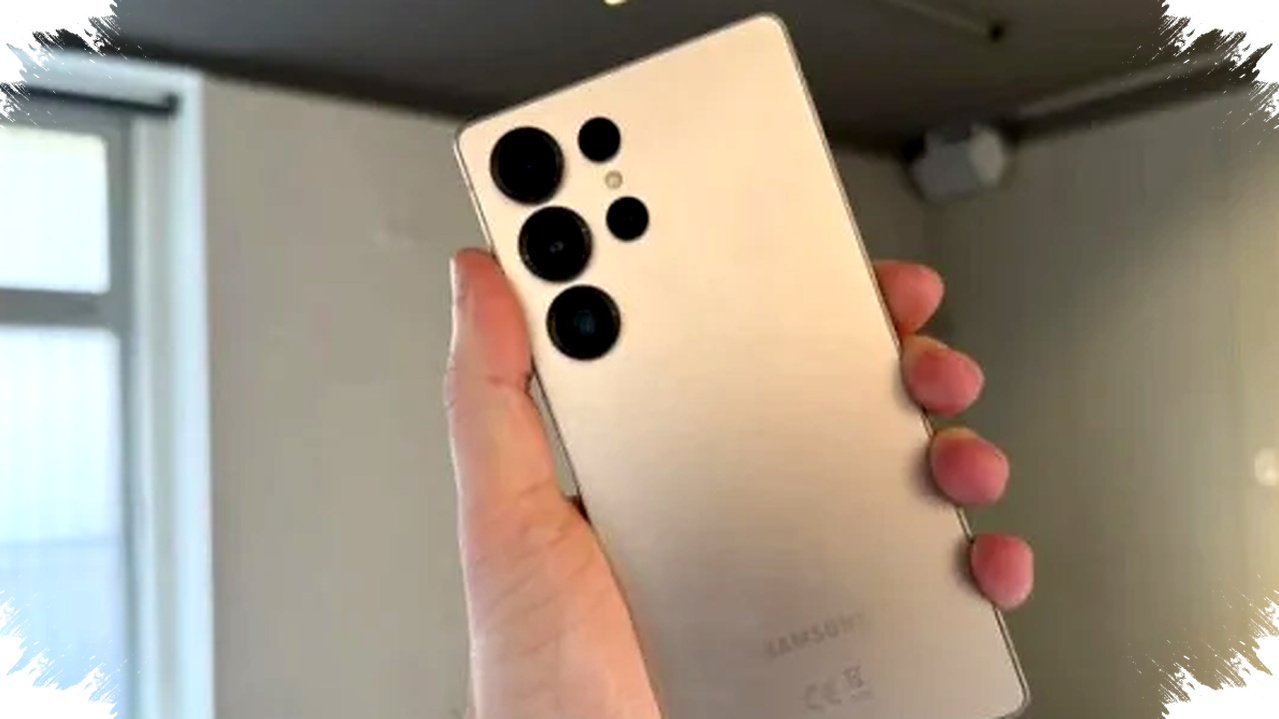
Samsung recently launched the Galaxy S26 Ultra, introducing several groundbreaking features for the smartphone market. Among the upgrades, the fast charging system stands out with a significant boost to 60 watts wired charging and 25 watts wireless. However, for Indonesian users familiar with earlier Samsung models, the question arises about what it means when the Galaxy S26 Ultra also supports a 20-watt charging mode and how beneficial it could be locally.
Understanding the Fast Charging Capability
The Galaxy S26 Ultra ships with a 60-watt wired fast charging adapter, a marked improvement from the previous generation’s 45 watts. This enables the device to reach full battery capacity much faster, reducing downtime for users. Additionally, wireless charging has increased to 25 watts for more convenient power-ups without cables.
Interestingly, Samsung includes support for a slower 20-watt fast charging mode. This may seem inferior on paper compared to the flagship’s maximum rate but has practical advantages in several usage scenarios, especially for consumers in Indonesia.
Why the 20-Watt Fast Charging Matters
-
Wide Charger Compatibility: Many users in Indonesia often use standard Samsung chargers from earlier models or third-party OEM adapters. These typically offer charging speeds around 15 to 25 watts. The official 20-watt fast charging compatibility ensures efficient charging without risking damage or overheating when non-60W chargers are used.
-
Cost-Effectiveness: The 60-watt chargers are more expensive and less common in online and offline retail markets outside major urban centers. By supporting 20-watt charging, Samsung allows users to benefit from reasonably fast charging using readily available, budget-friendly chargers without compromising battery health.
-
Battery Longevity and Heat Management: Charging at a high wattage generates more heat, which can shorten battery lifespan if used repeatedly. A 20-watt charging mode offers a safer middle ground, balancing fast recharge times and prolonged battery durability—an important factor considering Indonesia’s tropical climate where overheating issues may occur more frequently.
- Power Stability with Local Electricity: Power grid inconsistencies are common in various Indonesian regions. Fast charging at ultra-high wattages may sometimes become unstable with fluctuating voltage. The 20-watt mode can provide a stable charging experience even in less reliable electrical environments.
Benefits for Indonesian Users
Samsung’s decision to maintain support for the 20-watt charging standard brings considerable advantages to Indonesian consumers. Firstly, the flexible charging modes enable users to optimize charging speed based on their available chargers and preferences. For instance, urban users with access to official 60-watt chargers can enjoy rapid top-ups, while rural or budget-conscious users can safely use more economical chargers without losing too much time.
Secondly, the compatibility reduces the total cost of ownership. Users not ready to invest in the latest and expensive 60-watt chargers still gain respectable charging performance while protecting battery health. This matches well with Indonesian consumers’ growing but cost-aware smartphone ecosystem.
Thirdly, it helps maximize battery life and device durability in a country where temperature and infrastructure factors could otherwise degrade performance over time. The ability to charge moderately fast without excessive heat stress ensures the Galaxy S26 Ultra remains a reliable daily driver for years, reinforced by Samsung’s guarantee of 7 years of software and security updates.
Practical Charging Scenarios for Indonesian Users
It is useful to illustrate how the 20-watt charging mode fits real-life usage:
| Scenario | Recommended Charging Mode | Reason |
|---|---|---|
| Using official Samsung 60W charger | 60W | Fastest charging, ideal for quick top-ups |
| Charging overnight with old charger | 20W | Prevents overheating and better battery care |
| Charging in areas with unstable power | 20W | Stable charging performance under voltage fluctuations |
| Using third-party chargers | 20W | Safer compatibility without risking device |
Fast Charging and the Broader Galaxy S26 Ultra Innovation
The Galaxy S26 Ultra also features other premium upgrades relevant to Indonesian users. Its revolutionary privacy display embedded inside the pixels improves content security, particularly for sensitive transactions on mobile banking or e-wallet apps. The AI enhancements, including automatic calendar popups and spam call screening, elevate daily usability and protection.
The design is refined with a more rounded screen edge and a weight of only 215 grams, making it comfortable for prolonged handheld use. The camera improvements bring brighter lenses for superior photos in varied lighting conditions, and video stabilization technologies enhance recording reliability—features attractive to photography enthusiasts and content creators.
All these element upgrades combined with the flexible charging options present Samsung’s vision for an advanced but adaptable smartphone for diverse Indonesian needs.
Conclusion
The Samsung Galaxy S26 Ultra’s support for 20-watt fast charging alongside its powerful 60-watt wired and 25-watt wireless charging options provides a thoughtful balance of performance, safety, and accessibility. For Indonesian users, this means they can benefit from fast power refill whether they have access to top-tier chargers or opt for economical alternatives.
In a market where pricing sensitivity, infrastructure variability, and environmental conditions demand flexibility, Samsung’s charging strategy enhances the usability and long-term value of the Galaxy S26 Ultra. This approach aligns perfectly with the expectations of Indonesian consumers who seek cutting-edge technology without compromising reliability or affordability.