


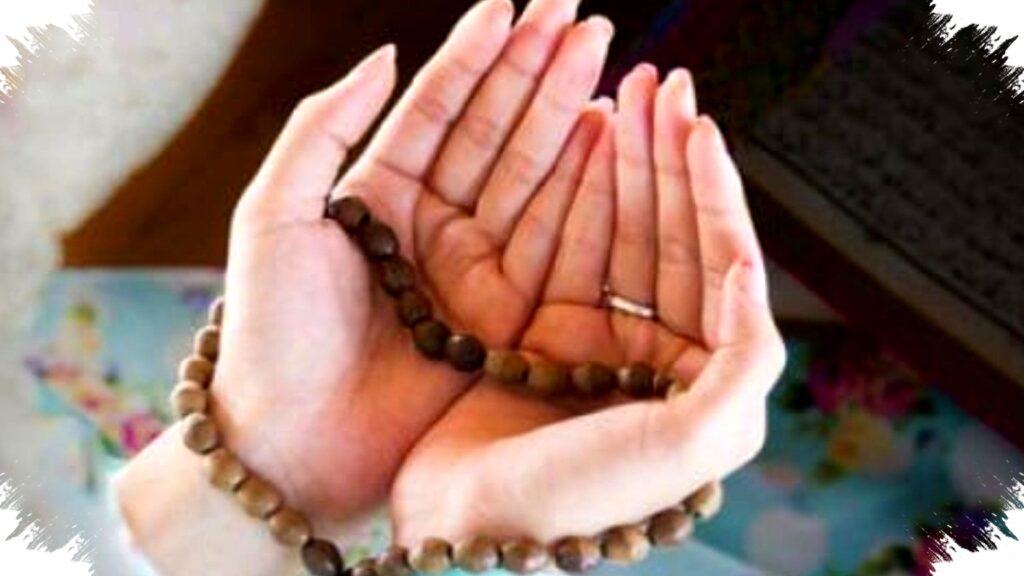
As the holy month of Ramadan draws to a close, Muslims around the world are encouraged to increase their prayers and supplications. These final moments serve as a spiritual crescendo, allowing believers to seek blessings and mercy from Allah while reflecting on their month-long devotion. The Prophet Muhammad (peace be upon him) emphasized the importance of certain powerful prayers, known as doa mustajab, which are especially recommended to be recited in the last days of Ramadan.
One significant prayer is a request that the fast of Ramadan not be the last fast in a person’s life. This supplication, narrated from the companion Jabir bin Abdillah, is poignant and hopeful: "Allahumma la taj’alhu akhiral ‘ahdi min shiyamina iyyahu, fa in ja‘altahu faj‘alni marhuman wa la taj‘alni mahruman." It means, "O Allah, do not let this Ramadan be the last of my fasts. But if You make it the last, then have mercy on me and do not deprive me of Your mercy." Scholars note that those who recite this prayer in the days leading up to Eid are granted goodness—whether Allah wills they witness another Ramadan or bestows His mercy and forgiveness upon them.
Another essential prayer implores Allah to grant the opportunity to meet Ramadan again in the future: "Allahumma sallimni ila Ramadhan wa sallim li Ramadhan wa tasallamhu minni mutaqabbala," which translates as "O Allah, deliver me safely to Ramadan, deliver Ramadan safely to me, and accept my deeds therein." This prayer demonstrates a Muslim’s desire not only to live until the next Ramadan but also to have their worship accepted.
Muslims are also encouraged to pray for the acceptance of their acts of worship. A commonly recited dua is: "Rabbana taqabbal minna shiyamana wa qiyamana wa ruku’ana wa sujudana wa tilawatana innaka antas sami‘ul ‘alim," meaning, "Our Lord, accept from us our fasting, our standing (in prayer), our bowing, our prostrations, and our recitations. Truly You are the All-Hearing, All-Knowing." This prayer acknowledges the sincerity of one’s efforts throughout the month and seeks Allah’s approval of those efforts.
Recommended Prayers at Ramadan’s End
-
Prayer for Continuity of Fasting:
- Arabic: Allahumma la taj’alhu akhiral ‘ahdi min shiyamina iyyahu…
- Purpose: To ask Allah not to make this Ramadan the last one a person observes.
-
Prayer for Meeting Ramadan Again:
- Arabic: Allahumma sallimni ila Ramadhan wa sallim li Ramadhan…
- Purpose: To pray for the chance to experience Ramadan once more.
- Prayer for Acceptance of Worship:
- Arabic: Rabbana taqabbal minna shiyamana wa qiyamana…
- Purpose: To seek Allah’s acceptance of all acts of worship performed during Ramadan.
Approaching Eid al-Fitr, these prayers serve not only as acts of devotion but also as reflections on spiritual growth. The end of Ramadan can be an emotional experience, marked by gratitude and yearning for continued spiritual connection. Increasing supplications during this final period can help consolidate the spiritual benefits gained during the month.
Furthermore, the conclusion of Ramadan opens the pathway to Eid al-Fitr celebrations, a time for forgiveness, social harmony, and strengthening family ties. Practicing these recommended prayers with sincerity prepares the soul for the joyous occasion, ensuring a peaceful transition from fasting to festivity. They also reinforce humility before Allah and encourage believers to maintain spiritual disciplines beyond Ramadan.
As documented in Islamic traditions, the teachings of the Prophet Muhammad provide a clear framework for these end-of-Ramadan practices. Incorporating these prayers into daily routine in the last days of Ramadan offers a meaningful way to seal one’s devotion and renew intentions for future worship. The significance of these duas is backed by their repeated narration in hadiths and their deep roots in Islamic worship etiquette.
In summary, by sincerely engaging in these heartfelt prayers during Ramadan’s final days, Muslims enhance their spiritual readiness for Idul Fitri. They also foster hope for Allah’s mercy and acceptance, while expressing a humble wish to meet the blessed month again. This mindful practice represents both a culmination of Ramadan’s worship and a preparation for the continued journey of faith.