


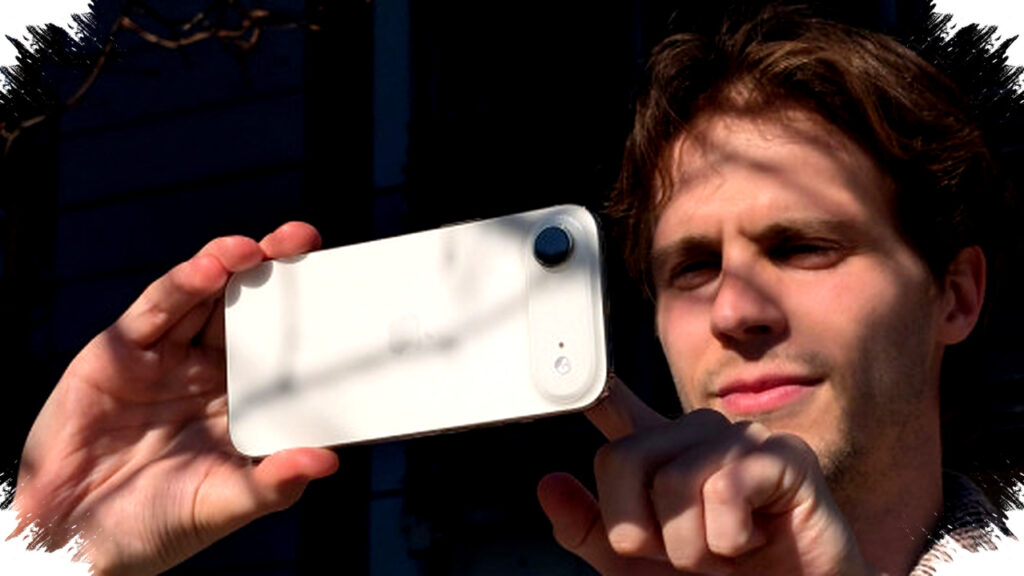
The iPhone Air enters the 2026 smartphone market with a bold proposition—a remarkably thin and lightweight design that challenges conventional flagship norms. With a body thickness of just 5.64mm, it sets a new industry benchmark for slimness and elegance. Apple redefines premium aesthetics without compromising on performance, but some trade-offs raise questions about its overall practicality.
Apple’s innovation centers on packing core hardware into a compact ‘Camera Plateau’ on the rear panel. Weighing 41 grams less than the iPhone 17 Pro, the iPhone Air features a 6.5-inch display, striking a balance between screen real estate and a form factor that users can comfortably hold. The use of titanium and glass gives the device a sleek, futuristic feel. Its ultra-thin profile often leads observers to mistake it for a prototype rather than a consumer-ready phone.
Performance Powered by A19 Pro Chipset
Despite its slender design, the iPhone Air houses the powerful A19 Pro chipset, matching the performance levels of contemporary flagship models. This enables smooth multitasking and seamless execution of resource-heavy apps. The device also boasts a 120Hz refresh rate combined with Apple’s Dynamic Island, promising fluid and immersive visual experiences. These capabilities affirm that the iPhone Air is not merely a stylish gadget, but a high-performance tool suitable for both professional and entertainment needs.
Compromises in Camera and Battery Life
Not all aspects of the iPhone Air match its advanced design and processing prowess. The camera system, priced at $999, is notably modest. It features a single 48MP Fusion sensor, the same as the entry-level iPhone 17e model. This omission of multi-lens setups, such as ultrawide or telephoto lenses, poses a clear downside for photography enthusiasts expecting flagship versatility.
Battery endurance also falls short of expectations. While Apple advertises all-day usage, real-world tests reveal that intensive activities, especially those involving 5G connectivity, deplete the battery at a faster rate than anticipated. Streaming offline videos offers better longevity, but the overall power management requires careful user attention to avoid mid-day recharges.
Design vs. Function: A Delicate Balance
Choosing the iPhone Air largely depends on what users value most. Those who prioritize a revolutionary design and effortless handling may overlook the constrained camera functionality. The emotional satisfaction derived from holding such a thin and stylish phone remains a significant appeal. However, users who need advanced camera options and stronger battery capacity might find the device less fulfilling.
Apple’s iPhone Air ignites an important industry dialogue: can striking design alone justify a premium price tag? By pushing the limits of slimness, Apple reveals ongoing challenges in optimizing battery life without sacrificing usability. The iPhone Air stands as an emblem of the future direction for smartphones, where aesthetics often push engineering boundaries, but functional compromises still demand innovative solutions.