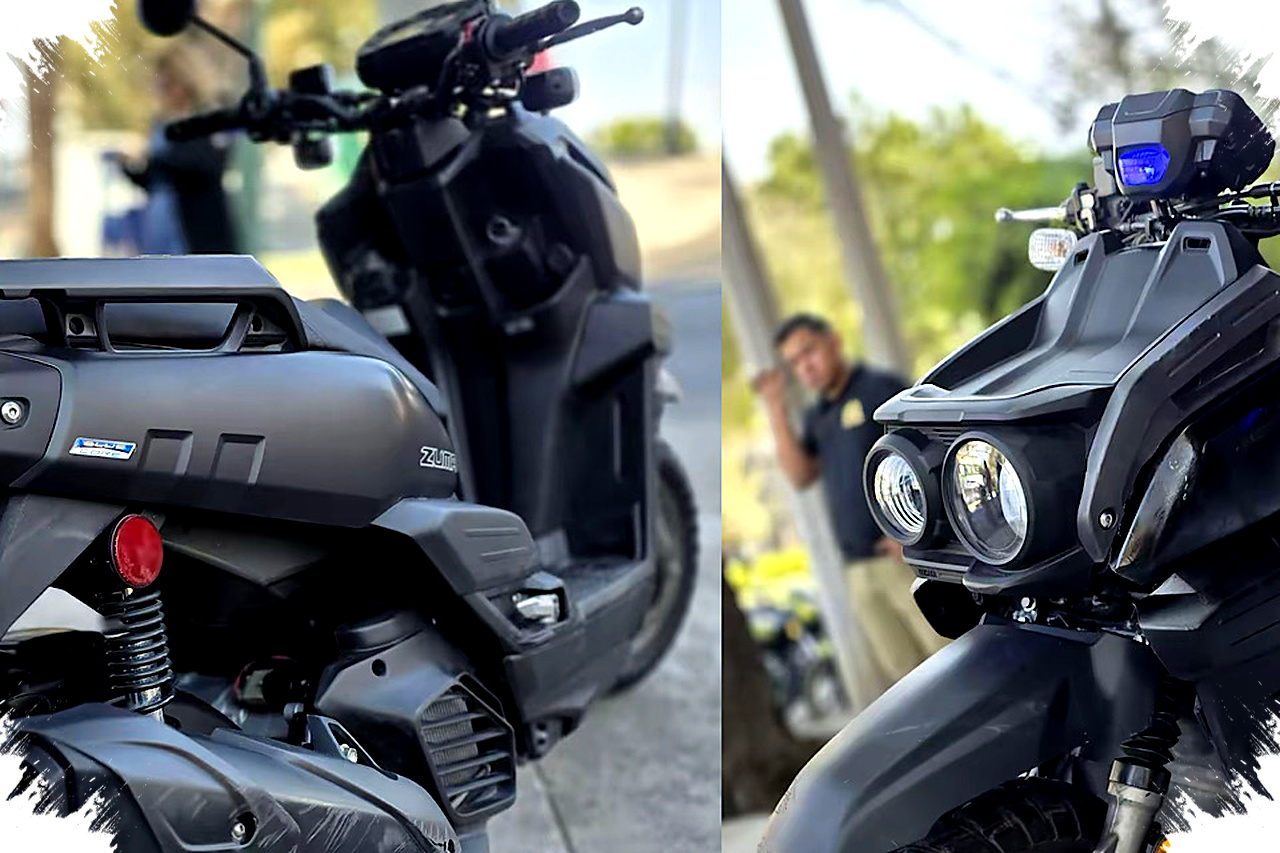
Yamaha Zuma has been attracting attention worldwide with its robust design and impressive performance. Enthusiasts agree the Zuma is far more appealing than Yamaha’s current X-Ride 125 model available in Indonesia. However, despite its strong appeal, the chances of the Yamaha Zuma officially entering the Indonesian market remain slim.
The Yamaha Zuma, also known as the Yamaha BWS 125 in Taiwan, features a bold adventure scooter style. Its muscular frame, compact body, and powerful engine make it stand out in the entry-level adventure scooter category. This bike is designed to handle various terrains, blending urban mobility with semi off-road capabilities, which clearly outshines the less adventurous styling of the X-Ride 125.
Market Challenges and Pricing Factors
One significant obstacle for the Zuma’s entry into Indonesia is its current exclusive status in Taiwan. As shared by automotive experts on the MOTO Z channel, exclusive models from Taiwan rarely get distributed widely overseas. Even when they do, the prices often increase significantly, making them less competitive in countries like Indonesia.
In Taiwan, the Yamaha BWS 125 is priced at around 86,800 Taiwan dollars, roughly $2,800 USD. When converted, this pricing is considerably higher than typical scooter prices in Indonesia. To provide context, the Yamaha NMAX, which sells for approximately IDR 32 million (around $2,000 USD) in Indonesia, is valued at a higher price point of IDR 56 million (about $3,500 USD) in Taiwan. This disparity underscores the potential steep price tag the Zuma could carry if imported into Indonesia.
Comparison with Existing Models
Yamaha Indonesia currently offers several adventure-styled scooters such as the BeAT Street, Nex Crossover, and X-Ride 125. However, these models fall short in delivering a truly rugged or authentic adventure scooter experience. The BeAT Street and Nex Crossover are essentially minor modifications of their standard models, primarily differing in handlebar design. This minimal change does little to enhance their adventure appeal.
Regarding the X-Ride 125, the first generation had promising rugged elements, but its second generation shifted away from its adventurous roots, resulting in a less convincing appeal among consumers.
Why the Zuma Stands Out
Unlike the existing models, the Yamaha Zuma/BWS 125 boasts a sturdy design that combines function with style. Its strong suspension and durable bodywork suggest it is better suited for mixed-use scenarios, including rougher roads and light off-road use. Enthusiasts praise its powerful engine, which delivers sufficient performance for city commuting as well as adventure riding on challenging paths.
The host from MOTO Z emphasized that the Zuma brings a fresh level of excitement to Indonesia’s entry-level adventure scooter market. Its aesthetic, build quality, and overall design flair make it a model that enthusiasts would prefer over the current lineup, especially X-Ride 125.
Potential Market Demand in Indonesia
Indonesia’s motorcycle market generally welcomes exciting new models, especially those that offer versatility for both city roads and off-road exploration. There is undeniably a demand for an adventure scooter that combines style, practicality, and affordability. Yamaha Zuma’s specs and design align well with these preferences.
However, Yamaha Indonesia seems reluctant to prioritize the Zuma or even the similar BeAT Street and Nex Crossover as strong contenders in the "adventure" category. This may be due to concerns about market segmentation, price sensitivity, and competition with existing product lines.
Key Points to Consider:
- Exclusivity and Import Barriers: The Yamaha Zuma remains exclusive to Taiwan, limiting its availability elsewhere.
- Price Discrepancy: High price tags in Taiwan suggest that importing the Zuma could make it relatively expensive in Indonesia.
- Design and Capability: Zuma outclasses X-Ride 125 with a true adventure-oriented design and more powerful performance.
- Current Yamaha Lineup: Existing “adventure-style” scooters in Indonesia are mostly cosmetic variants without genuine off-road features.
- Consumer Preferences: There is an untapped enthusiasm for a rugged adventure scooter that balances style and function.
- Manufacturer’s Strategy: Yamaha Indonesia currently seems cautious about replacing or upgrading the X-Ride 125 with the Zuma or similar models.
Looking Ahead
Yamaha Zuma’s potential success in Indonesia depends heavily on pricing strategy and whether Yamaha is willing to adapt the model to suit local market conditions. Consumers looking for an adventure scooter beyond the basic urban crossovers currently available may find the Zuma attractive but will be deterred by a significantly higher price.
While the Zuma 125 presents an enticing upgrade with its design, build, and capabilities, its future presence in Indonesia remains uncertain. Enthusiasts and buyers will need to watch Yamaha Indonesia’s approach in balancing exclusivity, cost, and market demand to see if this model finds a place on Indonesian roads.
As motorcycle trends evolve globally, adventure scooters like the Yamaha Zuma could define the next wave of versatile urban mobility. Yet, the challenge remains to make these exciting models accessible and competitively priced for emerging markets such as Indonesia.
-
-

-

-