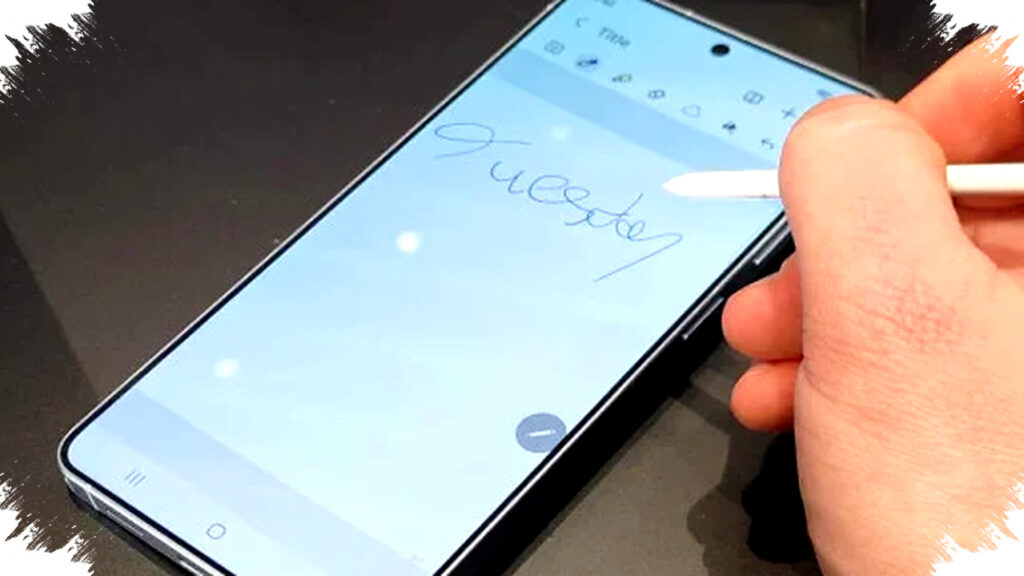
Samsung has decided to maintain its current stylus technology for the upcoming Galaxy S27 Ultra, postponing the introduction of a new system. Despite initial plans to upgrade, the company prioritizes reliability and the sleek design of its flagship device over adopting unproven innovations.
Reports indicate that Samsung evaluated a transition from the Electromagnetic Resonance (EMR) technology to a more advanced Active Electrostatic (AES) system for the S Pen. However, the newer approach did not meet Samsung’s strict criteria for launch readiness in 2027, prompting a conservative approach for the S27 Ultra stylus experience.
Current Stylus Technology and Limitations
Samsung’s existing S Pen uses EMR technology, which requires a digitizer layer beneath the display. This layer complexifies the screen structure and consumes valuable internal space. Although functionally reliable, the EMR system contributes to internal spatial constraints that limit further device thinning.
On the other hand, AES technology shifts the power source into the stylus itself, removing the need for a digitizer layer in the phone. This theoretically could allow more design flexibility for the device’s display assembly. However, the AES S Pen design demands a larger internal battery, increasing the stylus thickness.
The thicker stylus conflicted with Samsung’s ambition to produce a slimmer and lighter Galaxy S27 Ultra. Consequently, the company opted against implementing AES in favor of retaining the slimmer form factor customers expect. This decision underscores Samsung’s commitment to preserving a balance between innovation and usability.
Challenges in Developing a Hybrid Solution
Samsung pursued an ambitious hybrid stylus technology to merge the benefits of both EMR and AES systems, aiming to eliminate the digitizer layer without compromising stylus size. This hybrid would ideally retain the slim profile of the stylus while enhancing overall performance.
Despite the promising concept, technical hurdles have delayed its mass production. Internal testing reportedly revealed unresolved functionality issues, although specific challenges remain undisclosed. Samsung’s cautious approach indicates that the company avoids rushing products that cannot match its quality standards.
Strategic Focus on Reliability and User Experience
Reliability remains paramount for Samsung, particularly for the Ultra series, where the S Pen is integral to user productivity. Sudden or drastic changes risk undermining the trusted performance that fans of the series expect. By sticking to proven technology, Samsung aims to sustain high user satisfaction on the Galaxy S27 Ultra.
Meanwhile, continuous improvements quietly advance behind the scenes. Samsung is reportedly exploring enhancements in AI integration to complement the S Pen functionality rather than focusing solely on hardware upgrades. Such smart features could offer more adaptive and context-aware interactions in the future.
What This Means for Consumers and Future Models
For Galaxy S27 Ultra users, this means the S Pen experience will closely resemble previous models, ensuring stability and familiarity. Those anticipating major innovations in stylus technology on the S27 Ultra will need to adjust expectations. However, this stability also means Samsung remains dedicated to delivering a premium, dependable flagship device.
Looking ahead, Samsung’s development pipeline still holds promise for a significant stylus technology breakthrough, likely in succeeding generations. The company appears cautious but deliberate in its innovation strategy, choosing to perfect new systems before widespread release. This measured approach helps maintain Samsung’s leadership in the segment of smartphones with integrated stylus functionality.
Key Points About Samsung Galaxy S27 Ultra S Pen:
- Samsung retains the existing EMR stylus technology for Galaxy S27 Ultra.
- Planned switch to AES stylus technology was postponed due to size and reliability concerns.
- EMR technology requires a screen digitizer layer that limits device thinness.
- AES system demands a larger stylus battery, increasing pen thickness.
- Hybrid stylus system development faces unresolved technical problems.
- Samsung prioritizes reliability and a slim flagship design over rushed innovation.
- AI-driven features are likely future additions to supplement hardware.
- Major stylus innovations might appear in future Galaxy Ultra models, not the S27 Ultra.
Samsung’s decision highlights a clear strategic balance between evolving technology, user experience, and device aesthetics. By delaying new stylus hardware, the company safeguards the Galaxy S27 Ultra’s legacy as a reliable product while exploring intelligent software features. Users can expect continuity and refinement rather than revolutionary changes in stylus use for this flagship line.