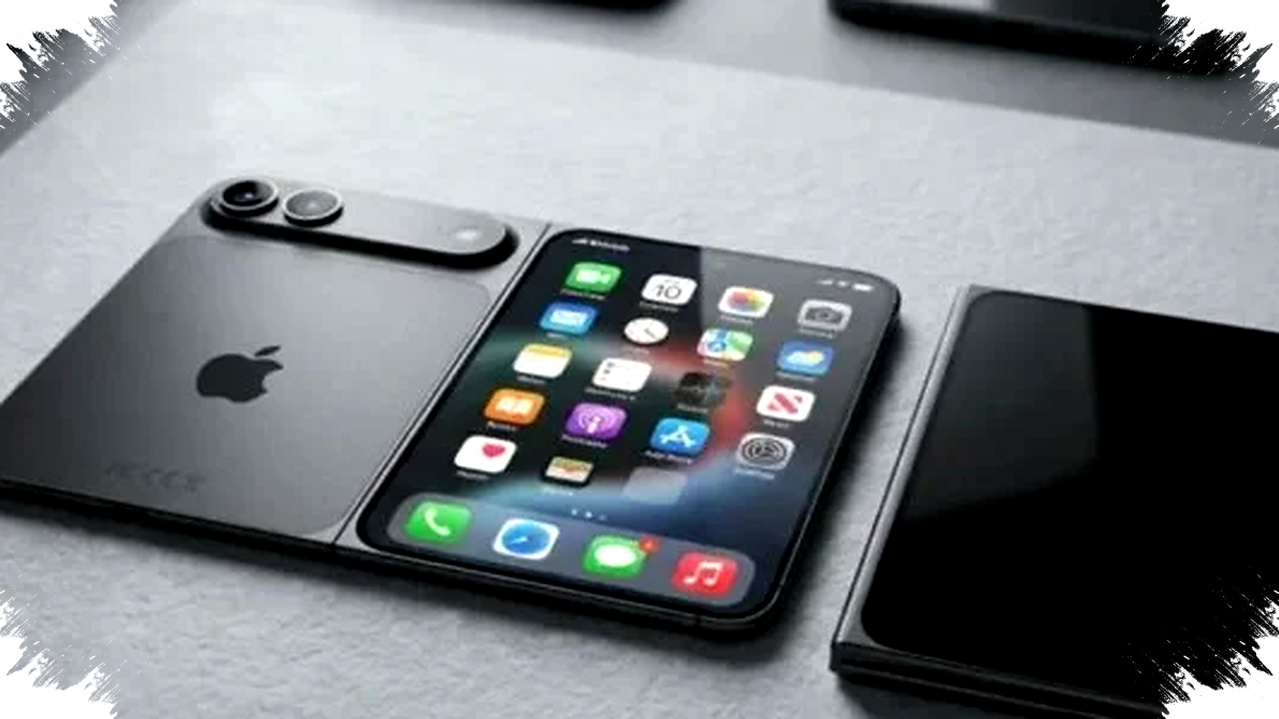
Predictions about Apple’s first foldable phone, commonly dubbed the iPhone Fold, have recently gained renewed attention. Barclays analyst Tim Long now expects the device to launch in December 2026, signaling a delay from the previously anticipated release in September the same year.
This revised timeline comes from Long’s latest research note reported by CNET, which highlights supply chain challenges as the primary cause for the postponement. Apple appears to require additional time to finalize production readiness before making the device commercially available.
Supply Chain Issues Behind the Delay


Tim Long points out that disruptions in Apple’s supply network may slow down critical manufacturing stages. These challenges could involve securing foldable display components or ensuring durability standards, which are key to the foldable phone’s success. According to Long’s analysis, such logistical hurdles justify the shift from a September to a December launch.
While Tim Long is the sole prominent analyst openly forecasting this delay, most others still anticipate Apple introducing the iPhone Fold simultaneously with the iPhone 18 series in September 2026. This divergence reflects contrasting views on how Apple will handle production complexities and market timing.
Apple itself maintains silence on the rumor, sticking to its tradition of secrecy around unreleased devices. Thus, until Apple’s official announcement, all timelines remain speculative.
Market Impact of iPhone Fold’s Potential Release
If the December 2026 launch prediction holds true, Apple’s entry into the foldable segment could significantly disrupt the smartphone market. Apple’s strong brand reputation and ecosystem may quickly attract consumers despite being a latecomer to foldable devices.
Research firm Counterpoint suggests that Apple could capture up to 28% of the foldable phone market shortly after launch. This optimistic forecast underlines Apple’s ability to influence trends and shape consumer preferences on a global scale.
Currently, the foldable phone market includes several key competitors:
- Motorola Razr Fold
- Google Pixel 10 Pro Fold
- OnePlus Open
- Samsung Galaxy Z Fold7
- Huawei Mate X7
Apple’s iPhone Fold will face stiff competition from these established models, each with multiple generations of foldable technology refinement.
Skepticism Regarding Prediction Accuracy
Despite the excitement, caution is advised in interpreting Tim Long’s forecast. He has a track record of occasionally missing Apple launch dates, including for the iPhone X and iPhone 16. This history introduces doubts and encourages some industry watchers to wait for more signals from Apple before drawing conclusions.
Additional Speculations on Apple’s Future iPhone Lineup
Beyond the foldable phone, Tim Long envisions Apple bringing back the iPhone Plus variant as part of the iPhone 18 series, expected in March 2027. The Plus model, previously discontinued, could replace the iPhone Air variant introduced with the iPhone 17 series as a lighter and thinner option for consumers.
Other analysts disagree and project the iPhone 18 lineup might expand differently, possibly featuring the iPhone 18, an iPhone 18e, and a second-generation iPhone Air instead.
Apple’s Strategic Uncertainties
Apple’s path forward in foldable technology and phone variants remains uncertain. The company’s potential to dominate the foldable category is promising but must be balanced against technical and production challenges. Supply chain stability and manufacturing capability will be crucial in shaping the success or delay of these new devices.
Market interest in the iPhone Fold remains high despite the uncertainty and speculation. Consumer anticipation suggests Apple’s potential move into foldable technology could redefine smartphone trends and intensify industry competition when the time comes.