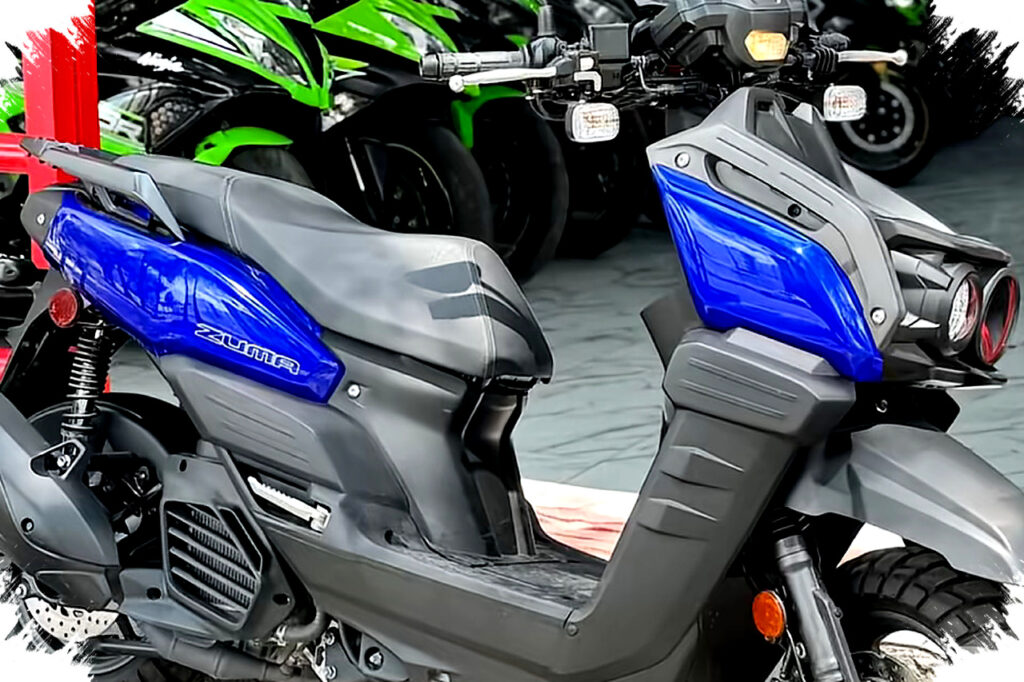
Yamaha Zuma, also known as BWS 125, is priced quite high in Taiwan, around 86,800 New Taiwan Dollars, which is approximately $2,800 USD. This pricing may raise eyebrows for those familiar with the Indonesian market, where comparable scooters like the Yamaha Lexi are sold at significantly lower prices, around $2,000 USD.
The higher price in Taiwan is not unusual. The cost of motorcycles in Taiwan generally surpasses that in Indonesia. For instance, the Yamaha NMAX, which costs about $2,200 USD in Indonesia, is priced approximately $3,800 USD in Taiwan. This discrepancy reflects various factors influencing vehicle costs in different markets.
One reason for the premium pricing includes Taiwan’s import policies and market exclusivity. Products designed specifically for Taiwan, such as the Yamaha Zuma, seldom reach other countries, limiting their global availability. This exclusivity raises prices due to smaller production volumes and specialized features suited to local demands.
Design and Features Comparison
The Yamaha Zuma in Taiwan positions itself as an adventurous scooter with a robust design. It incorporates a larger and more muscular frame than comparable Indonesian models like the Yamaha X-Ride 125. The bike features a distinctive front section with a wide panel, sometimes described as ‘absurd’ but functional for mounting racks to carry cargo.
Its lighting setup is unconventional, with two rounded lamps: one LED as the main light and a halogen projector lamp for off-road use. Additional fog lamps on each side enhance visibility in challenging conditions. The body panels are crafted from a tough material that resists mud, fading, and chipping, suitable for rugged use.
Suspension components are another highlight. The front forks have extended travel with rubber protection, while the rear suspension uses a twin-shock system, which is sturdier compared to the single shock absorbers found on many scooters in Indonesia. The luggage compartment under the seat can fit a helmet, complemented by a storage space beneath the handlebars with a power socket charger for electronics.
Fuel refilling is made convenient with the gas cap located under the handlebar, reducing the need to dismount or open the seat. The tires are mounted on thick 12-inch rims, with front tire dimensions at 120/70 and rear tires at 130/70, enhancing stability for city and mild off-road adventures.
Engine Performance and Efficiency
The Zuma’s engine is a liquid-cooled 125cc single-cylinder unit featuring fuel injection and Yamaha’s Variable Valve Actuation (VVA) technology. It produces 11.8 horsepower at 8,000 RPM and 11 Nm of torque at 6,000 RPM, slightly outperforming the Yamaha Lexi 125, which has 11.7 horsepower and 11.3 Nm torque at slightly different RPMs.
Fuel efficiency is notable, with the Zuma reportedly achieving around 47 kilometers per liter, approximately 110 miles per gallon. This efficiency supports its position as a practical adventure scooter for urban and semi-off-road environments.
Market Availability and Prospects
The possibility of Yamaha Zuma entering the Indonesian market is slim due to its exclusivity and pricing model in Taiwan. Taiwan-exclusive models like Suzuki Saluto face similar challenges, often resulting in very high import prices if brought into Indonesia.
Aside from pricing hurdles, regulatory requirements and consumer preferences also factor into the limited availability of such models overseas. Instead, the Yamaha Zuma’s design and features might inspire future Indonesian models, potentially influencing updates to current scooters like the Yamaha X-Ride.
Summary of Yamaha Zuma Attributes
- Price in Taiwan: Approximately $2,800 USD, notably higher than similar Indonesian scooters.
- Design: Muscular frame, wide front panel for cargo racks, dual headlamp setup with LED and halogen.
- Durability: Robust, resistant body panels suitable for rough terrain.
- Suspension: Extended travel front forks with rubber gaiters; twin rear shocks.
- Storage: Under-seat helmet space; handlebar compartment with charging socket.
- Wheel/Tires: Thick 12-inch rims with wide tires for stability.
- Engine: 125cc liquid-cooled, fuel-injected with VVA, 11.8 HP and 11 Nm torque.
- Fuel Efficiency: 47 km/L (110 mpg).
- Market Status: Exclusive to Taiwan, unlikely to enter Indonesian mainstream market.
This analysis underscores why Yamaha Zuma commands a higher price in Taiwan compared to Indonesia’s Lexi. It reflects market-specific factors such as local exclusivity, import conditions, and advanced features aimed at scooter riders preferring both urban commuting and adventure riding.
While Indonesian buyers may find the pricing steep, the Yamaha Zuma delivers added value in build quality, design, and performance suited for its environment. Yamaha’s strategy appears focused on maintaining distinct product positioning across regions, ensuring that each market receives models aligned with local preferences and regulations.