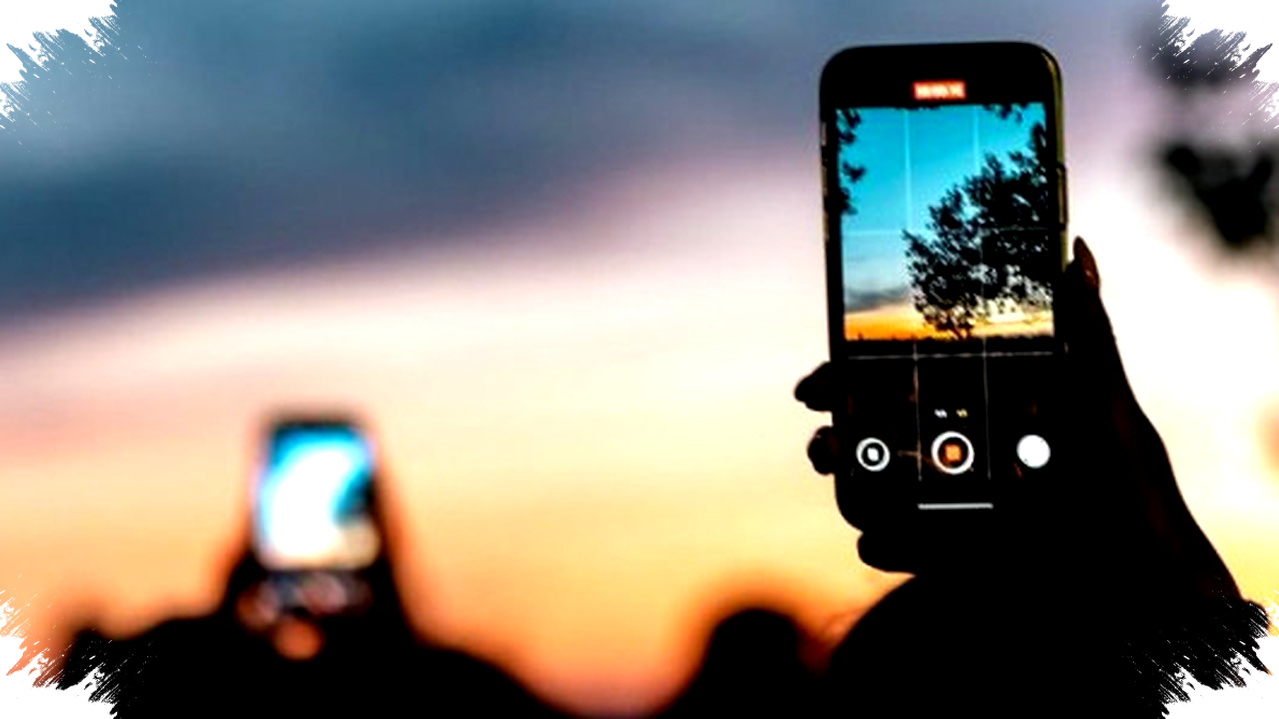
Night photography on smartphones has become a crucial feature for users in 2026, especially for content creators and everyday users who want sharp photos without relying on flash. This shift highlights advances in sensor technology, aperture design, and artificial intelligence (AI) that illuminate dark scenes without noise.
The smartphone market now focuses on delivering bright and detailed images in low-light conditions. Users no longer prioritize megapixels alone; instead, they look for devices equipped with large sensors, wide apertures, and powerful AI-based computational photography.
Top 7 Night Camera Smartphones in 2026
-
Huawei Pura 80 Ultra
This model leads the pack with a camera score of 175 according to independent DxOMark tests. It boasts a large 1-inch sensor and variable aperture, enabling it to capture more light and reduce noise in dark environments. -
vivo X300 Ultra
Vivo’s flagship features sophisticated AI algorithms that enhance clarity and preserve details in night shots. Its sensor is optimized for low-light, complemented by HDR capabilities for balanced exposure. -
iPhone 17 Pro
Apple’s latest flagship continues to excel in video stabilization and color consistency in dim conditions. The integration of software and hardware ensures reliable night photography results across various scenarios. -
Google Pixel 10 Pro
Known for its outstanding AI-driven image processing, Google Pixel 10 Pro enhances shadows and highlights meticulously. Its computational photography excels in producing natural colors and sharp details. -
OPPO Find X8 Ultra
Xiaomi’s competitor brings a combination of a large sensor and advanced HDR technology. AI-powered noise reduction allows clear and crisp photos during nighttime with minimal grain. -
Xiaomi 17 Ultra
This device integrates cutting-edge sensor technology and HDR, focusing on detail reproduction and noise suppression. Its camera setup supports creative photography for users seeking excellent nighttime results. - Samsung Galaxy S26 Ultra
Samsung improves its low-light performance by offering a wider aperture and enhanced noise reduction techniques. While still facing challenges in extremely dark scenes, it remains highly competitive in normal night shooting.
Technological Advances Driving Night Photography
The improvements in smartphone night cameras revolve around larger sensors, wider apertures, and enhanced AI applications. Large sensors, such as those reaching sizes close to one inch, capture more light, which reduces dependence on flash and artificial illumination.
AI plays a dominant role in computational photography. It optimizes the exposure, reduces noise, and sharpens photos after they are taken. Brands like Google and Apple focus on integrating AI smoothly with their hardware to deliver consistent and appealing results.
Meanwhile, Huawei and Xiaomi emphasize sensor quality and hardware improvements to maximize image data. This blend of hardware and software innovation has turned night photography into a competitive arena among manufacturers.
Market Impact and User Benefits
For end-users, better night cameras mean clearer, brighter photos without the intrusion of flash, which often disturbs natural scene lighting. This feature is especially useful for travelers who want to capture cityscapes or night landscapes, as well as families documenting nighttime events.
Content creators benefit significantly, as they can produce high-quality photos and videos suitable for platforms like TikTok and Instagram without investing in additional equipment. Small and medium-sized enterprises (SMEs) also rely on these smartphones to produce promotional materials with low costs.
The advance in nighttime smartphone photography is no longer a luxury but a necessity in the digital age of 2026. It supports social interaction, professional content creation, and business marketing through accessible technology.
These seven smartphones showcase how far mobile cameras have progressed in their ability to brighten dark scenes naturally. Their combination of sensor innovation, AI enhancement, and robust software provides users with reliable tools for night photography.
As brands push the boundaries between sensor hardware and AI software, consumers gain from more options catering to various budgets and needs. The competition in this niche encourages continued innovation, making night photography easier and more enjoyable for everyone.
Users interested in purchasing a phone with excellent night camera capabilities in 2026 should consider these models based on their specific preferences, such as image quality, video features, and overall cost, which generally ranges between $700 and $1,200 for flagship devices.
This ongoing evolution in camera technology highlights the smartphone’s role not just as a communication tool but as a creative device that empowers users in low-light environments without the downsides of flash photography.
-
-
-

-