Apple nearly acquired Halide, a popular third-party camera app, to enhance the iPhone’s photography capabilities. The talks unfolded during summer 2025 but ultimately fell through by September that year. This move was seen as a strategic attempt by Apple to strengthen its default camera software with advanced features from Halide.
Lux Optics, the company behind Halide and other photography apps like Kino, Spectre, and Orion, was at the center of this potential acquisition. Apple aimed to integrate Halide’s technology to provide its iOS camera app with refined tools without users needing to rely on third-party apps. The failure of the negotiations has been linked to Lux Optics’ internal business strategy rather than any technical or financial shortcomings.
The Importance of Software Complementing Hardware

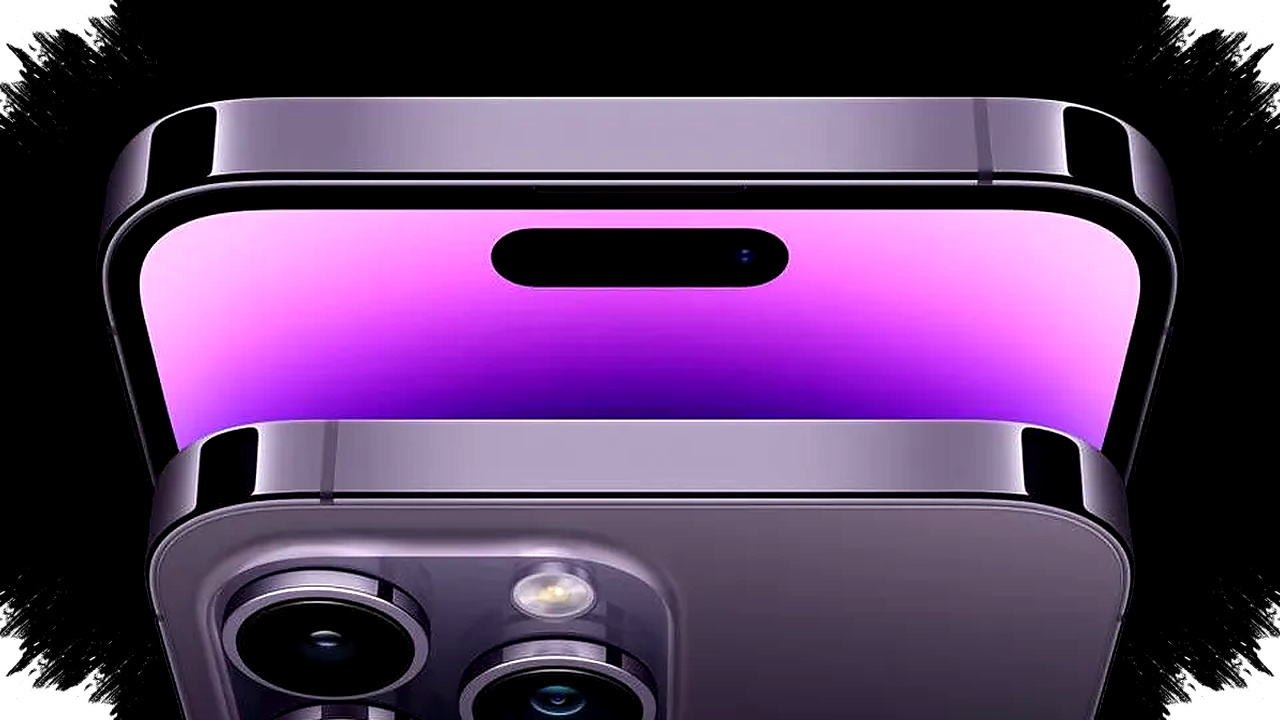
Rumors in 2025 suggested that Apple planned to introduce variable aperture lenses in the upcoming iPhone 18 Pro models. Such a feature allows users to adjust the lens aperture similarly to professional cameras, improving photographic flexibility. However, to fully leverage this hardware upgrade, Apple needed solid software support.
Halide’s reputation lies in its advanced manual controls, enabling users to adjust settings like ISO, shutter speed, and focus precision. These features are more comprehensive than Apple’s built-in camera app, which still lacks certain manual controls favored by photography enthusiasts. Integrating Halide’s capabilities would have allowed iPhone users to enjoy a more professional photography experience natively within iOS.
Lux Optics Founders Choose Independence
Despite Apple’s strong interest, Lux Optics’ two founders, Ben Sandofsky and Sebastiaan de With, decided against selling the company. They believed further development of Halide could increase the company’s valuation and market presence in the future. This decision showed confidence in continuing growth without relying on a buyout from a tech giant.
However, this internal decision led to unexpected conflict within Lux Optics. According to legal filings, Sandofsky launched an investigation into de With over alleged misuse of company funds, escalating tensions. This conflict culminated in de With’s dismissal from the company, surprising many who saw him as key to Halide’s success.
Transition to Apple and Its Implications
Interestingly, after his departure from Lux Optics, Sebastiaan de With joined Apple’s design team. This move brought a new dimension to the relationship between Apple and Lux Optics, blending collaboration and competition in the smartphone camera space.
Meanwhile, Halide remains available as a third-party app for iPhones and iPads. Users of the app can still enjoy its advanced photographic features externally of Apple’s default camera software. Apple, on the other hand, continues to invest heavily in camera software improvements as a priority.
Key Factors and Timeline of Events
- Summer 2025: Apple begins acquisition talks with Lux Optics.
- September 2025: Negotiations fail; deal is not finalized.
- Post-negotiation: Internal conflict arises between Halide’s founders.
- Investigation into misuse of funds leads to co-founder’s dismissal.
- Former Halide co-founder joins Apple’s design team.
- Halide remains an independent app; Apple enhances its camera software separately.
Strategic Lessons and Future Outlook
The near acquisition highlights how Apple values not only hardware innovation but also software excellence in maintaining its competitive edge. Since camera performance is a major selling point for iPhones, the synergy between hardware and software is critical. By exploring partnerships or acquisitions like that of Halide, Apple shows adaptability in meeting evolving consumer demands.
Though the deal collapsed, it suggests Apple’s ongoing commitment to innovation in computational photography. The lessons learned from this near acquisition may shape Apple’s approach toward future partnerships or internal development efforts. As smartphone camera competition intensifies, Apple’s focus on integrating advanced controls natively within iOS will remain a significant trend.
Apple’s trajectory in camera technology, from hardware upgrades such as variable apertures to software improvements, indicates a dynamic market environment. The interplay between independent developers like Lux Optics and tech giants like Apple ensures continuous innovation. This environment encourages users to expect richer photography experiences on their devices in coming years.
In summary, Apple’s failed attempt to buy Halide offers important insights into corporate strategy, product development, and the complex relationships that drive technological progress. Users can look forward to more sophisticated camera features that combine cutting-edge hardware with powerful software, even if they come from Apple’s in-house teams or inspired third-party developers.