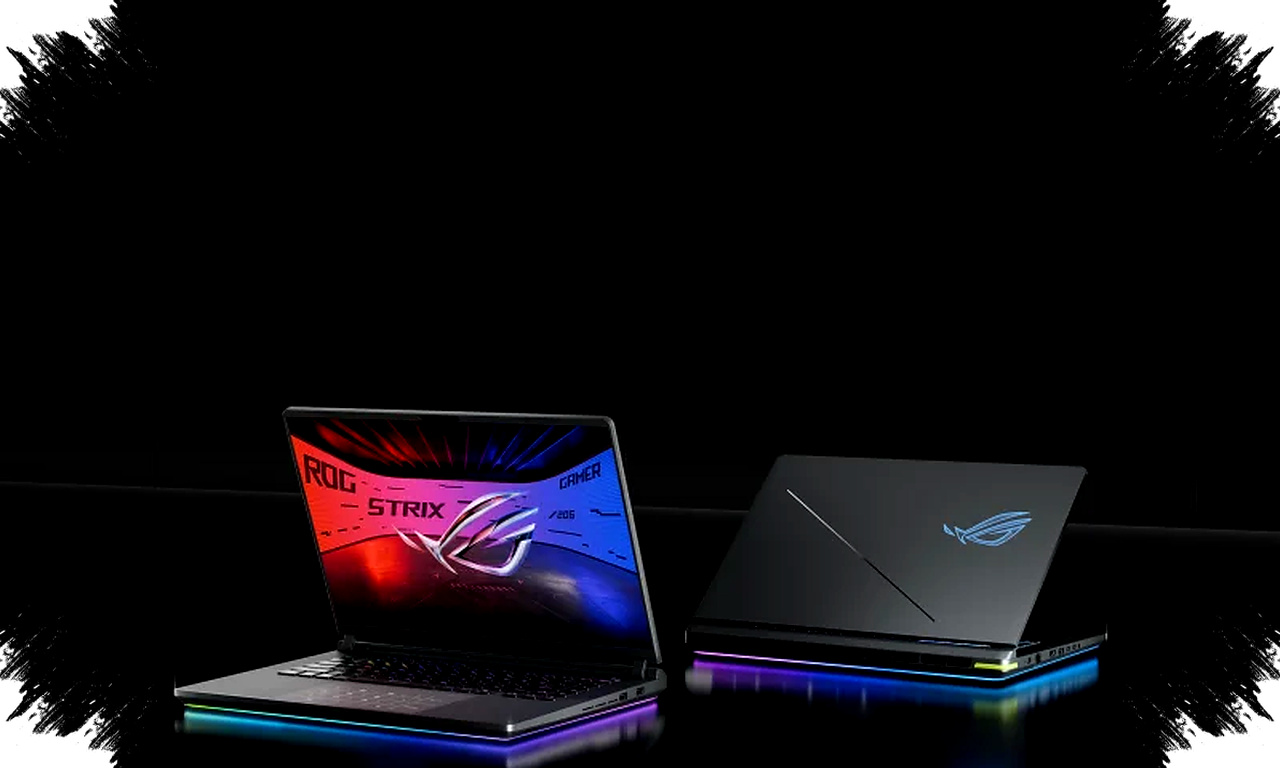
Asus has officially expanded its premium gaming lineup with the new ROG Strix G16 and ROG Strix G18 2026 models. The two laptops arrive with a clear focus on high-end gaming performance, faster display technology, and a more practical chassis design for users who want easier upgrades.
The new generation does not look like a simple refresh. Asus pairs Intel Core Ultra 9 290HX Plus hardware with Nvidia GeForce RTX 5080 laptop graphics, while also introducing a tool-less body that lets users access internal components without a screwdriver.
A stronger push for high-end gaming performance


At the core of both laptops is the Intel Core Ultra 9 290HX Plus processor. Asus combines it with up to an Nvidia GeForce RTX 5080 laptop GPU, a setup aimed at demanding games, creative workloads, and heavy multitasking.
This combination should appeal to gamers who want high frame rates in modern titles. It also targets users who edit video, render 3D content, or stream while gaming, since those tasks benefit from both CPU and GPU strength.
Asus also adds support for DLSS 4 and Multi-Frame Generation. These technologies can raise frame rates in supported games, which is especially important at higher resolutions and when chasing smoother competitive play.
Display upgrades built for fast motion
The ROG Strix G16 comes with a 16-inch 2.5K panel at 2,560 x 1,600 pixels. Asus says the display supports a refresh rate of up to 300Hz, which is designed to make fast movement look more fluid.
The panel also features a 3 ms response time, 100% DCI-P3 color coverage, Pantone validation, Dolby Vision, and G-SYNC. Together, these specifications point to a screen that is not only fast, but also accurate for content creation and visually demanding games.
The ROG Strix G18 uses the same 2.5K resolution on a larger 18-inch display. Asus says it also carries a 3 ms response time, but it goes further with peak brightness reaching 1,600 nits, a figure that should help with HDR content and visibility in brighter environments.
Both displays include an anti-reflection coating. That detail may sound small, but it matters for players who use their laptop in rooms with strong lighting or near windows.
Tool-less design changes how users upgrade
One of the most noticeable changes in the 2026 models is the new tool-less chassis. Asus has designed the underside so users can open the laptop without needing a screwdriver or special equipment.
The system uses a spring-based locking mechanism, which should make access faster and less intimidating for owners who want to upgrade memory or storage. For many gaming laptop buyers, this is a practical improvement that can extend the useful life of the device.
Asus also adds a Q-Latch system for the SSD slot. That should make storage installation and replacement quicker, and it fits the broader goal of turning the laptop into a more service-friendly machine.
Cooling gets a serious upgrade
High-performance gaming hardware usually needs strong thermal management, and Asus addresses that with a vapor chamber, tri-fan cooling, and a layered heatsink design. The company says this system is built to keep temperatures under control during long gaming sessions.
Stable cooling matters because performance can drop when a laptop gets too hot. For users running demanding titles or productivity workloads for extended periods, a stronger cooling system can help maintain more consistent output.
Key specs and features at a glance
Both models share a long list of premium hardware and features. The main differences are screen size, chassis size, and weight.
- Up to Intel Core Ultra 9 290HX Plus processor.
- Up to Nvidia GeForce RTX 5080 laptop GPU.
- Up to 64GB DDR5 RAM at 6400 MT/s.
- Up to 2TB PCIe 4.0 SSD storage.
- Dual Thunderbolt 5 ports with DisplayPort 2.1 and power delivery.
- USB 3.2 Gen 2 Type-A, HDMI 2.1, 2.5G Ethernet, and 3.5mm audio jack.
- WiFi 7 support.
- Dolby Atmos and Hi-Res Audio.
- AI noise cancellation.
- Windows 11 Pro.
- Per-key RGB keyboard with Aura Sync.
- Dedicated Copilot key.
These specifications place the laptops firmly in the premium gaming segment. They also make the machines relevant for creators and professionals who need fast storage, modern ports, and strong wireless connectivity.
Battery, weight, and portability
Asus equips both laptops with a 90Wh battery. The company also includes a 380W power adapter, which reflects the high-power hardware inside the machines.
The ROG Strix G16 weighs around 2.7 kg, while the larger ROG Strix G18 reaches 3.5 kg. Those numbers show that portability is not the top priority here, but that is common for gaming laptops built around top-tier graphics and cooling.
The two models are available in Eclipse Grey and Volt Green. Both color choices keep the familiar ROG gaming identity, with a look that still leans toward aggressive styling.
Why these laptops matter in the 2026 gaming market
The ROG Strix G16 and G18 2026 arrive at a time when gaming laptops are under pressure to balance raw performance with better usability. Asus leans into both sides by pairing advanced internals with easier access to RAM and SSD slots.
That approach could matter for buyers who do not want a sealed device. It also reflects the growing expectation that a premium laptop should last longer and adapt to future storage or memory needs.
The display changes are equally important, especially the 300Hz panel on the G16 and the 1,600-nit brightness on the G18. Those features suggest Asus is targeting not just standard gaming use, but also fast esports play and high dynamic range content.
For now, Asus has introduced the ROG Strix G16 and G18 2026 without confirming global pricing or release timing. Based on the hardware, display class, and design changes, both models are positioned for enthusiasts, competitive gamers, and creators who want one laptop that can handle demanding workloads without sacrificing upgradability.