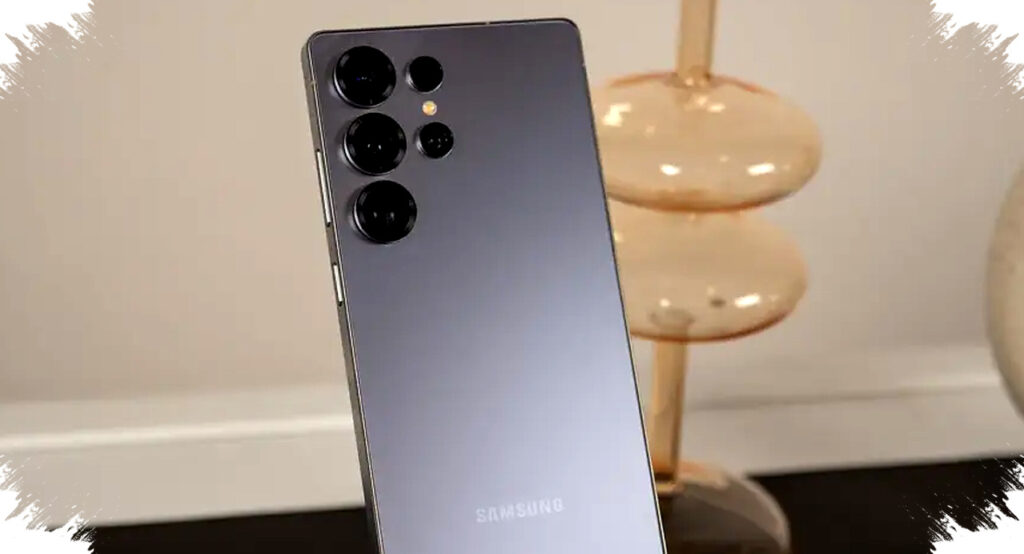
Samsung is preparing a privacy-focused upgrade for the Galaxy S26 Ultra that could address one of the most common smartphone concerns in public spaces: screen snooping. The new Privacy Display feature is designed to reduce side-angle visibility, so only the person directly in front of the phone can see the screen clearly.
According to Selular.ID, the feature is part of Samsung’s broader effort to strengthen privacy on its premium flagship line. It comes at a time when more users handle banking, work messages, and personal data on their phones while commuting, sitting in cafés, or working in shared spaces.
What Privacy Display does
Privacy Display works by limiting how visible the screen is from the side. When the feature is turned on, the display becomes harder to read from oblique angles, while remaining clear for the main user.
This kind of protection is especially relevant for people who often check sensitive information in crowded environments. It gives users a way to reduce visual exposure without placing a separate film or privacy protector on the screen.
Samsung reportedly integrates the feature through a mix of software controls and display-tuning behavior. That approach allows the phone to adjust brightness and contrast in a way that narrows viewing angles, while aiming to keep the experience comfortable for the person holding the device.
How it fits into Samsung’s security strategy
Samsung has long positioned its Galaxy S series as more than just performance phones. The company already offers biometric authentication, encrypted storage, and other security tools, and Privacy Display adds a physical-layer style of protection for the screen itself.
That matters because privacy risks do not only come from hacking or data theft. In daily life, a simple glance from someone nearby can expose private chats, payment screens, emails, or business documents.
Privacy Display therefore expands the meaning of mobile security. It does not replace software protection, but it adds another layer that works in real-world situations where digital safeguards alone are not enough.
Why this feature is timely
The launch direction makes sense as smartphone use becomes more mobile and more sensitive. A growing number of users now access financial apps, corporate accounts, and personal records from their phones throughout the day.
Public transport, airports, coworking spaces, and open offices all create situations where a bright screen can be seen by people nearby. A privacy-focused display feature gives users more control over those moments, especially when they need to handle confidential information quickly.
Industry-wide, privacy has become a stronger selling point in premium phones. People increasingly want devices that protect not just their data, but also their screen visibility in everyday life.
How users may use it
Samsung is expected to make the feature optional, so users can turn it on or off depending on the situation. That flexibility is important because privacy filters can be useful in public, but unnecessary at home or when sharing content with others.
Here is the practical use case in simple terms:
- Open display or security settings.
- Enable Privacy Display when you are in public or handling sensitive data.
- Disable it when you want normal wide-angle viewing.
This on-demand model makes the feature more practical than a fixed hardware limitation. Users can keep full-display comfort most of the time, then activate privacy protection only when needed.
What it means for the Galaxy S26 Ultra
The Galaxy S26 Ultra is shaping up as a premium device that combines camera upgrades, performance improvements, connectivity features, and now stronger privacy tools. Samsung appears to be building a flagship that focuses not only on speed and image quality, but also on how safely people can use the phone in public.
That positioning is important in a market where top-tier phones compete on both innovation and trust. A privacy feature may not grab attention like a new chip or camera sensor, but it can become a meaningful differentiator for professionals and power users.
The S26 Ultra is also expected to continue Samsung’s usual emphasis on high-end display quality, including sharp resolution, fast refresh rates, and power efficiency. Privacy Display shows that Samsung wants to preserve that premium visual experience while adding a layer that helps limit unwanted viewing from the side.
Why it matters for everyday users
The most obvious benefit is protection during routine tasks. Someone reading work emails on a train or checking a banking app in a café may not want nearby strangers to see the information on the screen.
It also helps reduce accidental exposure in office settings. Even when people are not trying to snoop, a quick glance from a colleague or person standing nearby can reveal more than intended.
For users who move between home, work, and public places, a privacy-focused screen can save time and reduce stress. It gives them a built-in option instead of depending entirely on third-party accessories.
Samsung’s broader direction in mobile privacy
Samsung’s move reflects a larger shift in the smartphone market. Hardware makers are no longer focused only on performance benchmarks and camera numbers; they are also competing on digital safety and user control.
That includes encryption, secure folders, biometric login, and now screen-level privacy features. Together, these tools show how flagship phones are becoming personal security devices as much as communication tools.
The company’s approach also suggests that display innovation still has room to grow. Even as smartphones already offer high brightness, adaptive refresh rates, and improved efficiency, manufacturers are now looking at how screens behave in specific environments, not just how sharp they look.
What to watch next
The key questions now are how strong the viewing-angle restriction will be, whether it affects brightness in normal use, and how easy it will be to toggle on the Galaxy S26 Ultra. Those details will determine whether Privacy Display feels like a useful daily tool or a niche feature for limited situations.
If Samsung executes it well, the feature could become one of the more practical privacy additions in a flagship smartphone, especially for users who value discretion as much as performance. In a market where premium devices increasingly promise both power and protection, Privacy Display gives the Galaxy S26 Ultra another reason to stand out in everyday use.