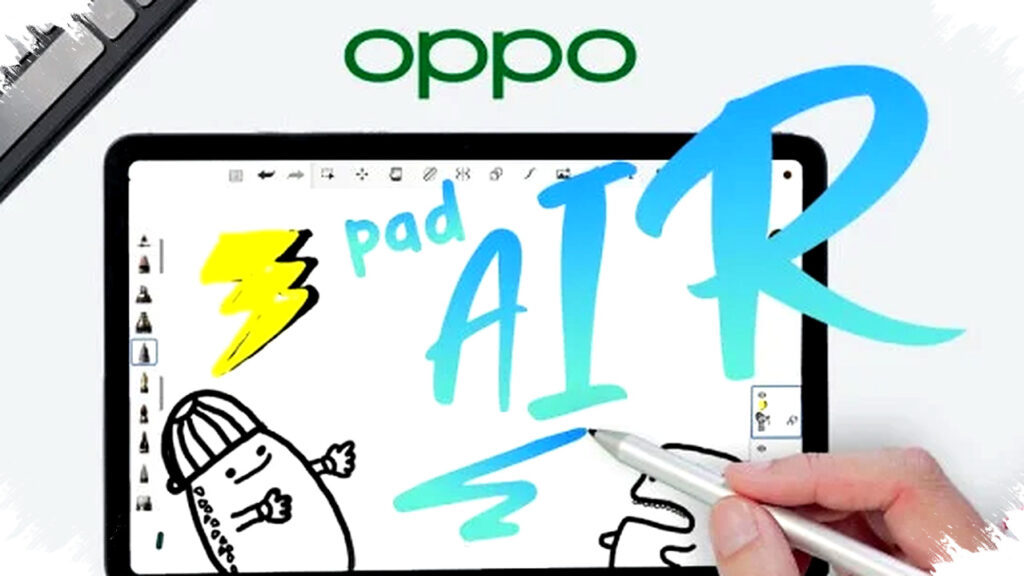
Oppo Pad Air is drawing attention in 2026 because it looks far more premium than its price suggests. With a market range of about $185 to $215, the tablet combines a slim 6.94 mm body, an all-metal build, and a 440-gram weight that makes many pricier tablets feel less refined.
For buyers who want a large-screen device for reading, streaming, light editing, and everyday work, the appeal is obvious. Oppo positions the Pad Air as a practical mid-range tablet, but its design and feature set make it look closer to a much more expensive product.
Slim metal design that stands out
Oppo Pad Air uses an all-metal body with dimensions of 258.8 x 189.4 x 6.94 mm. That 6.94 mm thickness is one of its strongest selling points, because it gives the tablet a sleek profile that is easy to notice in hand.
At 440 grams, the device is also light enough for long reading sessions and extended video viewing. The finish comes in misty grey and ocean blue, and the narrow bezels help the front look larger, with an estimated screen-to-body ratio of 85%.
A large 11.61-inch display for daily use
The tablet features an 11.61-inch IPS LCD panel with a 2.4K resolution of 2000 x 1200 pixels. Oppo uses a 7:5 aspect ratio, which is practical for reading documents, browsing articles, and multitasking between apps.
The panel delivers around 203 ppi and a 60 Hz refresh rate. It is not built for high-end gaming visuals, but it remains smooth enough for normal use, while TÜV Rheinland certification for low blue light and flicker-free viewing adds value for users who spend long hours in front of the screen.
Why the screen matters for real users
The display is one of the main reasons the Pad Air feels more expensive than it is. A tall, wide screen can improve productivity because it gives more room for side-by-side app use, while the 2.4K resolution keeps text and images sharp.
This matters for students, office workers, and casual creators who need a tablet for note-taking, research, media consumption, and light content editing. In a market where many cheaper tablets cut corners on screen quality, Oppo keeps the panel respectable for the segment.
Performance fits everyday multitasking
Under the hood, the tablet runs on Qualcomm’s Snapdragon 680 chipset. The octa-core processor pairs four Kryo 265 Gold cores at 2.4 GHz with four Kryo 265 Silver cores at 1.9 GHz, while the Adreno 610 GPU handles graphics tasks.
This hardware is not aimed at heavy gaming or intensive video production. It does, however, work well for multitasking, casual gaming, browser-heavy work, and light photo editing in apps such as Lightroom.
Useful memory options and expandable storage
Oppo Pad Air comes with 4 GB of RAM, plus virtual RAM support to help with app switching. Storage options include 64 GB and 128 GB, and users can expand capacity via microSD.
That flexibility matters in a tablet at this price. It gives buyers room for documents, downloaded videos, apps, and media files without forcing them to pay for a higher storage tier immediately.
- 4 GB RAM with virtual RAM support
- 64 GB or 128 GB internal storage
- microSD expansion for additional files
- Suitable for basic productivity and media use
Cameras are basic but practical
The rear camera uses an 8 MP sensor with f/2.0 aperture and autofocus, while the front camera uses a 5 MP sensor with f/2.2 aperture. Those numbers are modest, but they are enough for video calls, online meetings, document scans, and casual product shots.
This is not a tablet built for photography enthusiasts. Still, the camera setup covers the most common tablet tasks well, especially for users who need a device for communication and light documentation.
Four speakers improve the entertainment experience
Audio is one of the stronger aspects of the Pad Air. Oppo equips the tablet with four speakers, Dolby Atmos support, and Hi-Res Audio certification, which helps create a fuller soundstage for movies, live streams, and music.
For a mid-range tablet, that combination is important because sound quality often shapes the user experience more than raw specs. The result is a device that feels more premium when watching content or using it for casual entertainment.
Battery life is designed for a full day
The tablet carries a 7100 mAh battery, and Oppo says it can last up to 11 hours of video playback. Charging happens through 18W SUPERVOOC over USB-C, with a full charge taking around two hours.
That level of endurance should be enough for a full day of mixed use, including browsing, reading, streaming, and light work. Users who value portability will likely appreciate that the battery matches the slim design without making the device too heavy.
Connectivity and software keep it functional
Oppo Pad Air supports WiFi 6 dual-band and Bluetooth 5.2 with aptX HD for better wireless audio quality. The tablet does not include NFC, GPS, or IR, which limits some utility features, but the core connectivity options remain solid for the category.
It runs ColorOS 13.1 based on Android 12, with tablet-focused optimizations. Features such as multi-screen collaboration and split screen help users work across devices and open two apps at once, which is useful for note-taking, messaging, and research.
Key specifications at a glance
| Feature | Oppo Pad Air |
|---|---|
| Thickness | 6.94 mm |
| Weight | 440 grams |
| Display | 11.61-inch IPS LCD |
| Resolution | 2000 x 1200 pixels, 2.4K |
| Chipset | Snapdragon 680 |
| RAM | 4 GB + virtual RAM |
| Storage | 64 GB / 128 GB, microSD support |
| Rear camera | 8 MP |
| Front camera | 5 MP |
| Battery | 7100 mAh |
| Charging | 18W SUPERVOOC |
| Wireless | WiFi 6, Bluetooth 5.2 |
| Software | ColorOS 13.1 based on Android 12 |
The broader point is that Oppo Pad Air succeeds by balancing design, display quality, and practicality at an aggressive price point. In a segment where many tablets look ordinary, its 6.94 mm body, metal construction, 2.4K screen, and Dolby Atmos audio give it a polished identity that makes more expensive models feel less impressive on first contact.