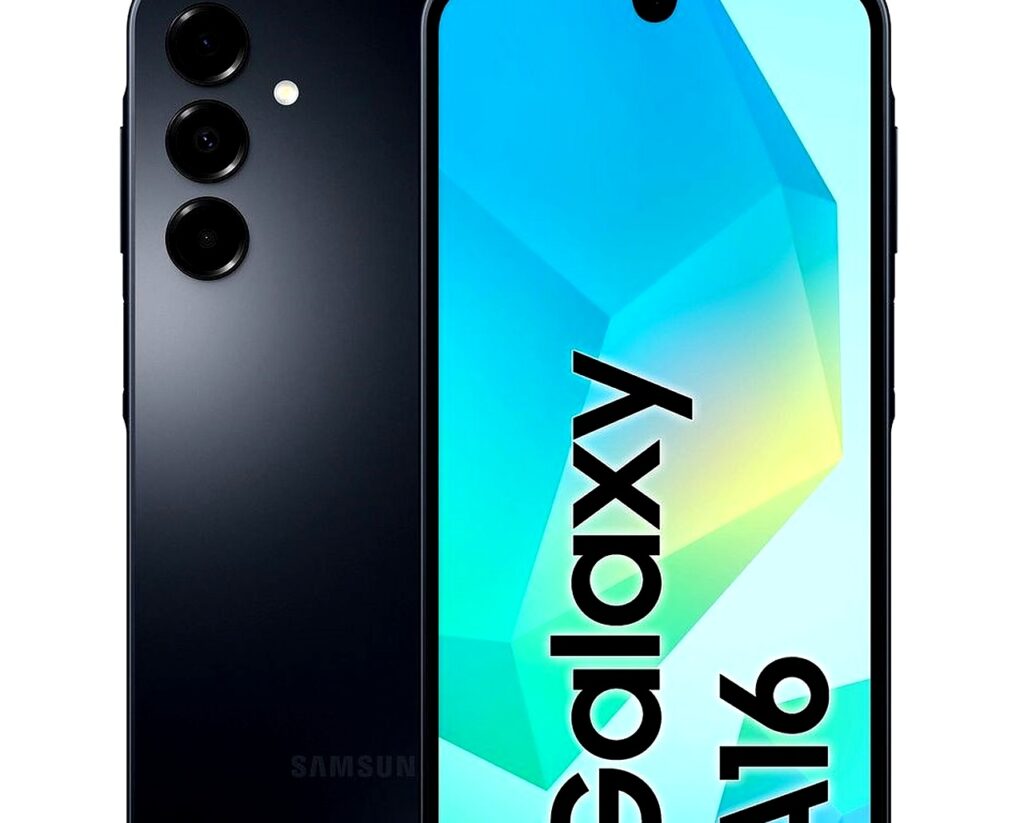
Samsung Galaxy A16 is now drawing attention because its price has dropped while it still brings a Super AMOLED display, a feature that is usually more common in higher-tier midrange phones. For buyers looking for a practical daily device in the roughly $120 to $140 range, the A16 now sits in a more competitive position than before.
The lower price makes the Galaxy A16 more relevant for people who want a branded Android phone with a bright screen, long battery life, and extended software support. It is not a flagship, but Samsung has packed enough core features to make it a strong option in the budget-to-entry midrange segment.
Why the Galaxy A16 is getting more attention now
The biggest reason is simple: the price has become easier to reach without removing the key features that matter most. Based on the reference article, Samsung Galaxy A16 is now being sold at a level equivalent to around $120 to $130, depending on the market and retailer.
That puts it in direct competition with many affordable Android phones that often rely on LCD panels and shorter update support. The Galaxy A16 stands out because Samsung keeps the Super AMOLED display, which usually gives deeper blacks, better contrast, and a more premium viewing feel.
A more refined design for everyday use
Samsung gives the Galaxy A16 a design language that feels familiar but cleaner than older Galaxy A-series models. The back panel uses a glastic material with a matte finish, which helps reduce fingerprints and gives the phone a more stylish look.
The body also looks slimmer than the Galaxy A15, and the rounded corners improve comfort when holding the device for long periods. Samsung keeps the vertical camera arrangement on the back, along with the well-known Key Island side design that has become part of the company’s newer budget and midrange identity.
Super AMOLED display remains the main selling point
One of the strongest reasons to consider this phone is its 6.7-inch Super AMOLED screen. Samsung pairs the display with FHD+ resolution and a 90Hz refresh rate, which should make scrolling, social media browsing, and video playback feel smoother than older 60Hz panels.
For mobile users, this matters because display quality often affects the overall impression of a phone more than raw benchmark numbers. The Super AMOLED panel can deliver richer colors and more vivid images, which is especially useful for streaming video, casual gaming, and reading content outdoors.
Key Galaxy A16 specifications at a glance
Here is a simplified look at the main hardware based on the reference data:
| Feature | Samsung Galaxy A16 |
|---|---|
| Display | 6.7-inch Super AMOLED |
| Resolution | FHD+ |
| Refresh Rate | 90Hz |
| Chipset | MediaTek Helio G99 |
| RAM / Storage | Up to 8GB RAM Plus, 128GB or 256GB storage |
| Rear Cameras | 50MP main, 5MP ultrawide, 2MP depth |
| Front Camera | 8MP |
| Battery | 5,000mAh |
| Charging | 25W fast charging |
| Colors | Gray, Blue Black, Light Green |
This combination places the Galaxy A16 in a category aimed at users who need a balanced phone rather than a performance-first model. It is built for stable daily use, media consumption, and standard multitasking.
Helio G99 keeps performance practical
Samsung uses the MediaTek Helio G99 to power the Galaxy A16, and that choice is important for this class of phone. The chipset is known for providing efficient performance for everyday tasks, which makes it suitable for messaging, web browsing, video streaming, and casual gaming.
The phone is not meant to challenge gaming-focused devices, but the Helio G99 should still be enough for smooth daily use. For many buyers, that is often more valuable than chasing a bigger benchmark score that does not translate into better real-world experience.
Storage options give more flexibility
Samsung offers the Galaxy A16 with 128GB and 256GB storage variants, which is a useful advantage in this price range. The inclusion of RAM Plus up to 8GB also helps the device handle more apps in memory, especially for users who switch between social media, browsers, and streaming apps.
This matters because storage pressure can quickly become an issue on affordable smartphones. A larger option makes the phone more future-proof for people who keep many photos, videos, and downloaded files on-device.
Camera setup focuses on daily needs
The Galaxy A16 uses a 50MP main camera, supported by a 5MP ultrawide lens and a 2MP depth sensor. On the front, Samsung includes an 8MP selfie camera for video calls and self-portraits.
This is not a camera system built for heavy content creation, but it should cover common use cases well. For everyday photography, the 50MP main sensor gives users a stronger baseline for street shots, family photos, and social media-ready images in good lighting.
Battery and charging are tuned for long use
Battery life remains another major advantage, with a 5,000mAh battery and 25W fast charging support. That capacity is now a familiar but still important standard for users who want a phone that can last through a full day of moderate to heavy use.
For people who stream content, browse continuously, or use navigation and messaging apps throughout the day, a large battery can be more valuable than small performance differences. Samsung’s charging support also helps reduce downtime when the battery needs to be topped up.
Software support is one of Samsung’s strongest arguments
Samsung also gives the Galaxy A16 a major selling point in software longevity. The company promises six OS upgrades and six years of Samsung Security Maintenance Releases, which is an impressive commitment in the budget segment.
This level of support can matter more than many buyers realize. Phones that receive updates for longer tend to stay safer, last longer in practical use, and feel more relevant as Android and app requirements change over time.
Security and convenience features add value
The Galaxy A16 also includes Samsung Knox Vault, which helps protect private information such as passwords and personal data. Samsung Pass is included as well, making login access easier for users who store credentials in the company’s ecosystem.
These details may not be the first thing shoppers notice, but they strengthen the phone’s overall value proposition. For users who care about privacy and convenience, Samsung’s security features can be a meaningful advantage over simpler entry-level phones.
Who should consider the Galaxy A16 now
- Users who want a Samsung phone with a better display on a tighter budget.
- Buyers who prioritize battery life and reliable daily performance.
- People who want long software support without moving to a more expensive model.
- Casual users who mostly browse, stream, chat, and take standard photos.
For shoppers comparing phones in the low-cost segment, the Galaxy A16 now becomes a more compelling option because it combines a Super AMOLED screen, large battery, and long update promise in a package that has become noticeably cheaper.
The current price drop makes the Samsung Galaxy A16 easier to recommend for value-focused buyers who still want a polished screen and trusted brand support, especially as the market continues to favor phones that can balance display quality, battery endurance, and long-term software reliability.