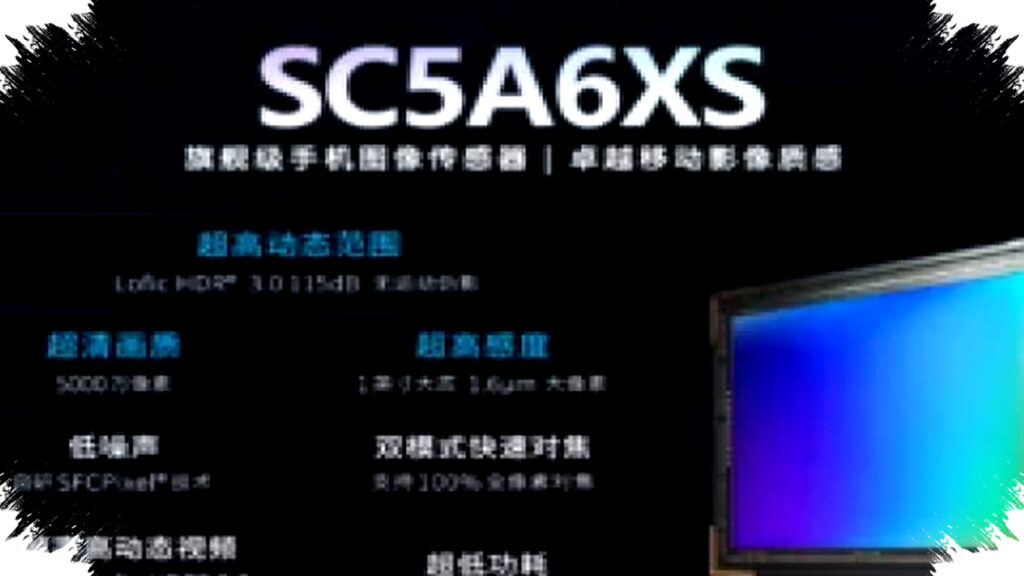
SmartSens has introduced the SC5A6XS, a new 1-inch 50MP image sensor designed for premium smartphones that are expected to arrive in 2026. The part stands out because it combines a large sensor format with a stacked 22nm process, a mix that aims to improve image quality, reduce power use, and support advanced video features.
The timing matters because smartphone makers are pushing harder for camera upgrades that go beyond megapixels alone. In that setting, SmartSens is positioning the SC5A6XS as a flagship-class sensor that targets better dynamic range, cleaner low-light shots, and more stable high-frame-rate video capture.
What makes the SC5A6XS different
SmartSens built the SC5A6XS around a 1-inch optical format, which is still one of the most desirable sizes in mobile imaging. A larger sensor can gather more light, improve background separation, and deliver better detail in challenging scenes, especially when paired with strong image processing.
The company says the sensor uses a 22nm stacked architecture, a design that helps pack more functions into a compact chip while improving efficiency. For smartphone brands, that can matter as much as raw image quality because flagship camera systems must balance performance, heat, battery life, and physical space inside the device.
The headline feature is Lofic HDR 3.0, SmartSens’ high dynamic range technology. According to the reference data, the sensor reaches a peak dynamic range of 115dB, which should help preserve detail in bright skies, reflective surfaces, and shadowed areas in the same frame.
How HDR 3.0 could improve real-world photos
HDR matters most when a phone faces contrast-heavy scenes, such as backlit portraits, bright outdoor shots, or night environments with strong light sources. SmartSens says the SC5A6XS performs multi-frame fusion in a single exposure, which should reduce the motion artifacts that often appear when HDR stacks multiple frames too slowly.
That approach can help when the subject moves, since the camera needs to capture detail without creating ghosting or unnatural blur. For users, that could translate into more reliable results in everyday situations like street photography, concerts, children in motion, or city scenes at dusk.
The 115dB figure also places the sensor in a strong position for premium imaging claims. In practical terms, higher dynamic range means a phone has a better chance of keeping clouds, highlights, and shadows visible without forcing the image into a flat or overly processed look.
Video specs aimed at flagship buyers
SmartSens is also targeting high-end video users with support for 4K at 120fps, alongside 4K 60fps HDR recording. That combination is important because flagship buyers increasingly compare phones not only on still photography, but also on motion performance, stabilization, and cinematic capture options.
High-frame-rate 4K can produce smoother slow-motion footage and cleaner action capture. Meanwhile, 4K 60fps HDR should help maintain richer tone balance in fast-moving scenes, giving creators more flexibility in post-processing and social media publishing.
The company also claims an 11% improvement in power efficiency during HDR mode. That figure may sound small, but in a flagship phone it can make a meaningful difference, especially during long camera sessions that can quickly drain the battery or trigger thermal throttling.
Low-light performance remains a key battleground
SmartSens says the SC5A6XS uses 1.6μm pixels combined with SFCPixel technology to improve light sensitivity and reduce noise. That is especially relevant in low-light situations, where phones usually struggle with grain, blurred detail, and color shifts.
A larger pixel size can help collect more light per photosite, which often improves exposure consistency and texture retention. When paired with stronger noise control, the result should be images that appear cleaner and more natural without excessive smoothing.
Autofocus also gets attention here. The SC5A6XS includes AllPix ADAF full-pixel autofocus and partial phase detection, a setup designed to lock focus faster and more accurately. That matters because low-light autofocus can fail easily, and a sensor that maintains sharp focus in dark conditions can improve both photos and video.
Key specifications at a glance
- 1-inch sensor format
- 50MP resolution
- 22nm stacked process
- Lofic HDR 3.0
- Peak dynamic range up to 115dB
- 4K 120fps video support
- 4K 60fps HDR video support
- 1.6μm pixels with SFCPixel technology
- AllPix ADAF full-pixel autofocus
- Up to 11% power savings in HDR mode
Why smartphone makers may want this sensor
For phone brands, camera hardware is now a key differentiator in the flagship segment. Users expect sharper zoom, stronger night performance, better HDR, and more stable video, while also demanding slimmer designs and longer battery life.
The SC5A6XS appears built to address all of those pressures at once. Its combination of large format, advanced HDR, and improved power efficiency gives manufacturers a sensor they can use as a marketing advantage and a technical foundation for premium imaging systems.
This is especially important in a market where competition has intensified among Chinese smartphone makers and global brands alike. With computational photography becoming more mature, hardware still matters because it determines how much image data the phone can capture before software processing begins.
Huawei Pura 90 is the likely first candidate
According to the reference material, SmartSens says the SC5A6XS is already in sampling with smartphone vendors, and mass production is scheduled for Q2 2026. That timeline aligns with expectations that the sensor could debut in a 2026 flagship lineup rather than appearing in midrange devices.
Industry speculation points to the Huawei Pura 90 series as one of the strongest candidates to adopt it first. Huawei has consistently emphasized imaging performance in its flagship strategy, and a 1-inch, 50MP sensor with enhanced HDR would fit that positioning well.
If that proves accurate, the Pura 90 family could become one of the first major showcases for SmartSens’ newest imaging platform. The move would also highlight how smartphone camera leadership is still shaped by a close race between sensor suppliers, phone vendors, and their software pipelines.
What to watch next
The most important detail now is how manufacturers tune the SC5A6XS in final products. Sensor specs matter, but real-world quality also depends on lens design, stabilization, processing algorithms, and the way a phone balances exposure and noise reduction.
If SmartSens’ claims hold up in commercial devices, the SC5A6XS could become one of the more influential sensor launches of 2026. Its 1-inch size, 50MP output, 115dB dynamic range claim, and 4K 120fps support place it squarely in the category of components that can shape the next wave of flagship camera experiences.