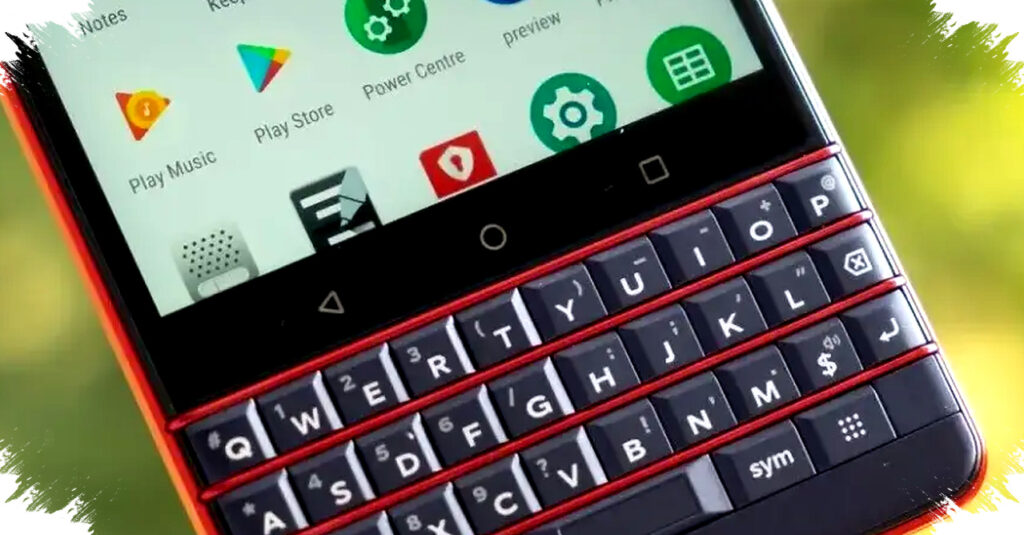
A BlackBerry-like smartphone is set to return this year, and it will run Android instead of the old BlackBerry operating system. The device is called Titan 2 Elite, and it keeps one of the brand’s most recognizable traits: a physical QWERTY keyboard.
The phone was first shown at Mobile World Congress 2026, and it comes from the Chinese manufacturer Unihertz. According to CNET, the handset is scheduled to arrive in June 2026, marking another attempt to bring tactile typing back into a market dominated by large touchscreens.
A familiar design with a modern platform
The appeal of the Titan 2 Elite goes beyond nostalgia. It targets users who still value physical keys for speed, accuracy, and the ability to feel each press, especially when writing long messages or editing text.
Unihertz has built the device around a full keyboard layout, but it does not try to copy older BlackBerry phones exactly. One notable difference is the absence of a trackball, a feature that once defined classic BlackBerry navigation.
Instead of the trackball, the keyboard itself handles more than typing. It can also scroll and move through menus, which helps the phone stay functional without relying too heavily on the touchscreen.
What the keyboard can do
The keyboard is also designed with shortcuts in mind. Users can assign long-press and short-press actions for different apps, which gives the device a more productivity-focused feel.
That approach may appeal to professionals, writers, and heavy messaging users who want faster access to tools. It also fits the broader trend of niche phones trying to stand out by offering features that mainstream devices have abandoned.
A red side button adds another layer of customization. It can be programmed to open any app with a single press, making it a practical launch key for communication tools, camera apps, or work-related software.
Two versions, different chipsets
The Titan 2 Elite will come in two models, standard and Pro, and the main difference lies in performance and storage. The standard version uses a MediaTek Dimensity 7400 chip, while the Pro model steps up to a Dimensity 8400.
Both versions include 12GB of RAM, which should be enough for multitasking and daily Android use. The standard model offers 256GB of storage, while the Pro increases that to 512GB.
There is also a microSD slot on both versions, and the phone supports expansion of up to 2TB. That is a rare and useful feature in a compact Android device, especially for users who store many files locally.
Key specifications at a glance
| Model | Chipset | RAM | Internal Storage | microSD Support |
|---|---|---|---|---|
| Titan 2 Elite Standard | MediaTek Dimensity 7400 | 12GB | 256GB | Up to 2TB |
| Titan 2 Elite Pro | MediaTek Dimensity 8400 | 12GB | 512GB | Up to 2TB |
The display sits above the keyboard and measures 4.03 inches. It uses AMOLED technology, which should provide deeper blacks and stronger contrast than older LCD panels.
The compact screen size reinforces the phone’s keyboard-first identity. It also shows that Unihertz is not trying to compete with large flagship phones on display real estate, but on usability and form factor.
Camera and battery details
The rear camera is a 50MP unit, while the front camera is 32MP for selfies and video calls. Those numbers put the Titan 2 Elite in a respectable position for a niche productivity phone, even if it is not meant to challenge top camera phones.
Battery capacity reaches 4,050 mAh, which is decent for a device with a smaller screen. The combination of a compact display and Android optimization could help the phone last through a full day of moderate use.
That said, battery life will depend heavily on how people use the keyboard, the 5G modem, and the performance level of the chosen chipset. Users looking for a travel companion or a secondary work device may find that balance more appealing than buyers seeking all-day gaming performance.
Certification and launch timeline
Unihertz is currently pushing the Titan 2 Elite through several certification processes. The phone is undergoing approval from Google, the FCC in the United States, Conformité Européenne for the European Union, UK Conformity Assessed, and the Japan Approvals Institute for Telecommunications Equipment.
The company expects to secure all of those certifications in April. After that, it plans to begin testing and mass production in May, which keeps the June launch window within reach.
This timeline matters because devices with unusual hardware often face delays. A keyboard phone that spans multiple regulatory markets needs to clear worldwide compliance checks before it can ship broadly.
Price and availability
Unihertz is using a donation-based purchase system for the Titan 2 Elite. The standard version is listed at $396 and is expected to ship in June 2026.
The Pro version is priced at $579, which includes a $486 donation and shipping costs. That model is scheduled to ship in October 2026, later than the standard edition.
For buyers, the pricing places the device in a mid-range category rather than the premium flagship segment. That makes it more of a specialty phone for a defined audience than a mass-market rival to Samsung, Apple, or Google.
Why this phone is getting attention
The resurgence of keyboard phones is linked to a broader shift in user preference. Some users want less dependence on touchscreens, while others simply miss the comfort of physical typing.
Accessories such as the Clicks case have also shown that demand still exists for tactile input on modern phones. Combined with products like the Titan 2 Elite, those accessories suggest that physical keyboards are not just a nostalgic novelty.
- They can improve typing accuracy for some users.
- They can speed up repetitive actions using shortcuts.
- They can make long messages and edits easier to handle.
- They can reduce reliance on on-screen keyboards in certain workflows.
How it fits into today’s Android market
Android gives the Titan 2 Elite a practical advantage over older BlackBerry-era devices. It can support modern apps, cloud services, security updates, and communication tools that users now expect from a daily phone.
That software flexibility is important because modern keyboard phones need more than a familiar shape. They need access to current apps, strong connectivity, and enough hardware power to keep pace with everyday productivity demands.
The combination of BlackBerry-inspired hardware and Android software is what makes the Titan 2 Elite interesting. It is not a direct revival of BlackBerry, but it does keep alive the idea that typing on real keys can still have a place in 2026.