


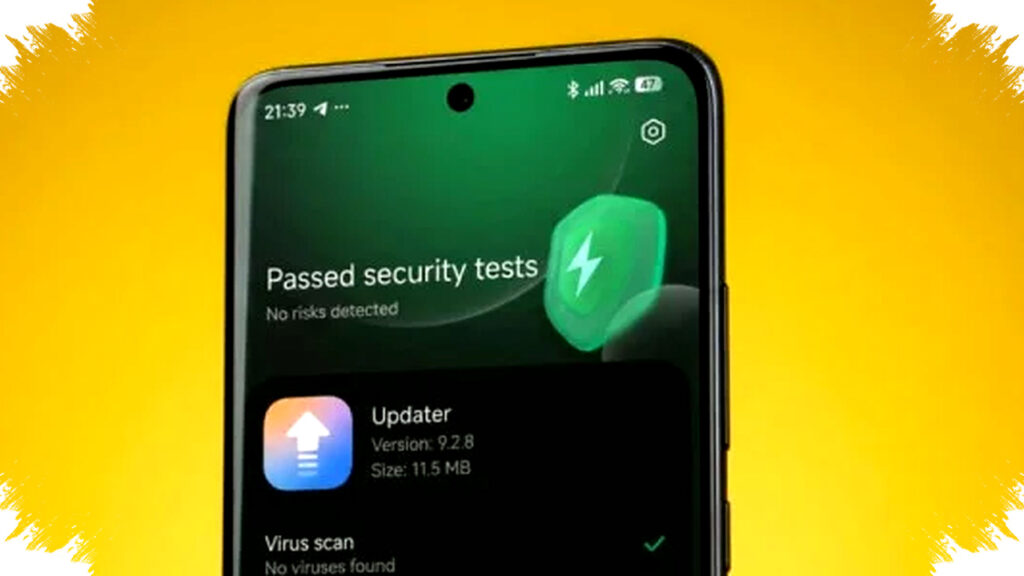
Xiaomi has started rolling out HyperOS Updater v9.2.8, a small but important system patch aimed at keeping the platform stable in the background. The update replaces version 9.2.7 and is now available across the Xiaomi, POCO, and REDMI ecosystem.
This release does not change the look of HyperOS, but it matters for day-to-day reliability. Xiaomi is focusing on background code optimization so the update process remains smooth, future OTA downloads work properly, and the system stays ready for later software upgrades.
What HyperOS Updater v9.2.8 actually changes
The new build is part of Xiaomi’s maintenance effort, not a feature-packed release. According to the reference data, the main goal is long-term system stability through improvements to underlying code.
That means users should not expect visual changes, new menus, or major interface upgrades. Instead, Xiaomi is targeting the parts of the updater that work quietly in the background every time the device checks for system updates.
The package size also changed slightly, moving from 11.47 MB to 11.49 MB. That small increase suggests Xiaomi only added narrow, targeted fixes rather than a full rebuild of the app.
Why this update matters even if it looks minor
System updater tools are easy to ignore because they do not affect the screen directly. But if they fail, users can face download errors, update interruptions, or trouble checking for new HyperOS versions.
Xiaomi’s v9.2.8 patch is designed to reduce those risks by fixing background issues such as silent crashes and server timeout problems. These are the kinds of faults that may never appear on the display, but they can block the update process when users need it most.
A stable updater also helps devices prepare for larger operating system upgrades. In practice, that makes this release more important than its small size may suggest.
Key technical focus areas
The reference material highlights several technical goals behind the release. Xiaomi is aiming to make the updater more dependable when it runs in the background.
- Improve background code stability.
- Reduce silent crashes that may happen without visible warnings.
- Prevent timeout errors when the device checks for new versions.
- Support smoother OTA delivery for future updates.
- Keep the updater consistent across Xiaomi, POCO, and REDMI devices.
These changes are not designed for performance benchmarking or gaming gains. They are meant to improve the update pipeline itself, which can influence how smoothly the phone handles system maintenance over time.
Which devices can receive it
Xiaomi says the update is available universally across its consumer ecosystem. That includes smartphones and tablets under the Xiaomi, POCO, and REDMI brands.
The rollout is tied to the HyperOS update system, so users will see it through official update channels rather than through a major standalone feature announcement. As with most maintenance releases, the availability may vary slightly depending on region and device model.
| Category | Coverage |
|---|---|
| Target version | HyperOS Updater v9.2.8 |
| Previous version | 9.2.7 |
| Device families | Xiaomi, POCO, REDMI |
| Update type | Maintenance and stability patch |
| Main focus | Background optimization and OTA reliability |
What users should do now
Users do not need to treat this as an urgent emergency patch, but they should still install it when it appears on their device. Small stability updates often help prevent larger update problems later.
Before installing any system update, it is smart to follow a few basic steps.
- Back up important files and photos.
- Make sure battery level is sufficient, ideally above 50%.
- Use a stable Wi-Fi connection.
- Check that the device has enough free storage.
- Install only through official HyperOS update channels.
These habits lower the chance of failed downloads or interrupted installations. They also help ensure the phone remains in a clean and stable state after the patch is applied.
Why Xiaomi is pushing maintenance updates more often
Modern smartphone software is more complex than it used to be. A device is no longer just a phone interface, but a layered system that manages network checks, security components, app services, and OTA delivery in the background.
That is why small patches like HyperOS Updater v9.2.8 matter. They support the hidden infrastructure that keeps the software ecosystem running, even when users are not interacting with it. If that layer is stable, the entire system tends to behave better during routine checks and future upgrades.
This approach also fits a broader trend in mobile software development. Companies now release more frequent maintenance fixes to keep update services reliable, because broken update tools create more user complaints than many visible feature bugs.
What the update means for long-term HyperOS users
For people who plan to keep their Xiaomi device for years, this release is worth installing. A stable updater can help the phone remain compatible with future HyperOS builds and reduce friction during major version changes.
The reference material notes that the patch helps prepare the system for upcoming updates. That is important because the update process itself can become a weak point if background services fall behind or begin failing silently.
Users who often skip maintenance patches may not notice the difference immediately. But over time, keeping system components current can make the device more dependable when Xiaomi pushes larger software changes, security fixes, or regional OTA releases.
What to watch next from Xiaomi
The release of HyperOS Updater v9.2.8 suggests Xiaomi is continuing to refine the backend of HyperOS rather than only focusing on visible features. That usually means more incremental fixes may follow, especially if the company detects update reliability issues in the field.
For now, the key message is simple: this is a stability-first patch for the updater system, and it is being distributed across the full Xiaomi, POCO, and REDMI lineup. Users who see it in their update menu should consider installing it to keep their device ready for the next wave of HyperOS improvements.