


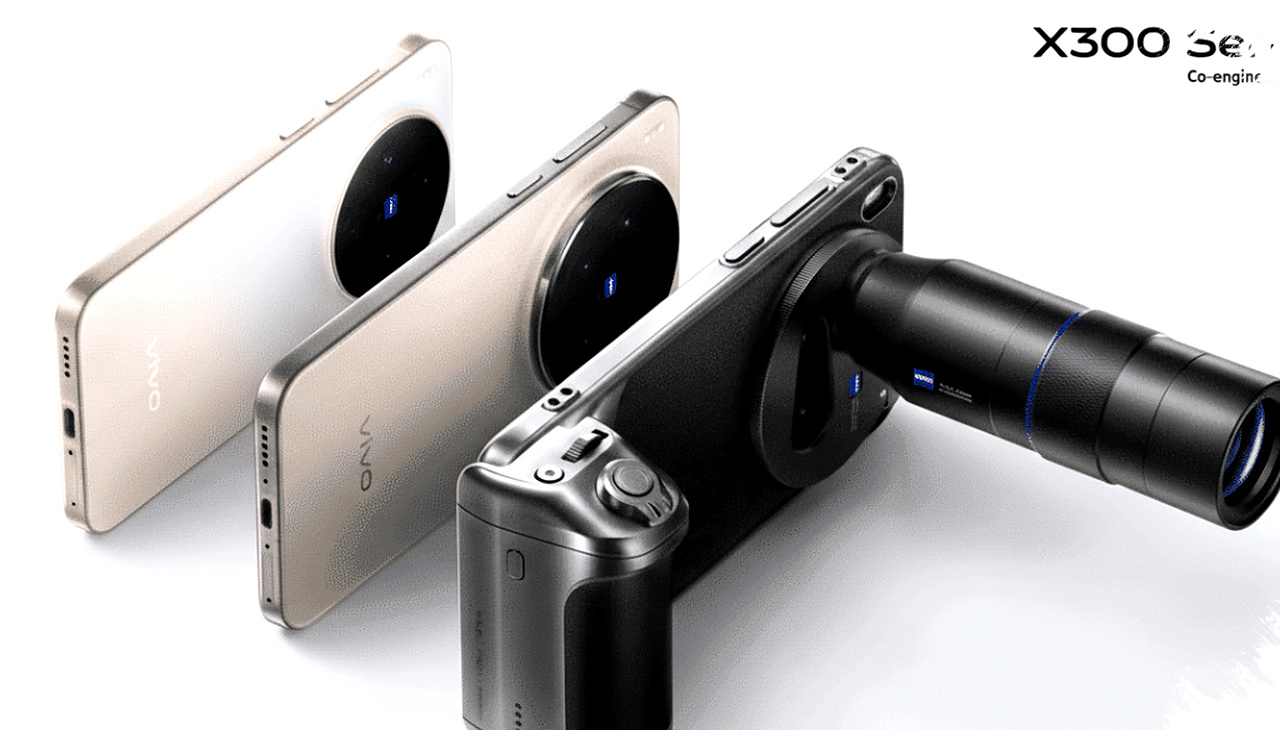
Vivo is preparing to push mobile photography into a new phase with the X300 Ultra, a flagship phone set to debut on 30 March. The headline feature is its Zeiss-backed camera system, which is expected to bring a 400mm zoom capability that targets serious photo performance from a smartphone body.
The launch is drawing attention because the X300 Ultra is not being positioned as a typical flagship with a strong camera. Instead, it appears designed to challenge the idea of what a phone camera can do, especially for long-range shooting, low-light capture, and advanced telephoto work.
What makes the Vivo X300 Ultra stand out
Vivo appears to be treating the X300 Ultra as a showcase device for its imaging ambitions. The phone is said to use a three-main-sensor camera setup, with Zeiss optics playing a central role in image quality and zoom performance.
The reported 400mm Zeiss zoom is the feature that is creating the most buzz. In practical terms, that kind of reach is meant to help users capture distant subjects with much more detail than standard smartphone zoom systems can usually deliver.
- Three high-performance main sensors for versatile shooting
- Zeiss optical engineering for sharper and more natural-looking images
- Zeiss T Coating to reduce ghosting and flare
- 400mm telephoto zoom for long-distance detail
- AI-based image processing for better speed and low-light results
The combination of these elements suggests Vivo is targeting users who want premium photography tools without carrying a dedicated camera. That includes content creators, mobile journalists, travelers, and everyday users who increasingly rely on phones for high-quality imaging.
Why the 400mm zoom matters
A 400mm equivalent zoom is significant because it goes far beyond the regular telephoto range found on most smartphones. It gives the phone a stronger position in photographing sports, stage events, wildlife, and other faraway subjects where digital cropping often falls short.
This also sets a higher benchmark for the flagship segment. Many premium phones already offer solid zoom, but Vivo’s approach indicates a stronger focus on optical performance rather than relying only on software enhancement.
The difference matters because optical zoom usually preserves more detail and texture than purely digital methods. If Vivo delivers consistent results at this range, the X300 Ultra could appeal to users who care about image fidelity as much as convenience.
Zeiss partnership remains a core advantage
Vivo’s cooperation with Zeiss continues to be one of its most valuable assets in the flagship camera race. Zeiss is widely recognized for its expertise in optics, and that reputation helps strengthen Vivo’s credibility among users who pay close attention to camera quality.
The inclusion of Zeiss T Coating is especially important for mobile photography. This coating helps reduce reflections caused by light hitting the lens, which can minimize flare and ghosting in difficult shooting conditions.
That matters in real-world use because smartphone cameras often struggle when shooting against bright lights, sunset scenes, or indoor images with strong artificial lighting. With this optical treatment, Vivo is signaling that it wants cleaner results straight from the lens before software processing even begins.
A camera system built for different scenarios
The reported triple-sensor setup suggests Vivo wants the X300 Ultra to handle more than just one type of photography. A flexible camera system usually improves the experience across wide shots, portraits, and telephoto scenes.
Here is how the setup is likely to be positioned:
| Camera element | Expected role |
|---|---|
| Main sensor | General photography with high detail |
| Secondary sensor | Broader or specialized shooting modes |
| Telephoto/periscope lens | Long-range zoom and subject isolation |
This structure matters because modern smartphone users rarely shoot only one type of image. They move between landscapes, indoor scenes, macro-style close-ups, portrait shots, and distant subjects throughout the day.
In that context, a multi-sensor system gives Vivo more room to optimize each visual scenario. It also helps the brand compete in a market where camera versatility often decides which flagship stands out.
Low-light performance could be another key area
Vivo is also expected to lean on large sensors and AI-based image processing to improve low-light results. That combination is now common in the premium segment, but execution still makes a major difference.
Low-light photography remains one of the hardest challenges for smartphones. The phone must collect enough light while keeping noise under control, preserving motion detail, and avoiding unnatural color shifts.
If the X300 Ultra performs well in this area, it would strengthen its appeal beyond zoom photography alone. That could make it a more complete camera phone, rather than a device known for one standout feature.
30 March launch points to an aggressive flagship push
The confirmed launch date of 30 March is important because it gives Vivo a clear moment to position the X300 Ultra in front of global attention. The phone is expected to arrive alongside the X300s, which suggests Vivo is building a wider product push around the X300 series.
That timing also indicates a competitive strategy. Flagship launches in the camera-phone category often aim to shape early-year market perception, especially when a brand wants to claim leadership in imaging.
Vivo seems ready to make that statement with hardware, optics, and branding all aligned around photography. If the final product delivers what the early reports suggest, the X300 Ultra could become one of the most discussed camera phones of the year.
What observers will watch at launch
The strongest questions around the phone will likely focus on how the zoom performs in practice. Specs can look impressive on paper, but real-world results will decide whether the 400mm claim becomes a true advantage or just a marketing headline.
Key areas to watch include:
- Sharpness at long zoom distances
- Color accuracy under mixed lighting
- Flare and reflection control through Zeiss T Coating
- Low-light image quality
- Autofocus speed and stability during zoom use
The device will also face comparison with other flagship phones that already compete heavily in camera imaging. Vivo’s success will depend on whether it can combine raw zoom reach with dependable everyday performance.
For now, the X300 Ultra is shaping up as one of the most ambitious smartphone camera launches of the season. With Zeiss optics, a three-sensor camera system, and a reported 400mm zoom feature, Vivo is clearly aiming to change how users think about mobile photography when the phone reaches the market on 30 March.