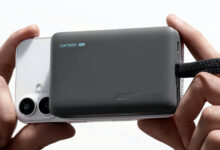
Vivo is preparing to launch the X300 Ultra and X300s on March 30 in China, and both phones are clearly being positioned around one major theme: mobile photography. The new flagship pair does not just chase higher megapixel counts, because Vivo is also leaning on optics, accessories, and sensor size to create a more serious imaging experience.
The X300 Ultra appears to be the more aggressive of the two, with a 200MP main camera, a 200MP periscope telephoto camera, and a 50MP ultrawide lens. The X300s, meanwhile, combines a large battery, a high-refresh-rate display, and a 200MP Zeiss-tuned camera, which suggests Vivo wants to appeal to both camera enthusiasts and power users who need all-day endurance.
Vivo X300 Ultra puts camera hardware first
The headline feature of the Vivo X300 Ultra is its camera system, and the company has made that very obvious in its early promotional materials. Vivo is not treating this as a routine upgrade, because the phone also comes with a 35mm equivalent focal length approach that aims to produce a more natural perspective than the standard main-camera look on many smartphones.
That 35mm framing matters for real-world shooting. It is closer to how many photographers compose street scenes and portraits, so images can feel less distorted and more balanced when compared with wider default smartphone lenses.
Vivo also pairs the X300 Ultra with a 200MP main sensor and a 200MP periscope telephoto unit, which is unusual even in the flagship segment. The company’s strategy seems clear: it wants the phone to capture both fine detail and long-range subjects without relying only on digital zoom.
A key part of that setup is the telephoto extender accessory, which Vivo says can push reach up to 400mm. The reference material also notes that when the zoom is extended further, equivalent reach can go up to 1,600mm, while image quality remains sharp thanks to advanced optics and gimbal-grade stabilization.
Why the extender matters for creators
The external lens system is one of the most interesting parts of the X300 Ultra launch. Smartphones often promise zoom performance, but image quality usually drops fast once users move far beyond native focal lengths.
Vivo is trying to solve that with a dedicated accessory, and that could make the X300 Ultra more attractive for photographers, vloggers, and content creators who want flexibility without carrying a full camera bag. The phone’s motion-tracking focus and gimbal-level OIS should also help when recording moving subjects or shooting handheld in low light.
For users who record travel clips, events, or street scenes, that mix of software and optical support could matter more than raw megapixel numbers. It may also help Vivo stand out in a market where many brands now use similar sensor sizes and computational photography tools.
Main camera advantages at a glance
- 200MP main camera for high-detail shots
- 200MP periscope telephoto lens for long-distance zoom
- 50MP ultrawide camera for broader scenes
- 35mm equivalent focal length for a more natural perspective
- Motion-tracking focus for moving subjects
- Gimbal-grade OIS for steadier photos and video
The ability to pair a flagship phone with an extendable telephoto solution also fits a growing trend in premium smartphones, where manufacturers increasingly target creators rather than only mainstream buyers.
Performance backs up the imaging hardware
The X300 Ultra is not only about cameras, because Vivo has also equipped it with top-tier performance hardware. Initial testing data points to a latest-generation Snapdragon chipset, paired with up to 16GB of RAM.
That combination should be enough for demanding tasks such as high-resolution photo editing, heavy multitasking, mobile gaming, and AI-based processing. In a camera-first phone, this matters because large image files and computational photography workloads can slow weaker chipsets very quickly.
There are also practical reasons to want strong performance on a device like this. A phone with advanced camera hardware needs fast processing for burst capture, autofocus tracking, and post-processing, especially when users shoot in challenging lighting conditions.
Vivo’s partnership with Zeiss remains another important part of the story. The collaboration has already become a recognizable selling point for the company, and here it is used to support the camera system with optics that should improve sharpness, contrast, and overall image quality.
Vivo X300s targets balance and endurance
While the X300 Ultra aims to be the showcase device, the X300s looks designed for users who want a more balanced flagship. Vivo gives this model a very large 7,000mAh battery, and the company says the silicon-carbon battery design helps keep the phone relatively slim despite the increased capacity.
That battery size is notable because it could easily support around two days of normal use for many users, depending on workload and network conditions. It also gives the X300s a stronger battery story than many premium phones that still sit in the 5,000mAh range.
The handset is powered by the MediaTek Dimensity 9500 built on a 3nm process. That should help with efficiency as well as performance, especially for users who want strong battery life without sacrificing speed.
Key X300s features in a simple table
| Feature | Vivo X300s |
|---|---|
| Battery | 7,000mAh |
| Charging | 90W fast charging |
| Chipset | MediaTek Dimensity 9500, 3nm |
| Display | 6.78-inch AMOLED, 144Hz |
| Main camera | 200MP, Zeiss-tuned |
| Durability | IP68/IP69 |
| Audio | Stereo speakers |
This combination suggests the X300s may appeal to buyers who want a long-lasting flagship with a premium display and a strong camera, but without the more experimental imaging accessories of the Ultra model.
Display and durability remain important selling points
The X300s uses a 6.78-inch AMOLED panel with a 144Hz refresh rate, which should make scrolling, gaming, and animations feel very fluid. High refresh rate screens are now common in the flagship class, but at this level they still help define the everyday experience of the phone.
Vivo also includes IP68 and IP69 protection, which adds another layer of practicality. That kind of certification can matter for users who work outdoors, shoot in unpredictable conditions, or simply want more confidence around water and dust resistance.
The phone also supports 90W fast charging, so the big battery should not become a major inconvenience during daily use. Stereo speakers complete the package and make the device more attractive for streaming, gaming, and general media consumption.
What stands out most before launch
The March 30 launch is important because Vivo is making a strong statement about where it wants to compete in 2026. The X300 Ultra leans heavily into imaging innovation, while the X300s offers a more balanced flagship formula with a huge battery and a premium display.
The timing also matters for the broader smartphone market, which continues to reward brands that can offer clear product identity. Vivo appears ready to push that identity through camera technology, Zeiss branding, and unusual accessories that could help the X300 Ultra become one of the most talked-about photography phones of the year.
For consumers following the flagship race, the next big question is how Vivo prices and positions the two models once they reach the market. Based on the current teaser details alone, the X300 Ultra and X300s already look like two phones built to catch attention from very different types of premium buyers.