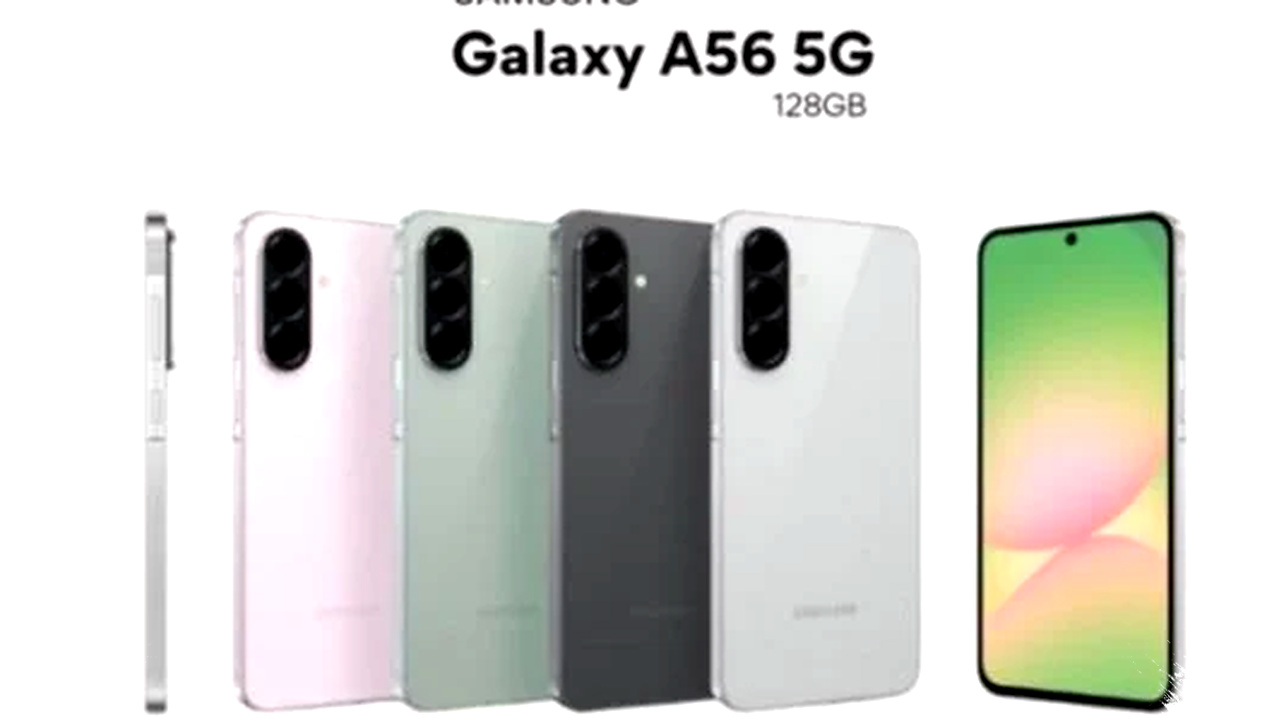
Samsung Galaxy A56 5G is shaping up as one of the most compelling mid-range smartphones to watch in 2026. It targets users who want a balanced phone that feels premium in daily use, but still stays far below flagship pricing.
At an estimated price range of around $380 to $430, the Galaxy A56 5G positions itself as a practical choice for people who care about display quality, battery life, reliable cameras, and long-term software support. In a market where many mid-range phones compete on one or two strengths, Samsung appears to offer a more complete package here.
A mid-range phone that feels closer to premium
The first thing that stands out about the Galaxy A56 5G is its 6.7-inch Super AMOLED display. Samsung pairs it with FHD+ resolution of 1080 x 2340 pixels and a 120Hz refresh rate, which should make scrolling, gaming, and video playback feel noticeably smooth.
Samsung also adds Vision Booster, a feature designed to improve visibility under bright outdoor light. For users who spend a lot of time on social media, streaming video, or reading on the move, that combination can make daily use feel much more comfortable.
Design choices that matter in real use
Samsung gives the Galaxy A56 5G a slim-bezel design that helps the screen feel larger without making the body look bulky. That matters because many buyers in this segment now expect a phone that looks refined, not just functional.
The reported weight of 200 grams keeps it within a familiar range for a 6.7-inch device. With color options such as Awesome Olive and Pink, Samsung also seems to be targeting users who want a phone that feels a bit more expressive than the average mid-range model.
Performance built for everyday multitasking
Inside, the Galaxy A56 5G runs on Samsung’s Exynos 1580 chip built on a 4nm process. That matters because smaller fabrication nodes usually help improve efficiency, which can support better battery behavior in day-to-day use.
The phone comes with 8GB or 12GB of RAM and 128GB or 256GB of storage. For many users, that means smooth app switching, enough room for photos and videos, and less need to manage storage aggressively.
Why the hardware mix is appealing
- 4nm Exynos 1580 for better efficiency.
- 8GB or 12GB RAM for multitasking.
- 128GB or 256GB storage for flexible needs.
- Expandable storage for users who keep lots of media files.
That combination makes the Galaxy A56 5G particularly relevant for buyers who want a phone that can keep up with long use, not just deliver fast performance on launch day.
Camera setup aimed at everyday creators
Samsung equips the Galaxy A56 5G with a triple rear camera system led by a 50MP main sensor with optical image stabilization. OIS remains one of the most useful camera features in a real-world setting because it helps reduce blur in low light and stabilizes handheld shots.
The supporting 12MP ultrawide camera and 5MP macro camera add versatility for landscapes, group shots, and close-up subjects. On the front, the 32MP selfie camera with AI processing should appeal to users who make frequent video calls or post content regularly.
The device also supports 4K video recording, which is important for users who want stronger video quality without moving to a more expensive flagship. In the mid-range category, that capability can become a deciding factor for content creators.
Batteries and charging remain a major strength
Samsung includes a 5,000mAh battery in the Galaxy A56 5G, a capacity that has become a reliable standard for full-day use. Combined with the efficiency of the 4nm chip, the battery setup should help most users get through a typical day without anxiety.
The phone also supports 45W fast charging, which is a practical upgrade for busy users. Faster charging matters most when a phone becomes a daily essential, because shorter downtime often feels more valuable than a small battery spec increase on paper.
Durability and protection add long-term value
The Galaxy A56 5G uses Gorilla Glass Victus+ on the front and carries an IP67 rating for dust and water resistance. That gives the phone a stronger durability profile than many basic mid-range phones, especially for users who travel often or use their device heavily outdoors.
This kind of protection may not sound flashy at first, but it can have a real effect on ownership experience. A phone that can better handle accidental splashes, dust exposure, and minor drops often feels like a safer long-term purchase.
Software support becomes a key deciding factor
One of the Galaxy A56 5G’s biggest selling points is Samsung’s promise of five years of Android updates. In the mid-range segment, that level of support is still a major differentiator because many competitors do not match it consistently.
Samsung also continues to lean on its Knox security platform, which helps protect user data and reinforces the phone’s long-term appeal. For buyers who keep their phone for several years, software support can matter just as much as processor speed or camera resolution.
Key specifications at a glance
| Feature | Samsung Galaxy A56 5G |
|---|---|
| Display | 6.7-inch Super AMOLED |
| Resolution | 1080 x 2340 pixels |
| Refresh rate | 120Hz |
| Chipset | Exynos 1580, 4nm |
| RAM | 8GB / 12GB |
| Storage | 128GB / 256GB |
| Rear camera | 50MP + 12MP + 5MP |
| Front camera | 32MP |
| Video | 4K recording |
| Battery | 5,000mAh |
| Charging | 45W fast charging |
| Protection | Gorilla Glass Victus+, IP67 |
| Connectivity | 5G, Wi-Fi 6, Bluetooth 5.3, NFC |
| Software support | 5 years Android updates |
Why this phone is easy to recommend for 2026
The Galaxy A56 5G does not try to win attention with one dramatic spec. Instead, it combines a bright AMOLED screen, efficient performance, dependable cameras, strong battery life, and long software support into a package that feels carefully balanced.
For many users, that balance is exactly what makes a mid-range phone hard to put down once they start using it. Samsung seems to understand that the best phone is not always the one with the highest-end hardware, but the one that stays satisfying long after the first week, especially when daily tasks, entertainment, and content creation all depend on it.
-
-
-

-