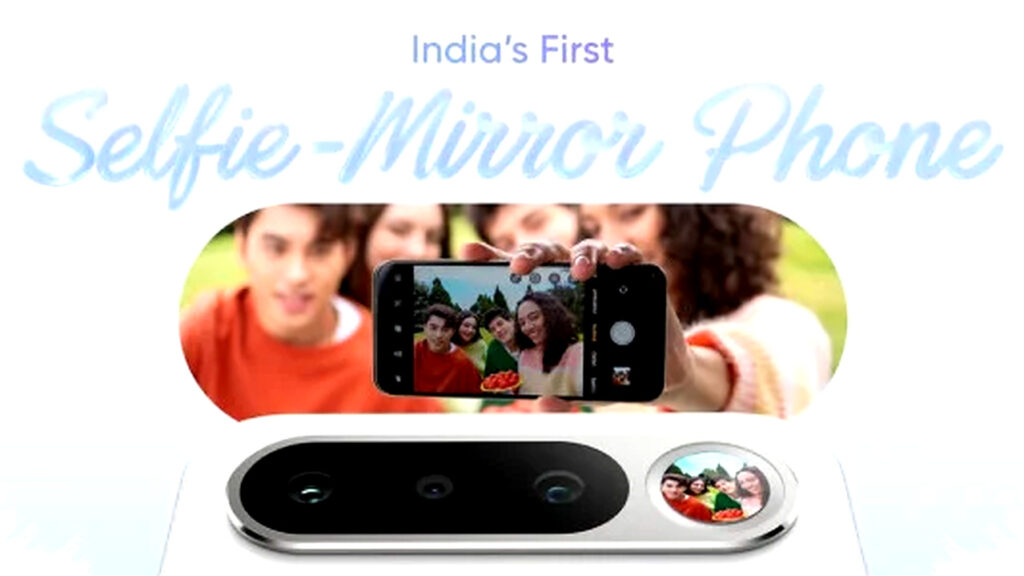
Realme is preparing to bring the Realme 16 to India soon, and the phone is already drawing attention for one unusual feature: a built-in rear mirror for selfies. The company has promoted it as India’s first “selfie mirror” smartphone, a design choice that aims to improve selfie quality by letting users shoot with the main camera instead of relying only on the front lens.
The device is not entirely new in global markets. Realme first introduced the Realme 16 in Vietnam in January 2026, and the Indian launch will extend the lineup that already includes the Realme 16 Pro and Realme 16 Pro+. For buyers watching the under-$250 segment, the phone could stand out because it combines a large battery, a 120Hz AMOLED display, and a camera layout that tries to do something different from most mid-range phones.
A mirror on the back changes the selfie experience
The most visible selling point is the mirror placed near the rear camera module. Realme positions it as a practical tool for people who want sharper selfies, since the rear camera generally delivers better detail and color than a front-facing camera.
That idea is simple, but it may appeal to a broad audience in India, where social media use and video sharing remain central to smartphone buying decisions. The mirror also gives the phone a distinct identity in a crowded category, where many models compete on similar display, battery, and chipset combinations.
Design language that feels familiar, but not ordinary
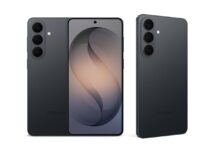
Realme 16 uses a horizontal camera island, which gives it a look that may remind some users of recent Google Pixel and iPhone designs. Realme adds its own twist through the mirror element, making the rear panel more functional rather than purely decorative.
This kind of design strategy matters in the mid-range segment because buyers often compare phones by appearance as much as by raw specifications. A product that looks unique can gain more attention online, especially on platforms that reward visual novelty.
Confirmed specifications from the Vietnam launch
Realme has not yet fully detailed the Indian variant, but the Vietnam launch gives a strong picture of what to expect. The core hardware suggests a phone aimed at users who want balanced performance rather than flagship-level power.
- 6.57-inch AMOLED display
- FHD+ resolution
- 120Hz refresh rate
- Up to 1,400 nits peak brightness
- Android 16 with Realme UI 7
- In-display optical fingerprint sensor
The display specs should put the Realme 16 in a comfortable position for streaming, gaming, and general daily use. The brightness figure also matters for outdoor visibility, which is one of the most practical concerns for buyers in a market with strong daylight use.
Performance built for the mid-range crowd
Under the hood, the Realme 16 runs on the Dimensity 6400 Turbo chipset. Realme is targeting stable mid-range performance with this chip, which should be enough for common tasks, multitasking, entertainment, and less demanding games.
In Vietnam, the phone launched with up to 12GB of LPDDR4x RAM and up to 256GB of UFS 2.2 storage. It also uses a hybrid SIM slot, so users can expand memory with a microSD card if needed.
That combination is useful for people who store large media files, especially since the phone’s camera features may encourage more photo and video capture. In a segment where storage expansion is becoming less common, the microSD option adds another practical advantage.
Battery life looks like a major strength
One of the strongest hardware claims around the Realme 16 is its 7,000mAh battery. That capacity is larger than what many mid-range competitors offer, and it should help the phone last through heavy daily use.
The phone also supports 60W fast charging, which should reduce downtime for users who rely on their device throughout the day. Realme also includes reverse charging, allowing the phone to work as a power source for accessories or another device in an emergency.
For many buyers, battery life remains a key decision factor, especially in markets where power backup and long screen-on time matter. Realme seems to understand that demand and has built the device around endurance as much as brand appeal.
Camera setup focuses on the essentials
The rear mirror gets the headlines, but the rest of the camera system is also important. Realme 16 comes with a 50-megapixel front camera for selfies and video calls, while the rear setup includes a 50-megapixel main camera using the Sony IMX852 sensor and a 2-megapixel secondary lens.
That rear sensor can be especially relevant because the selfie mirror encourages users to shoot with the back camera. In theory, that should deliver better image quality than a standard front-facing shooter in many situations, particularly in low light or when detail matters.
Here is the camera hardware at a glance
| Camera | Specification |
|---|---|
| Front camera | 50MP |
| Main rear camera | 50MP Sony IMX852 |
| Secondary rear camera | 2MP |
| Special feature | Rear selfie mirror |
The photograph-focused branding gives Realme a strong talking point in a mid-range market where camera labels are often similar across brands. The mirror mechanism itself may not change image processing, but it changes how users interact with the camera system.
Extra features add value beyond the basics
Realme also includes several extras that can improve day-to-day use. The phone has dual speakers for better stereo sound, which should help with gaming and video playback.
It also carries a 6,050mm² cooling system designed to keep temperatures stable during heavier workloads. That is especially useful for long streaming sessions, sustained gaming, or charging while using the phone.
Durability is another area where Realme makes a bold claim. The Realme 16 is said to carry IP66, IP68, and IP69K ratings for dust and water resistance, a rare combination in this price class.
Expected India pricing and market position
Realme is expected to price the phone under Rs 20,000 in India, which places it in a highly competitive category. Converted directly, that means the phone should sit below roughly $240, depending on exchange rates at the time of launch.
That pricing would make the Realme 16 appealing to users who want a large battery, fast charging, a 120Hz AMOLED display, and a distinctive camera feature without moving into upper mid-range territory. It also puts pressure on rival brands that rely on more conventional designs and more modest battery capacities.
Why the Realme 16 could matter in India
The Indian smartphone market often rewards devices that offer a clear reason to exist, not just a standard spec sheet. Realme seems to understand that pattern, and the selfie mirror gives the Realme 16 a strong identity in an otherwise crowded segment.
If Realme keeps the Vietnam specifications for India, the phone could become one of the more interesting sub-$250 launches of 2026. The combination of an unusual selfie concept, a 7,000mAh battery, a 120Hz AMOLED screen, and IP-rated durability gives the Realme 16 a profile that could attract both practical buyers and trend-focused shoppers alike.