


If you are looking for an affordable tablet in the $60–$100 range, March 2026 still offers several solid options for daily use. These devices are not built for heavy gaming or professional editing, but they can handle online learning, light work, reading, browsing, and entertainment with acceptable stability.
The appeal is simple: tablets in this price class now come with larger screens, practical battery life, and enough performance for common tasks. Based on the reference article and current market positioning, here are five budget tablets that stand out for users who want value without spending much.
Why budget tablets still make sense in 2026
Budget tablets have become more relevant because many users no longer need a full laptop for everything. For note-taking, video calls, streaming, and casual productivity, a tablet can be easier to carry and cheaper to maintain.
In the entry-level segment, buyers usually prioritize display size, basic performance, and brand reliability over premium features. That is why models from Advan, Huawei, Samsung, Evercoss, and Lenovo still attract attention in the affordable category.
1. Advan Tab VX Lite
Advan Tab VX Lite remains one of the most practical choices for users who want a large screen at a low price. The reference material highlights its spacious display and stable daily performance, which makes it suitable for online classes and routine use.
This model fits students and casual users who need a device for learning platforms, video streaming, and document viewing. Its main advantage is value, since it delivers a usable experience without pushing the budget too far.
2. Huawei MatePad T8
Huawei MatePad T8 is a compact tablet designed for light and simple tasks. The source describes it as lightweight and easy to carry, making it a good option for reading, browsing, and basic entertainment.
The 8-inch class form factor is useful for users who want something smaller than a standard tablet. It works best for those who value portability and only need enough power for everyday apps.
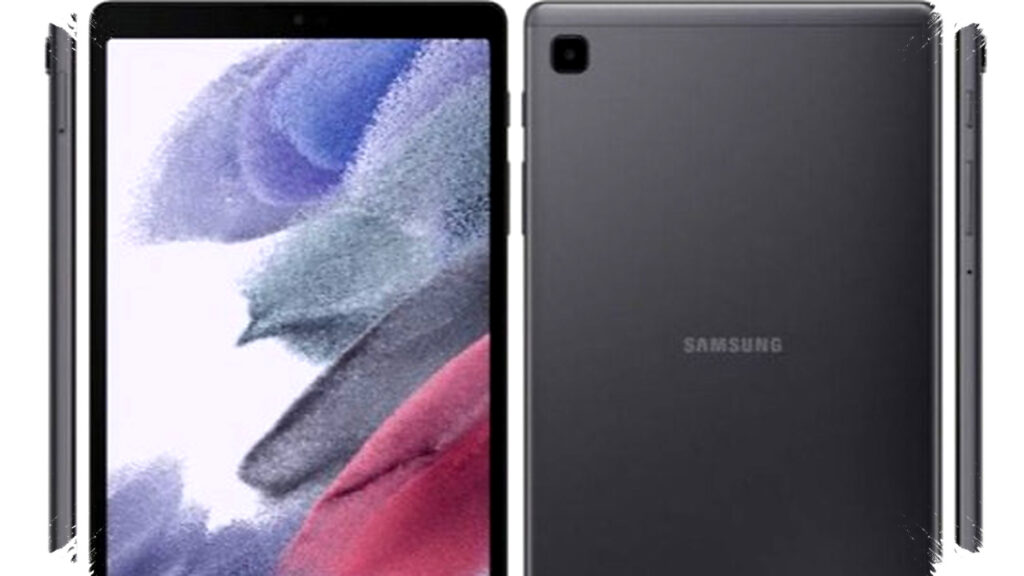
3. Samsung Galaxy Tab A7 Lite
Samsung Galaxy Tab A7 Lite stands out because of its solid build quality and stable ecosystem. According to the reference, the screen is comfortable for media consumption, which is important for users who spend more time watching than typing.
Samsung also brings stronger brand trust in this segment, especially for buyers who want a familiar interface and long-term usability. While it is still an entry-level device, the overall feel is often considered more refined than many no-name alternatives.
4. Evercoss Tab 10
Evercoss Tab 10 targets users who want a larger display without crossing into a higher budget. The reference notes that it offers a big screen at an affordable price, which makes it appealing for video playback and light entertainment.
This kind of tablet is typically chosen by families, students, or first-time tablet buyers. It is best for basic needs where screen size matters more than raw performance.
5. Lenovo Tab M7
Lenovo Tab M7 is another compact option built for mobility. The source describes it as light and easy to bring around, which makes it suitable for users with active routines.
Its performance is enough for daily lightweight tasks such as reading, messaging, and checking content online. For people who want a small tablet for travel or short usage sessions, Lenovo Tab M7 remains a sensible pick.
Quick comparison of the 5 tablets
| Tablet | Main Strength | Best For |
|---|---|---|
| Advan Tab VX Lite | Large screen and stable basic performance | Online learning and everyday use |
| Huawei MatePad T8 | Compact and lightweight design | Reading and browsing |
| Samsung Galaxy Tab A7 Lite | Solid build and reliable ecosystem | Media consumption and casual use |
| Evercoss Tab 10 | Big screen at an affordable price | Video watching and basic entertainment |
| Lenovo Tab M7 | Small, light, and easy to carry | Mobility and light daily tasks |
What buyers should expect from tablets in this price range
Tablets around $60–$100 are best understood as practical tools, not performance machines. They are generally suitable for web-based work, school applications, streaming services, and light productivity, but they are not ideal for demanding multitasking or advanced creative work.
Buyers should also pay close attention to software support, RAM capacity, storage, and battery endurance before choosing one. In an affordable segment, small differences in usability can matter more than raw specifications on paper.
Who should buy a 1-million-rupiah tablet equivalent in March 2026
This category is most appropriate for students, parents buying devices for children, and users who need a secondary screen. It also fits shoppers who want a simple device for reading ebooks, joining online meetings, or watching videos at home.
If portability matters most, smaller models like Huawei MatePad T8 and Lenovo Tab M7 make more sense. If screen size is the priority, Advan Tab VX Lite and Evercoss Tab 10 become stronger options for longer viewing sessions.
What makes these tablets relevant now
The budget tablet market in 2026 is still shaped by practicality and price sensitivity. Many consumers are looking for devices that can replace a notebook for simple tasks without paying laptop-level prices.
That is why products like Samsung Galaxy Tab A7 Lite still matter, even in a market filled with newer devices. Brand reliability, stable software experience, and enough power for everyday use continue to drive buying decisions in the low-cost tablet segment.
For shoppers comparing options in this range, the real decision usually comes down to screen size, portability, and trusted ecosystem support. Those three factors often matter more than premium extras when the goal is simply to get a tablet that is cheap, usable, and fast enough for daily life.