Samsung is pushing its Galaxy ecosystem deeper into business use in 2026, and the most practical shift may come from its newest foldable devices. For professionals who want a compact device that can handle emails, presentations, video calls, and multitasking on the move, the latest Galaxy Fold lineup is starting to look more like a mini laptop than a traditional phone.
That change is not only about hardware design. It also reflects Samsung’s broader strategy in 2026, which combines AI, foldables, XR, and connected wearables into one ecosystem that can support productivity across different devices.
A foldable built for work, not just entertainment
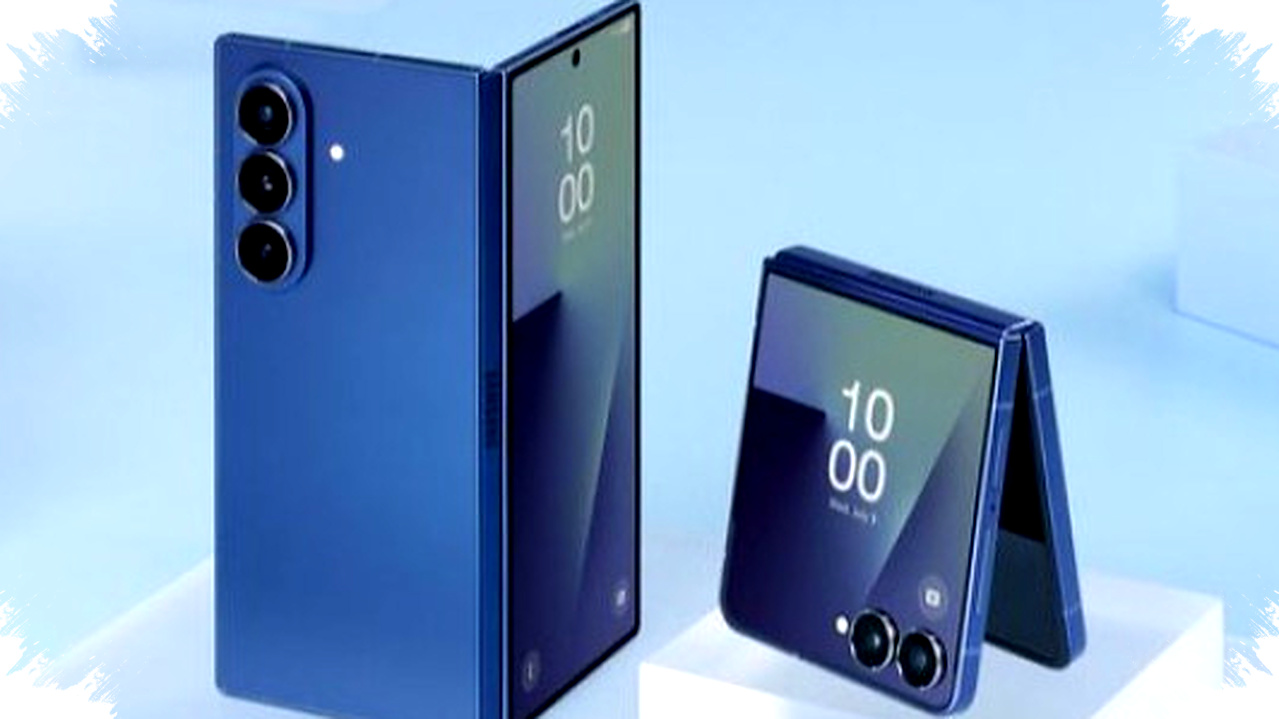
Samsung’s 2026 roadmap shows a clear focus on turning mobile devices into flexible productivity tools. The Galaxy Z Fold 8, which is expected to continue Samsung’s premium foldable line, is projected to bring a larger battery of up to 5,000 mAh and faster 45W charging, addressing one of the most common complaints from power users.
The company has also started pushing higher-end camera hardware into foldables, with 200MP imaging appearing in its latest direction. For business users, that matters because the device is no longer only a phone for calls and messaging, but also a tool for document scanning, field reporting, and high-quality content creation.
Why the Galaxy Fold feels like a mini laptop
The main reason the latest Galaxy Fold appeals to business users is simple: screen space changes how people work. A foldable can open into a tablet-sized display for split-screen tasks, while still closing into a pocketable device that is easier to carry than a laptop.
In practice, that means users can edit a spreadsheet, answer a client message, and join a video meeting without switching devices. Samsung has spent years refining this form factor, and in 2026 the experience is becoming more mature, with better multitasking support and stronger integration across the Galaxy ecosystem.
What Samsung is adding in 2026
Samsung’s 2026 strategy extends beyond foldables, and that matters because the value of a Galaxy Fold is stronger when it works with other connected products. The company has officially moved forward with Galaxy XR, a mixed reality device running Android XR, and has also confirmed development of AI-powered smart glasses with Google and Qualcomm.
All of these products point to the same direction. Samsung is building an environment where a phone, foldable, headset, and wearable can share tasks and context, which is useful for professionals who move between office work, travel, and remote collaboration.
Key business-friendly upgrades Samsung is emphasizing
- Larger batteries for longer work sessions.
- Faster charging to reduce downtime during travel.
- More advanced AI features for contextual assistance.
- Deep integration across Galaxy smartphones, tablets, and wearables.
- Foldable displays that support multitasking like a compact workstation.
These upgrades matter because business users usually care less about gimmicks and more about consistency, battery life, and speed under pressure. Samsung appears to be answering that demand by improving both the foldable hardware and the software layer around it.
AI is becoming the real productivity engine
Samsung is no longer presenting Galaxy devices as standalone products. In 2026, Galaxy AI plays a central role in the user experience, and that includes helping users manage information faster, generate summaries, and switch between tasks with less friction.
For executives, consultants, sales teams, and entrepreneurs, this can save time in small but meaningful ways. An AI assistant that understands context can help draft replies, organize notes after calls, and surface relevant files without forcing users to dig through multiple menus.
How it compares with a traditional laptop
A foldable will not replace a full laptop for everyone, especially for users who need heavy typing, coding, or advanced desktop software. But for many business tasks, the latest Galaxy Fold can cover a surprising amount of daily work, especially when paired with a keyboard, cloud apps, and wireless accessories.
Here is a simple comparison:
| Task | Galaxy Fold | Mini laptop |
|---|---|---|
| Email and chat | Very efficient | Efficient |
| Document review | Strong | Strong |
| Multitasking | Strong on large screen | Strong |
| Portability | Excellent | Good |
| Heavy workstation work | Limited | Better |
This is why the foldable is increasingly seen as a hybrid device. It can act as a primary screen for quick business operations and a secondary productivity tool when users do not want to carry a full laptop.
The business case for foldables in 2026
The business value of a Galaxy Fold is not just about convenience. It is about speed, flexibility, and the ability to work in more places without a full mobile office setup.
Traveling executives can review presentations on a larger screen. Sales teams can show product materials directly to clients. Content creators can edit drafts, manage social media, and join meetings from one device. For small business owners, the foldable form factor can reduce the need to switch between phone, tablet, and laptop throughout the day.
Samsung’s ecosystem strategy makes the difference
Samsung’s approach in 2026 is important because the company is not treating the foldable as an isolated flagship. The Galaxy S26 series, Galaxy XR headset, and upcoming Galaxy Glasses all point to a connected platform that could make business workflows smoother.
The Galaxy S26 Ultra launched in March 2026 with Snapdragon 8 Elite Gen 5 and up to 200MP camera hardware, showing Samsung’s continued investment in high-end mobile performance. That same emphasis on premium hardware and AI also supports the foldable line, where users want desktop-like comfort in a portable shape.
Why professionals are paying attention now
The latest foldable generation is arriving at a time when mobile work has become normal across industries. People expect faster access to dashboards, documents, messaging, and cloud tools, and they want that access without carrying bulky devices.
Samsung’s 2026 foldables fit that demand because they combine premium design with practical features. The larger display helps users stay productive, while the battery and charging improvements respond to real-world needs that matter during business travel and long workdays.
As Samsung continues to connect foldables with XR and AI wearables, the Galaxy Fold is moving closer to the role of a compact business hub, giving professionals a device that can manage work tasks, support communication, and adapt to different contexts throughout the day.