


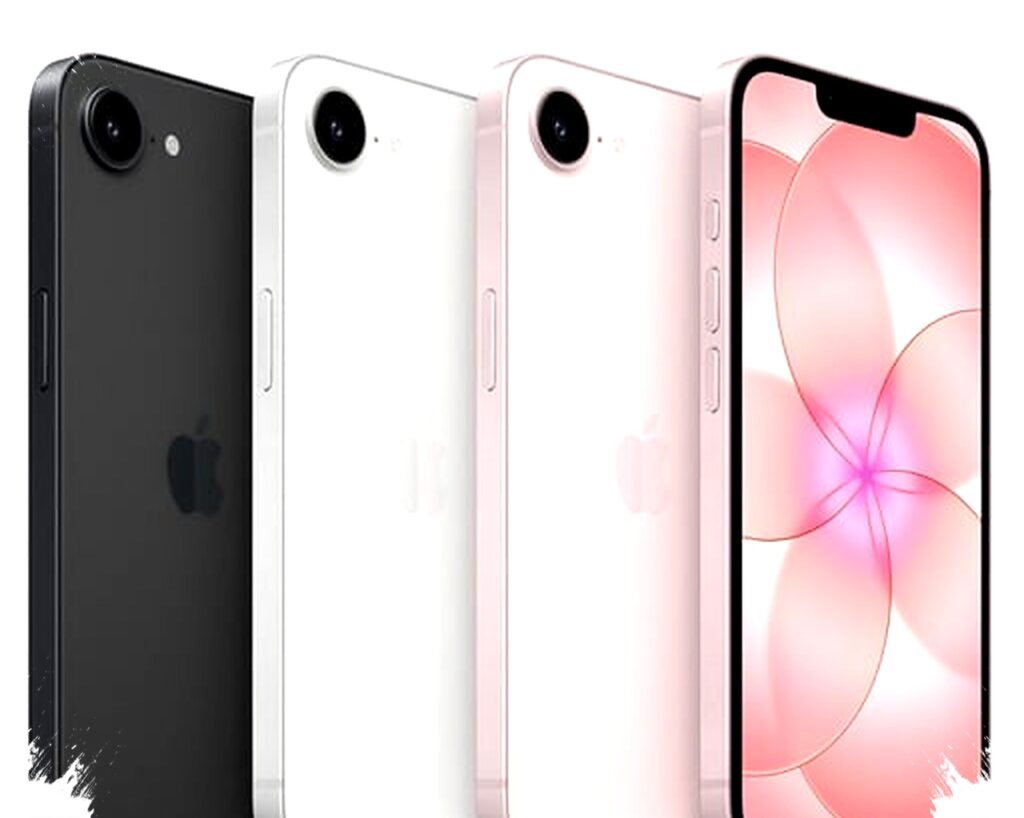
Apple is helping push the smartphone industry toward a portless future, where charging and data transfer rely on wireless systems instead of physical connectors. The shift is gaining attention because it combines industrial design, durability, and ecosystem control in one strategic move.
This direction is not yet a mass-market standard, but it is becoming more realistic as wireless charging improves and cloud-based data transfer becomes more common. Apple’s MagSafe system has already made the company’s ecosystem more comfortable with cable-free accessories and charging, which is why many analysts see Apple as one of the clearest drivers of this trend.
Why portless phones are becoming a serious idea
A smartphone without a charging port removes one of the most familiar hardware features from the device. That change could make phones slimmer in design, easier to seal against dust and water, and simpler for users who already depend heavily on wireless tools.
The reference article notes that Apple is moving in the same direction as other major brands, including Xiaomi and Samsung, which have also explored port-free concepts in recent years. This broader industry interest suggests the idea is no longer experimental fantasy, but part of a real design conversation among top manufacturers.
Apple’s approach fits well with its wider strategy. The company has spent years building an ecosystem where AirPods, Apple Watch, MagSafe accessories, iCloud, and wireless pairing all work together with limited friction.
How a portless smartphone would work
A portless phone depends on two core technologies: wireless charging and wireless data transfer. Wireless charging uses electromagnetic induction, where energy moves from a charging pad or puck to the device without metal contacts.
Data transfer also shifts away from cables, with Wi-Fi, Bluetooth, and cloud services handling sync and file sharing. In practice, that means users would charge, back up, and move content with fewer physical connections than they use today.
- Wireless charging replaces the cable-based charge cycle.
- Cloud storage reduces the need for local file transfers.
- Bluetooth and Wi-Fi handle short-range and device-to-device communication.
- Magnetic accessories can help keep the handset aligned during charging.
- Software ecosystems become more important than hardware ports.
That model is already visible in parts of the modern smartphone experience. Many users now stream music, store photos in the cloud, and sync messages across devices without thinking about cables, which lowers one of the biggest barriers to a phone with no port.
Apple’s role in shaping consumer behavior
Apple has often done more than follow hardware trends. The company has a history of removing legacy parts when it believes the ecosystem can support a cleaner design, even when the decision is controversial at first.
The company dropped the headphone jack from the iPhone lineup years ago, and that move helped normalize wireless audio for millions of users. A similar pattern could happen with charging ports if Apple decides the market is ready and the wireless experience is strong enough.
MagSafe matters here because it is not just a charger. It also supports a growing set of accessories and creates a familiar magnetic snap-on experience that can make wireless charging feel more reliable and repeatable.
For Apple, this is also about product strategy. A portless iPhone would depend more heavily on services, accessories, and platform integration, which strengthens the company’s ecosystem lock-in while simplifying the device itself.
The upsides for design and durability
Removing the charging port offers several clear hardware benefits. Without an open connector, the phone has fewer weak points where water, dust, and lint can enter the body.
That can improve durability and help manufacturers design toward higher protection standards. It may also free internal space for other components such as a larger battery, better thermal management, or more advanced sensors.
The move could also support a cleaner industrial design. Many flagship phones already aim for smooth edges and minimal visible openings, so eliminating the port would extend that aesthetic in a logical way.
The limits that still matter
The biggest obstacle is performance. Wireless charging is still generally less efficient than wired charging, and it can take longer to refill a battery, especially if the user wants fast top-ups during a busy day.
There is also some energy loss in the transfer process, which makes wireless charging less efficient overall. That is one reason why cable charging remains dominant, especially for power users who care about speed and convenience.
User habits are another challenge. A fully portless phone would require people to adopt wireless charging pads, magnetic docks, and cloud-first workflows more consistently than they do today.
What regulators and the market may do next
The trend also enters a complicated policy environment. The European Union has pushed hard for USB-C standardization to reduce electronic waste and make charging more uniform across devices.
That creates an interesting tension. On one hand, regulators want fewer fragmented charging standards. On the other hand, a fully portless phone could eventually reduce the need for charging connectors altogether if wireless infrastructure becomes mature enough.
Some companies may try a middle path first. They could keep the port for emergency use while pushing everyday charging and syncing toward wireless methods, which would let consumers adjust gradually.
What could accelerate the shift
Several market conditions could make portless phones more viable over the next few years. Faster wireless charging, better thermal control, stronger magnetic alignment, and wider adoption of cloud services would all help.
- Wireless charging must become faster and more efficient.
- Accessories need to be affordable and widely available.
- Cloud storage must feel safe, seamless, and practical.
- Users must trust wireless methods for daily power needs.
- Regulators must adapt to a new hardware reality.
Apple’s influence matters because the company can push adoption by changing expectations. When Apple removes a connector, changes its charging method, or makes an accessory category central to the experience, the wider market often follows over time.
That is why the idea of a smartphone without a charging port is no longer just a design concept. It is becoming a strategic direction tied to wireless ecosystems, consumer behavior, and the future of mobile hardware.