If you are shopping for a premium tablet ahead of Eid and your budget sits in the $400 to $450 range, two models stand out for 2026: the Huawei MatePad 11.5 and the Xiaomi Pad 8. Both target users who want more than a basic tablet, because each one comes with a keyboard bundle and enough power for work, study, and entertainment.
This price segment is attractive because it moves beyond entry-level compromises. Instead of focusing only on display size or battery life, buyers can now expect better productivity tools, stronger processors, and accessories that reduce extra spending.
Why this price range is worth attention

Tablets in the $400 to $450 category usually offer a much better balance between performance and convenience. For many users, that extra investment matters because it can replace a laptop for light tasks while still staying portable.
The Eid shopping season also makes this segment more interesting, since many sellers bundle keyboards or stylus pens at no extra cost. That matters for buyers who want a complete package without buying accessories separately.
1. Huawei MatePad 11.5: built for creative work
Huawei MatePad 11.5 is one of the strongest options if your main use involves drawing, note-taking, and document editing. The 2026 version comes with both a keyboard and a stylus in the box, which adds clear value for users who want to start working right away.
The bundle is not just a marketing bonus, because both accessories are described as premium in feel. The keyboard is comfortable for typing, while the stylus supports wireless charging and gives a more polished writing experience.
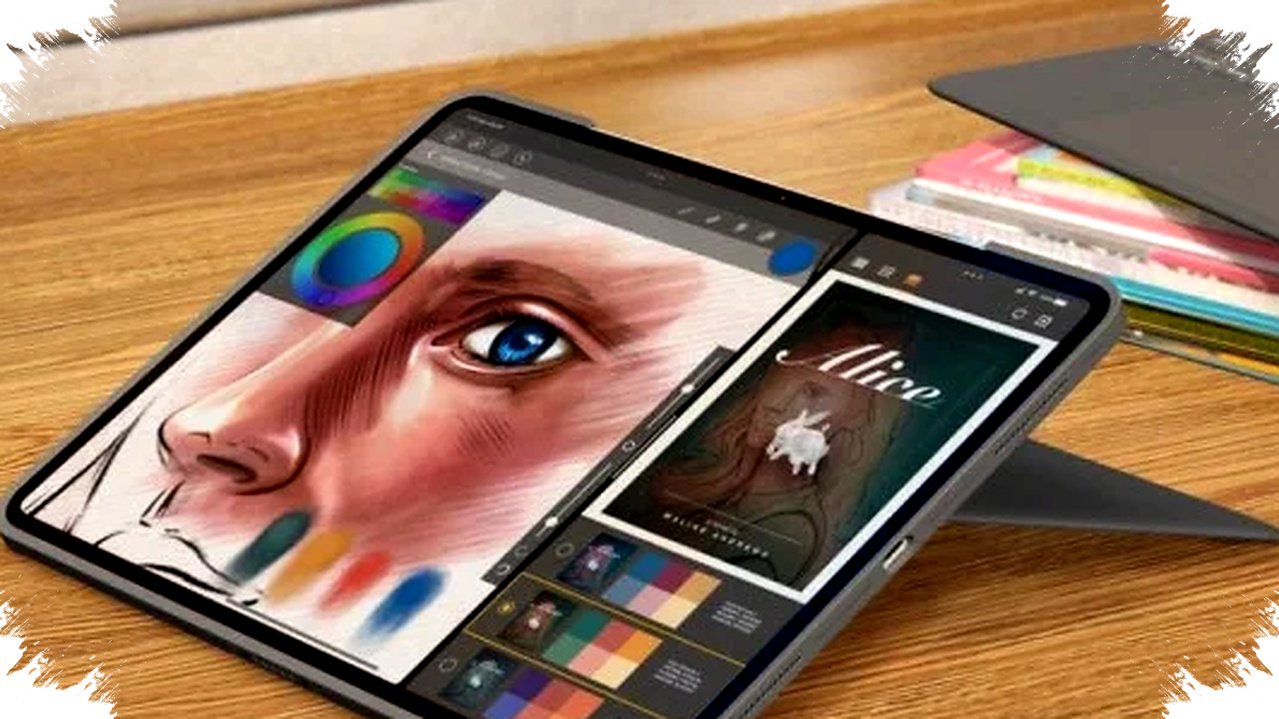
Huawei also includes a free drawing app called GoPaint, which is positioned as a strong alternative for digital artists. The source article describes it as close to Procreate in detail and features, making the tablet especially appealing to creative users who do not want to pay for a separate drawing app.
For office work, the tablet supports WPS PC desktop mode, which gives a fuller layout than a regular mobile writing app. That makes multitasking easier for students, freelancers, and professionals who need a more desktop-like workflow during travel or at home.
Key strengths of Huawei MatePad 11.5
- Keyboard and stylus included in the bundle.
- GoPaint app available for creative drawing tasks.
- WPS PC desktop version supports productivity work.
- Stylus supports wireless charging for easier daily use.
The main caution is app compatibility, especially for users who depend heavily on Google services. Some Google apps cannot be installed, and the article notes that Google Maps may also behave inconsistently in certain cases.
That limitation matters most for users who rely on the full Android ecosystem. If your workflow depends on specific Google apps or third-party software built around them, you should check compatibility before buying.
2. Xiaomi Pad 8: strongest performance in the group
Xiaomi Pad 8 is the newer and most expensive model in this list, priced at around $420. It also comes with a keyboard included, which makes the offer more attractive for users who want both speed and productivity in one purchase.
Its hardware is a major selling point. The tablet carries 8 GB of RAM and 256 GB of storage, while its processor reportedly scores above 2 million on AnTuTu, which signals serious performance for gaming and multitasking.
That level of power makes Xiaomi Pad 8 more suitable for users who want a fast Android tablet. Heavy games run smoothly, and Xiaomi’s HyperOS is described as mature and polished, which helps everyday navigation feel more refined.
The tablet also supports Dex Mode-style multitasking with a layout that resembles a MacBook workspace. For buyers who want a tablet that can behave more like a laptop during work sessions, that feature can be a major advantage.
Main advantages of Xiaomi Pad 8
- High-performance chip with AnTuTu score above 2 million.
- 8 GB RAM and 256 GB storage for heavier usage.
- Keyboard included at purchase.
- Desktop-style Dex Mode for better productivity.
There is one important trade-off, though. Xiaomi Pad 8 does not include a microSD slot, so users must manage the built-in storage carefully from the start.
For people who store many large files, games, offline videos, or design assets, this limitation may affect long-term convenience. Buyers should consider whether 256 GB is enough for their typical usage pattern before choosing it.
Which tablet fits which type of user?
If your priority is creative work, sketching, handwriting, and tablet-first productivity, Huawei MatePad 11.5 looks more specialized. The free GoPaint app and the bundled stylus make it the more natural choice for artists and note-heavy users.
If you care more about raw speed, game performance, and a more open Android environment, Xiaomi Pad 8 is the stronger all-around performer. It feels more powerful on paper and offers a desktop-like experience that many users will appreciate for mixed work and entertainment.
Quick comparison
| Model | Approx. price | Free bundle | Best for | Main drawback |
|---|---|---|---|---|
| Huawei MatePad 11.5 | $400+ | Keyboard + stylus | Drawing, notes, productivity | Limited Google app support |
| Xiaomi Pad 8 | about $420 | Keyboard | Performance, gaming, multitasking | No microSD slot |
For Eid buyers, the most important question is not which tablet looks more expensive, but which one matches daily use. A creative user will likely get more value from Huawei’s drawing tools, while a power user will probably prefer Xiaomi’s faster hardware and broader Android flexibility.
The best move is to match the tablet to your habits, because both models already include the keyboard bonus that makes this budget range feel more complete. If you want a premium Eid purchase that can handle work in the morning and entertainment at night, these two tablets are among the most practical choices in the $400 to $450 bracket.