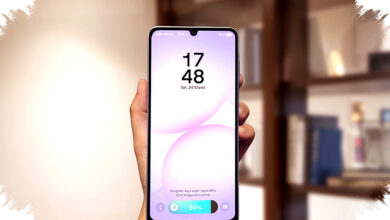
Vivo X300s is positioning itself as a premium photography phone that blends a distinctive design with flagship-grade hardware. The device stands out most through its elegant two-tone finish, especially the Film Green variant, which gives the handset a refined and unusual look in a market crowded with similar glass slabs.
The phone’s design direction clearly aims at users who value both style and camera identity. Its rear camera module is shaped to resemble a professional camera layout, reinforcing the idea that the Vivo X300s is built first and foremost for imaging enthusiasts.
A Premium Look Inspired by Classic Cameras


Vivo leans into a camera-inspired aesthetic rather than a purely minimalist one. The rear module is made to look like a true imaging device, and the two-tone back panel adds depth that helps the phone stand out from standard single-color rivals.
The combination of glass and metal frame also strengthens the premium feel. The body is slim, the edges are softly curved, and the overall shape is designed to sit comfortably in the hand despite the device’s large footprint.
This approach matters because smartphone buyers in the premium segment often look for a device that feels special before they even open the camera app. Vivo appears to understand that design can be a major part of the purchase decision, especially for users who post content online and want their phone to reflect that creative identity.
Camera Hardware Takes the Lead
The main appeal of the Vivo X300s lies in its imaging system. According to the reference material, the phone uses a 200 MP main sensor paired with Zeiss optics, a combination aimed at producing sharp detail, natural color output, and lower distortion.
Vivo also adds AI-based image processing to manage exposure, contrast, and noise reduction. That matters in everyday use because strong camera hardware alone does not guarantee good results, especially in low-light scenes where software plays a major role.
The phone does not stop at the primary lens. It also includes an ultra-wide camera for broader scenes and a telephoto lens with optical zoom, allowing users to capture distant subjects without the same level of detail loss seen in digital zoom.
- 200 MP main sensor for high-detail shots
- Zeiss lens partnership for improved color and optics
- Ultra-wide lens for landscapes and group photos
- Telephoto lens for optical zoom
- AI processing for better low-light and exposure control
Night mode, portrait bokeh, and stabilized video recording are also highlighted as part of the camera package. These features make the device more versatile for users who switch between still photography, social content, and handheld video capture.
Flagship Performance for Creative Work
The Vivo X300s is not only about camera hardware. It is powered by the Snapdragon 8 Gen 4, which places it in the top tier of Android performance. Qualcomm’s chip uses a 3nm manufacturing process, which is intended to improve efficiency while also raising overall speed.
That chipset is supported by Adreno graphics, LPDDR5X RAM, and UFS 4.0 storage. In practical terms, this combination should help reduce app loading times, improve multitasking, and support heavy workloads such as gaming, photo editing, and AI-driven features.
The reference material also notes an upgraded vapor chamber cooling system. That is an important detail because sustained performance matters on a premium device used for long camera sessions, 4K-style recording, or extended gaming.
Display Built for Visual Accuracy
The screen specification also fits the premium positioning. Vivo X300s is described as using a 6.78-inch AMOLED panel with 2K resolution, which should deliver sharp text and detailed imagery.
A 144Hz refresh rate makes scrolling, gaming, and app transitions feel smooth. That is especially useful for creators who move quickly between the camera app, gallery, editing tools, and social platforms.
The display is also said to reach more than 3000 nits of brightness. In real-world use, that should help visibility under direct sunlight, while HDR10+ support and a wide color gamut are meant to make video playback and photos look more cinematic.
Security and Privacy Features Add Practical Value
Vivo also places emphasis on device protection. The phone includes an under-display fingerprint sensor and AI-based face unlock with 3D facial scanning, both of which aim to balance convenience with security.
The Secure Enclave stores sensitive data such as passwords and biometrics separately from the main system. That kind of architecture is important in premium devices, where users often store personal media, payment details, and work-related assets.
The software package also includes App Lock, Hidden Folder, and a Privacy Dashboard. These tools let users control app permissions for the camera, microphone, and location, which fits the expectations of modern smartphone users who are more aware of data protection.
What the Vivo X300s Looks Like as a Photography Flagship
The overall identity of the Vivo X300s can be understood as a mix of style, imaging, and flagship performance. Its design language borrows from classic cameras, while its hardware aims to serve users who want a phone that can take over as their primary creative tool.
In summary form, the phone’s key strengths are easy to map:
| Area | Key Highlight |
|---|---|
| Design | Two-tone Film Green finish, camera-inspired module |
| Camera | 200 MP main sensor, Zeiss optics, AI processing |
| Zoom | Telephoto lens with optical zoom |
| Performance | Snapdragon 8 Gen 4, LPDDR5X, UFS 4.0 |
| Display | 6.78-inch AMOLED, 2K, 144Hz, 3000+ nits |
| Security | Fingerprint, 3D face unlock, Secure Enclave |
The Vivo X300s shows how smartphone makers continue to refine the premium formula by combining standout design with high-end imaging. For buyers who treat the phone as both a lifestyle object and a creative workhorse, the two-tone finish and camera-first hardware could make it one of the more distinctive releases in its segment.