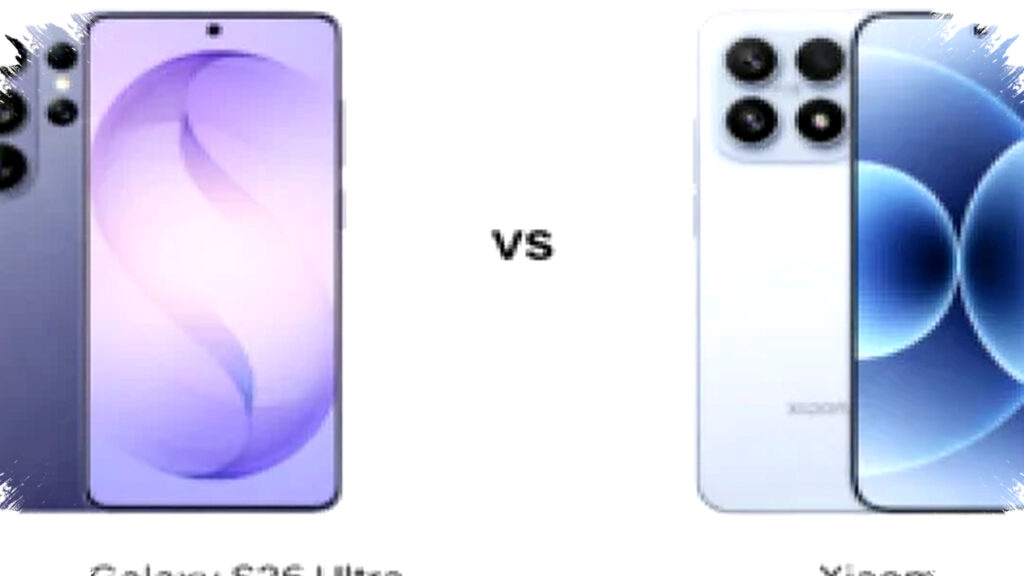
Samsung Galaxy S26 Ultra and Xiaomi 17 are shaping up to be one of the most interesting flagship comparisons of the year. Both phones use Qualcomm’s Snapdragon 8 Elite Gen 5, but they target different buyers with different priorities.
Samsung leans toward productivity, long-term support, and a more complete premium experience. Xiaomi focuses on raw battery life, faster charging, and aggressive pricing that undercuts Samsung by a wide margin.
Two flagships, two very different strategies
The pricing gap is one of the clearest signs that these phones are built for different users. The Samsung Galaxy S26 Ultra is expected to cost around $1,300, while the Xiaomi 17 sits closer to $1,000.
That difference matters because it affects how each company balances design, materials, and feature depth. Samsung appears to be charging for a more polished all-round package, while Xiaomi is pushing hardware value harder than most rivals in the premium segment.
Performance: same chipset, different tuning
On paper, both phones are powered by the Snapdragon 8 Elite Gen 5. That means both should deliver top-tier performance for games, video editing, multitasking, and demanding AI features.
Samsung reportedly tunes the chip more aggressively to improve stability under sustained loads. That approach should help the Galaxy S26 Ultra hold performance more consistently during long gaming sessions or heavy productivity use.
Xiaomi takes a different route by pairing the chip with UFS 4.1 storage and a lightweight HyperOS 3 interface. The result should feel fast in everyday use, especially when opening apps, switching tasks, and browsing through the system.
Display quality and outdoor visibility
Samsung gives the Galaxy S26 Ultra a 6.9-inch LTPO AMOLED display with Gorilla Armor 2. That anti-reflective layer should help the screen stay readable under direct sunlight, which remains one of Samsung’s strongest display advantages.
The phone also keeps a premium build with an aluminum frame and S Pen support. For users who write notes, edit documents, or sketch directly on the screen, this remains a major differentiator.
Xiaomi counters with a display rated at 3,500 nits of peak brightness. It also supports Dolby Vision and includes stronger eye-protection features, which could appeal to users who spend long hours watching content or scrolling at night.
Battery and charging: Xiaomi’s strongest weapon
If battery endurance is the main concern, Xiaomi 17 has the more aggressive spec sheet. It carries a massive 7,000mAh battery, which is significantly larger than what Samsung is offering in this comparison.
The charging speed is just as important. Xiaomi supports 100W fast charging, which can dramatically reduce downtime for users who hate waiting near a plug.
Samsung does not try to win this category on raw numbers. Instead, it relies more on optimization and a balanced power profile, which may still deliver solid runtime but will not match Xiaomi’s headline battery and charging advantages.
Camera approach: zoom power versus practicality
Samsung Galaxy S26 Ultra continues to position itself as the better choice for mobile photography, especially for users who value zoom flexibility. The reported 200MP zoom camera keeps Samsung at the top of the discussion for long-range detail and versatile shooting.
That matters for travelers, content creators, and users who often shoot subjects that are far away. Samsung’s camera strategy is less about flashy battery numbers and more about utility across different shooting situations.
Xiaomi 17 is expected to compete more on the basis of speed, convenience, and overall daily usability rather than on a headline zoom system. That does not make its camera weak, but it does suggest Samsung still has the edge for users who treat the phone as a serious imaging tool.
Software support and ecosystem value
Samsung has one of the clearest long-term advantages in this matchup. The Galaxy S26 Ultra is expected to receive up to seven years of Android and security updates, which gives it strong long-term ownership value.
The company also brings Samsung DeX, which turns the phone into a more desktop-like device when connected to an external screen. For professionals who want a phone that can also support work tasks, that remains a meaningful advantage.
Xiaomi’s HyperOS 3 likely offers a lighter and faster-feeling user experience, but Samsung’s broader ecosystem tends to be more mature. That can matter for users who already own Galaxy tablets, watches, earbuds, or laptops.
Quick spec comparison
| Feature | Samsung Galaxy S26 Ultra | Xiaomi 17 |
|---|---|---|
| Chipset | Snapdragon 8 Elite Gen 5 | Snapdragon 8 Elite Gen 5 |
| Expected price | About $1,300 | About $1,000 |
| Battery | Smaller than Xiaomi | Up to 7,000mAh |
| Charging | Slower than Xiaomi | 100W fast charging |
| Display | 6.9-inch LTPO AMOLED, Gorilla Armor 2 | 3,500 nits, Dolby Vision |
| Software support | Up to 7 years | Not highlighted as strongly |
| Productivity tools | S Pen, Samsung DeX | Focus on speed and efficiency |
Who should choose Samsung Galaxy S26 Ultra
Samsung makes the most sense for users who want a premium phone that can handle work, creativity, and long-term use. The S Pen, DeX support, stable performance tuning, and strong zoom camera make it a more complete productivity device.
It also fits buyers who care about display durability and long software support. If you keep your phone for several years, Samsung’s approach may justify the higher price.
Who should choose Xiaomi 17
Xiaomi 17 is the better fit for users who value battery life, charging speed, and lower cost. The combination of a 7,000mAh battery and 100W charging is hard to ignore, especially at a price around $1,000.
It also looks attractive for users who want flagship performance without paying the highest premium-tier pricing. For many buyers, that simple value equation may be enough to tip the balance toward Xiaomi.
What this rivalry means for the flagship market
The Samsung Galaxy S26 Ultra vs Xiaomi 17 comparison shows how the flagship market has become more segmented. Samsung is selling refinement, support, and a premium work-first identity, while Xiaomi is selling hardware strength and better value per dollar.
That divide gives buyers a clear choice depending on what they prioritize most. If the most important factors are productivity, software longevity, and camera versatility, Samsung looks stronger, but if battery life, charging speed, and price matter more, Xiaomi 17 becomes the more practical option.