Lenovo used ISE 2026 to push its smart meeting-room strategy further, pairing its ThinkSmart Core Gen 2 computing platform with Huddly’s AI-driven audio and video devices. The goal is straightforward: make hybrid meetings easier to run, more consistent across rooms, and less dependent on manual setup.
The new package is built for Microsoft Teams Rooms and Zoom Rooms, and Lenovo says it can scale across different office sizes. That matters because many companies still struggle with fragmented room hardware, complicated cable setups, and inconsistent video quality from one meeting space to another.
A stronger push toward AI-enabled collaboration
Lenovo’s showcase centered on turning traditional meeting rooms into intelligent workspaces that can handle more of the technical load on their own. Marcus Kennedy of Lenovo said the partnership with Huddly helps create an ecosystem that is scalable, simple to manage, and designed to reduce technical complexity for users.
That approach reflects a wider shift in workplace technology. As companies look for better hybrid collaboration tools, the focus is moving from isolated devices toward integrated systems that combine compute, camera, audio, and centralized management.
ThinkSmart Core Gen 2 as the foundation
At the center of the solution is ThinkSmart Core Gen 2, a purpose-built computing device tuned for AI workloads in video conferencing. Lenovo says the unit uses Intel Core Ultra processors with an integrated NPU, which helps support stable performance for meeting tasks that rely on real-time processing.
The hardware is designed to deliver smooth collaboration without noticeable lag or system interruptions. For enterprise IT teams, that kind of reliability matters as more meetings depend on live transcription, intelligent framing, and multi-device coordination.
What Lenovo is offering at ISE 2026
- ThinkSmart Core Gen 2 as the main compute engine.
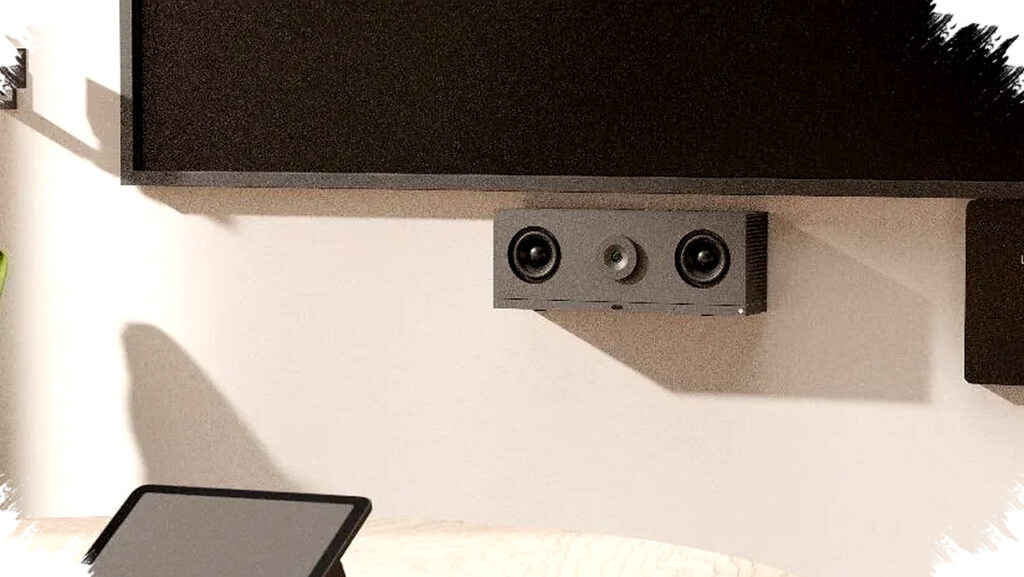
- Huddly C1 videobar for room audio and video capture.
- Huddly Crew add-on cameras for multi-angle coverage in more complex spaces.
- ThinkSmart Manager for centralized device management.
- Support for Microsoft Teams Rooms and Zoom Rooms deployments.
This package positions Lenovo to compete in a category where buyers increasingly want one integrated solution instead of mixing products from multiple vendors. That can lower deployment friction and make long-term maintenance more predictable.
Why Huddly matters in the partnership
Huddly brings a strong AI camera layer to the system, and that is a key part of Lenovo’s pitch. Rósa Stensen, CEO of Huddly, said the collaboration with Lenovo combines powerful computing with AI technology to create autonomous meeting rooms.
The statement points to a broader product direction in the market. Instead of asking employees to adjust camera angles or manually control room equipment, vendors are now building systems that can adapt to the meeting itself.
Video that reacts to the room
The Huddly C1 videobar is designed to respond dynamically to the meeting environment. It can shift between Speaker Mode and Collaboration Mode, so the room can prioritize a single presenter or capture broader group interaction depending on how the discussion unfolds.
The system also uses advanced image processing to keep video clear even when lighting shifts. That is important in real offices, where natural light, overhead fixtures, and changing screen brightness can all affect image quality.
How the cameras are meant to improve hybrid meetings
The most visible advantage of the Lenovo-Huddly setup is how it could improve the experience for remote participants. AI-powered framing and automatic mode switching help distant attendees follow both the speaker and the overall room dynamic more easily.
This matters because hybrid meetings often fail not because of content, but because of poor visibility. When remote users cannot clearly see who is talking, reacting, or presenting, engagement drops quickly.
Why IT teams may pay attention
Lenovo also emphasized physical design and operational practicality. ThinkSmart Core Gen 2 includes built-in cable management to keep rooms tidy, and it is built for 24/7 operation in a range of room temperatures.
The unit also uses a quiet cooling system, which helps it stay hidden in the room without creating distracting noise. Those details are important in boardrooms, huddle spaces, and executive meeting areas where both appearance and silence matter.
The appeal of plug-and-play AI conferencing
The Huddly Crew add-on cameras are meant to handle more complex room layouts. The system automatically selects the best camera perspective by analyzing audience direction and interaction patterns, almost like a virtual director for the meeting.
Even with that more advanced capability, Lenovo and Huddly still position the setup as plug-and-play. That is a meaningful selling point for enterprise buyers who want sophisticated video intelligence without adding more installation steps.
What the market launch timeline means
Lenovo plans to make the premium ThinkSmart and Huddly collaboration package available in the second quarter of 2026. Customers will also be able to tailor the offering to their office or site needs through local sales teams.
That timing places the product in a period where AI conferencing tools are becoming more competitive and more mature. Businesses are no longer just buying cameras and speakers; they are buying room intelligence, management controls, and a platform that can evolve as AI features improve.
Why this launch stands out at ISE 2026
ISE has become one of the most important stages for workplace technology, and Lenovo’s announcement fits the event’s focus on practical innovation. The company is not just adding a new device category. It is building a full-room solution that combines compute, cameras, management, and AI-driven automation into one system.
For organizations upgrading conference spaces in 2026, the Lenovo-Huddly package signals where the market is headed. The next generation of meeting rooms will likely rely less on manual control and more on systems that can detect, adapt, and present the room in a way that feels natural for both in-person and remote participants.