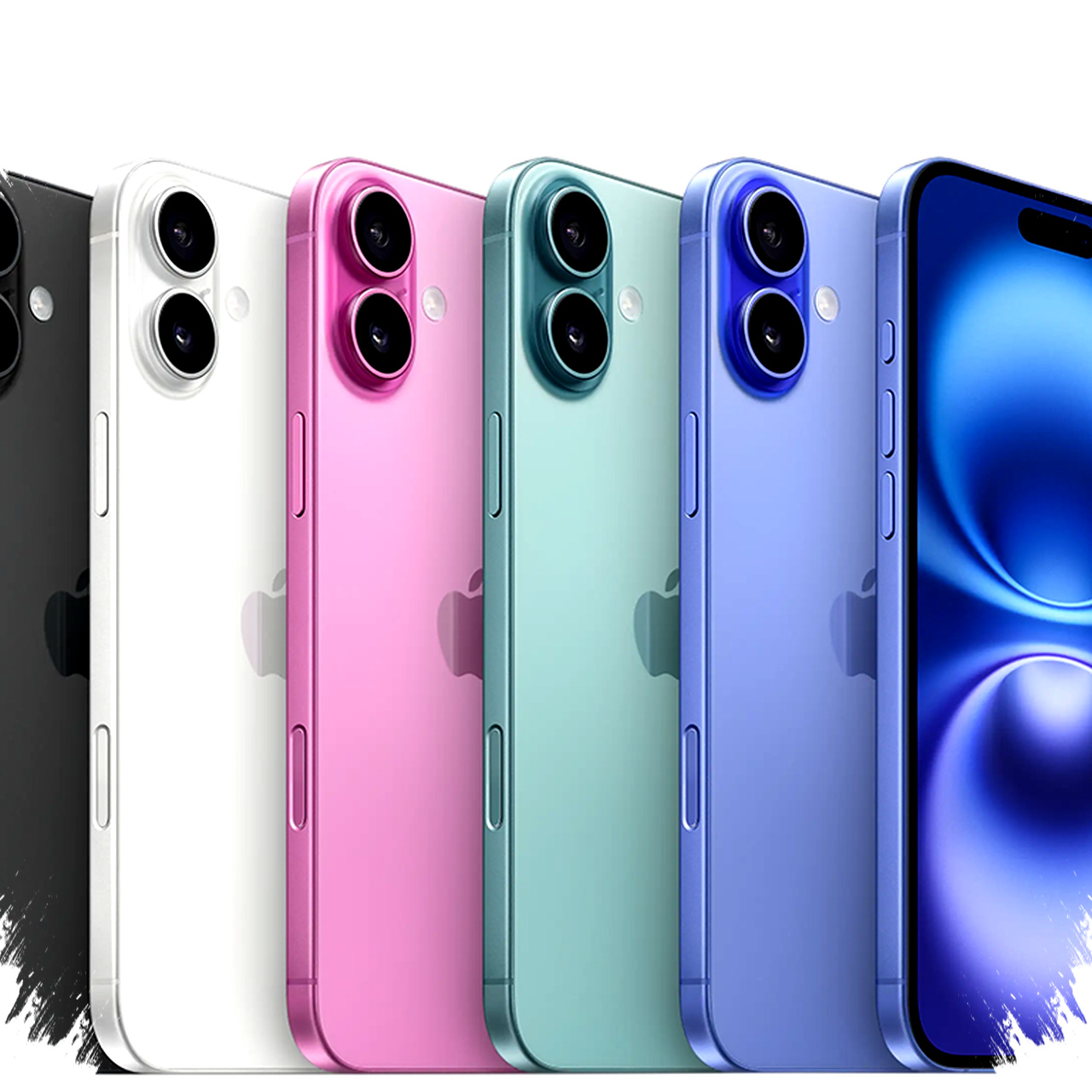
Apple’s iPhone 16 lineup has become noticeably more expensive in Indonesia at the end of March 2026, and the increase is being felt across almost every model. Retail monitoring from official sellers such as iBox and Digimap shows that the latest pricing is now higher than earlier this month, with the sharpest attention still centered on the iPhone 16 Pro Max.
The change matters because the market is not slowing down. Even with higher tags, demand remains strong, especially for the top-tier model that many buyers still see as the most desirable option in the series.
Prices move higher across the iPhone 16 range


The latest retail data, cited by local reports from Detik and Kompas Tekno, suggests that the increase covers not only the iPhone 16 series but also older lines such as the iPhone 14 and iPhone 15. The most likely drivers are foreign exchange pressure and broader global supply-chain adjustments that have started to affect Indonesian retail pricing.
The scale of the increase is not small for premium smartphone buyers. In many cases, the rise is estimated at around Rp500,000 to Rp1,500,000 per device, depending on the model and storage option.
Latest estimated iPhone 16 prices in Indonesia
Here is the updated price range reported around March 28, 2026, converted into USD using an approximate exchange rate of Rp16,500 per $1.
| Model | Reported price in Indonesia | Approximate USD equivalent |
|---|---|---|
| iPhone 16 | Rp16,499,000 | about $1,000 |
| iPhone 16 Plus | Rp18,499,000 | about $1,121 |
| iPhone 16 Pro | Rp21,499,000 | about $1,303 |
| iPhone 16 Pro Max | Rp25,499,000 | about $1,545 |
Prices can shift slightly depending on stock availability, region, and the retailer’s distribution channel. Buyers checking official stores in different cities may still find small differences, but the overall market direction is clearly upward.
Why the Pro Max still leads demand
What stands out most is not the price increase itself, but consumer behavior after the increase. Tribunnews reported that the iPhone 16 Pro Max remains the most sought-after model in late March 2026, even as it carries the highest price in the lineup.
That pattern fits a long-running trend in the premium smartphone market. Many buyers want the best camera system, the largest display, and the strongest battery life, and they are willing to pay more for priorities that are hard to replicate in lower models.
The Pro Max also benefits from Apple’s brand strength in Indonesia. For many users, the top model is not just a phone but a status device, a productivity tool, and a long-term purchase they expect to keep for several years.
How buyers are responding to the higher price
Retail staff in Jakarta told local media that many customers are now adjusting how they buy the device. Instead of paying full cash, more shoppers are turning to installment plans or trade-in programs to reduce the upfront hit.
That approach is practical because the iPhone 16 Pro Max now sits deep in premium territory. For some buyers, trading in an older iPhone can lower the effective cost enough to keep the purchase within reach, especially when combined with bank promotions or card-based discounts.
- Installment plans reduce immediate cash pressure.
- Trade-in offers help offset part of the new purchase price.
- Bank promos and loyalty points can make official-store purchases more attractive.
- Buying from authorized retailers helps protect warranty coverage.
These strategies matter more now because the new price level leaves less room for impulse buying. Consumers who planned their budget early in the year may need to reassess timing, financing, or the model they actually want.
What is pushing prices higher now
Currency movement is one of the clearest explanations for the latest increase. When the rupiah weakens relative to the dollar, imported electronics often become more expensive for local buyers.
Supply-chain conditions also play a role. Even though global logistics are more stable than during the pandemic years, premium electronics still depend on manufacturing, shipping, and distribution costs that can move quickly when demand and exchange rates change at the same time.
For Apple products, this often means local prices are slower to fall than consumers expect. In a market like Indonesia, that usually keeps official retail pricing sensitive to outside economic shifts.
What buyers should watch before buying
Consumers looking at an iPhone 16 purchase in late March 2026 should pay attention to three things. First, check whether the seller is an authorized reseller, because official warranty support matters more when device prices are this high.
Second, compare payment options carefully. Some promotions only apply to specific cards, selected tenors, or limited stock windows, so the cheapest headline price may not always be the lowest final cost.
Third, confirm the storage variant before purchase. On premium iPhones, the jump from one storage tier to the next can materially change the total bill and may be part of the reason why the market appears to be rising so quickly.
What this means for the broader smartphone market
The current pricing trend also shows how resilient premium phone demand remains in Indonesia. Even when prices rise, flagship devices from Apple continue to attract strong attention because buyers see them as reliable, long-lasting products with strong resale value.
That said, the market may become more selective if prices stay elevated into the next quarter. Some consumers could shift to older models, wait for seasonal promotions, or delay purchases until exchange rates and import-related costs stabilize.
Right now, though, the clearest signal from the market is that the iPhone 16 Pro Max still commands the most attention. As long as buyers keep prioritizing camera quality, battery life, and premium features, Apple’s most expensive model is likely to remain the headline product even in a more expensive late-March 2026 market.