Samsung is pushing a new angle in phone video creation with the Galaxy S26 series, and the headline feature is Horizontal Lock. The feature is designed to keep footage level even when the phone rotates, making it easier for users to capture stable, professional-looking content without carrying extra gear.
For creators, that matters because mobile video has become a daily format for vlogs, travel clips, product shots, and social media reels. Samsung says the system combines hardware sensors, AI processing, and optical stabilization to keep the frame steady while the device itself moves.
What Horizontal Lock Does
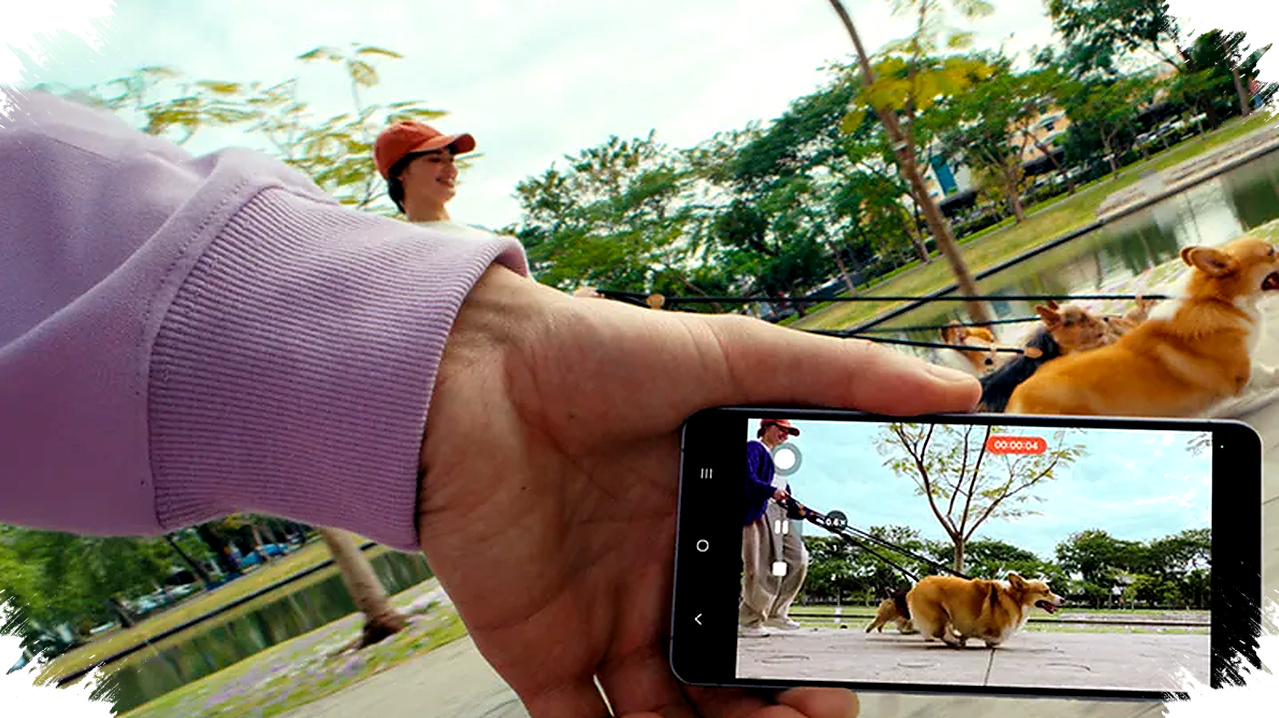
Horizontal Lock works as a stabilization layer that preserves the video’s orientation even if the phone turns around its axis. According to Samsung Electronics Indonesia, the feature is an evolution of Super Steady, but with a more aggressive focus on keeping the horizon fixed during motion.
That means the camera can rotate up to 360 degrees while the footage stays visually aligned. In practical use, this helps users avoid tilted shots that often happen when filming on the move or switching grip positions quickly.
Why Creators Care About It
The biggest appeal of Horizontal Lock is speed. Users can get stable results directly from the phone, without setting up a gimbal or spending time correcting footage in post-production.
This is especially useful for short-form content, where fast shooting matters more than a complex workflow. For creators who film while walking, running, biking, or covering events, the feature can reduce the risk of shaky clips and uneven framing.
How Samsung Builds the Stabilization
Samsung says the system relies on a combination of accelerometer and gyroscope sensors that read movement in real time. These sensors work together with Optical Image Stabilization, which helps soften shake before it becomes visible in the final video.
The software side is equally important because the phone also uses AI-based dynamic cropping. In simple terms, the camera adjusts the frame automatically so the subject stays centered even when the phone moves unpredictably.
AI Helps Keep the Subject in Frame
Dynamic cropping is useful when the scene changes quickly. If the user is filming a person, an object, or a moving scene, the AI can recompose the shot so the main subject remains the focus.
That is one reason the feature feels more creator-friendly than standard stabilization alone. Instead of only reducing shake, the Galaxy S26 series also takes care of framing, which can save time during editing and reduce the chance of unusable footage.
Image Quality Still Matters
Stabilization is only one part of mobile video performance, so Samsung also leans on AI-based ISP, or Image Signal Processing. The system is designed to reduce visual noise and adjust color automatically from frame to frame.
That matters for users who record at high frame rates or in changing light. Fast motion can often make footage look rough or grainy, but the AI processing is meant to keep the image sharp, clean, and more consistent across different shooting conditions.
Why the Feature Went Viral
Horizontal Lock attracted attention online because people tested it in unusual ways. Some users filmed while rotating the phone in front of a mirror, while others attached the device to a spinning car wheel to show how well the frame stayed locked.
Those tests became popular because they visually prove the feature’s main promise. The background can spin, but the video itself stays centered and level, which is exactly the kind of effect that grabs attention on social media.
Best Content Ideas for Horizontal Lock
For everyday users, the feature opens up creative options that are easy to try. It is not limited to professional creators because the setup is simple and the results are immediate.
- Walking vlogs with smooth horizon control.
- Sports clips while running, cycling, or hiking.
- Travel videos with fast scene transitions.
- Product demos that need steady framing.
- Creative social media shots with rotating camera movement.
These use cases show why the feature may appeal to both casual users and content creators. It reduces friction at the filming stage, which often matters more than advanced editing tools after the fact.
A Better Fit for Mobile-First Storytelling
The Galaxy S26 series appears positioned for users who treat the phone as their main camera. That includes creators who post daily updates, behind-the-scenes clips, and location-based videos that need to be captured quickly.
Samsung also benefits from the broader trend in mobile content creation, where audiences expect polished visuals from a device that still fits in one hand. Horizontal Lock addresses that demand by blending convenience with technical stabilization that usually sits behind more complex camera rigs.
Availability and Market Context
The reference article states that the Galaxy S26 series is available in Indonesia in multiple memory variants and colors, including Black, Cobalt Violet, and Sky Blue. Samsung also offered promotional benefits in late March 2026, including trade-in cashback and lighter installment options.
That market rollout suggests Samsung is not only marketing the feature as a technical upgrade, but also as a practical reason to choose the S26 lineup for content creation. For buyers comparing phone cameras, the promise of stabilized, ready-to-share video may become a stronger selling point than raw hardware alone.
Why Horizontal Lock Could Shape Future Phone Video
Features like Horizontal Lock show how smartphone cameras are evolving from simple recording tools into content-production systems. The combination of sensors, AI framing, and real-time correction gives users more control without adding complexity.
For Samsung, that creates a clear message about the Galaxy S26 series: the phone is not only built to capture moments, but also to make those moments easier to turn into usable content.