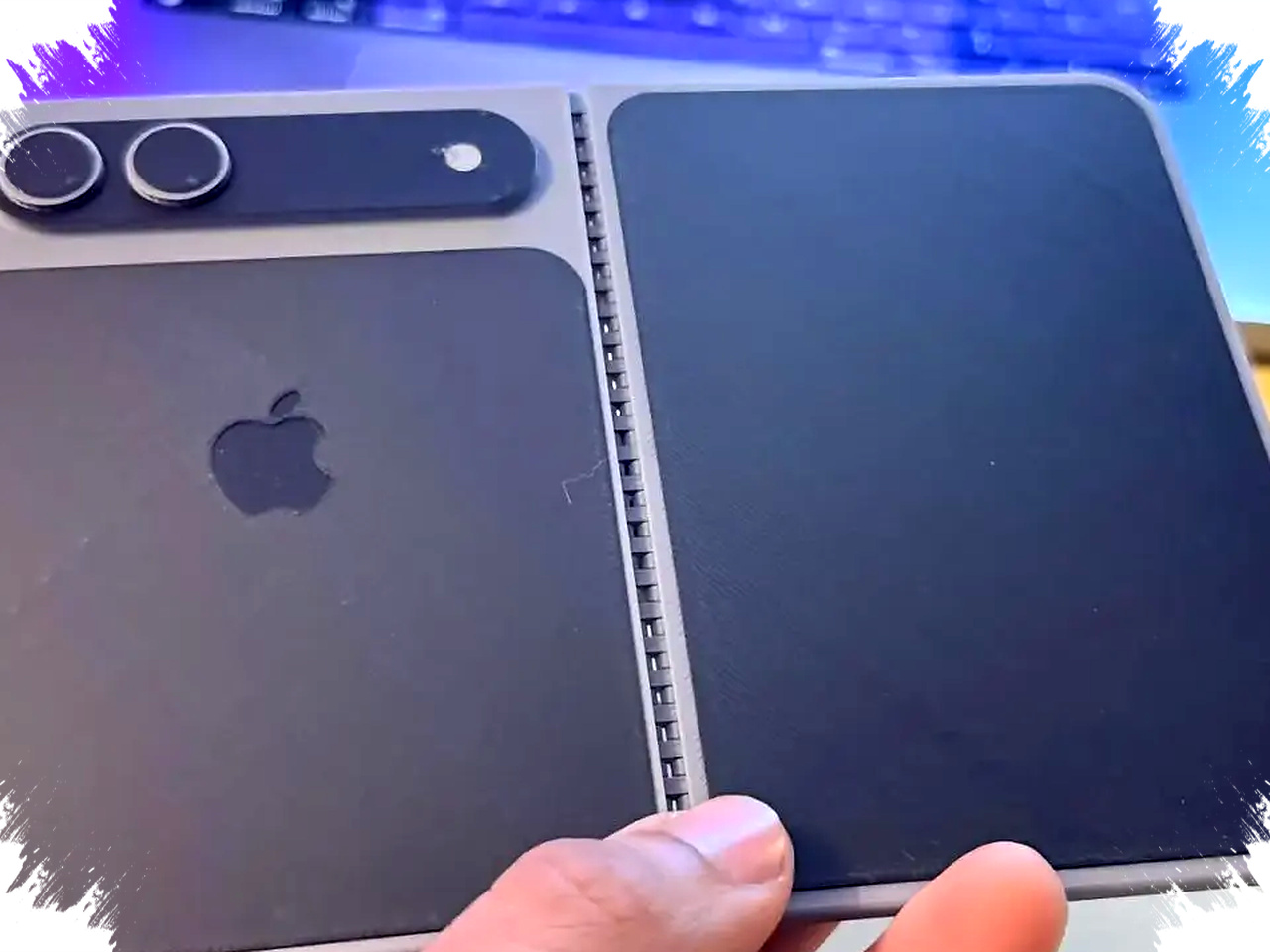
Apple’s first foldable iPhone is moving closer to reality, and the latest CAD renders suggest a design choice that may surprise many Android users. Instead of following Samsung’s tall and narrow foldable formula, the iPhone Fold appears to adopt a wider outer display that shares more in common with the Google Pixel Fold approach.
That shift matters because it changes how the phone will feel in everyday use. A wider cover screen can make typing, scrolling, and quick app checks feel less cramped, which is exactly the kind of practical detail that can define whether a foldable becomes a daily device or just a tech showcase.
A wider foldable shape signals Apple’s priorities

The newest leaks point to a design that is meant to feel familiar when the phone is closed. According to reports cited by Kompas Tekno, Apple is testing a broader aspect ratio that gives the outer screen more usable space than the slimmer style seen on many Samsung foldables.
That choice would put the iPhone Fold closer to the philosophy behind Google’s Pixel Fold, which also favors a more natural front-screen experience. In practical terms, a wider cover display can reduce the sense that users must unfold the device just to do basic tasks.
This is important because Apple usually enters a product category only after it believes the user experience is ready. If these renders are accurate, Apple may be signaling that it sees the outer display as a true everyday screen rather than a secondary panel.
The camera bump may be larger, but for a reason
Camera performance remains one of Apple’s strongest product messages, and the foldable iPhone seems to follow that script. Based on information gathered by Readers.id, Apple is reportedly testing a more aggressive camera module for the Fold, even though foldable phones have limited internal space.
That could explain why the render shows a noticeable camera bump integrated into the back panel. Apple appears unwilling to sacrifice camera hardware simply to make the body thinner, which suggests the company may be prioritizing image quality over a cleaner silhouette.
Industry speculation also points to a compact periscope-style zoom system. If that proves true, the iPhone Fold could offer stronger optical zoom than many current foldables, giving Apple another way to position the device as a premium camera phone first and a folding phone second.
What the leaked CAD renders suggest
- Wider outer display instead of a tall, narrow layout
- Camera bump integrated into the rear panel
- Possible periscope-style telephoto system
- Titanium alloy hinge for durability
- Flexible LTPO OLED main screen with 120Hz refresh rate
- Foldable-specific iOS software layer, reportedly called “FoldOS”
These details come from leak discussions that have spread across technology media, and they should still be treated as early information. Even so, the consistency of the reports gives them more weight than a typical one-off rumor.
Hinge design may be Apple’s biggest engineering statement
Foldable phones live or die by hinge quality, and that is where Apple seems to be aiming for its own standard. As reported by Asatunews, the CAD-based leaks indicate a new hinge structure designed to reduce the visible crease on the inner display.
That would be a major selling point if Apple can achieve it at scale. Foldable buyers often notice the crease immediately, and many still view it as one of the biggest compromises in the category.
The use of titanium alloy in the hinge also stands out. Titanium can help Apple keep the frame light while improving rigidity, and that combination fits the company’s broader hardware strategy across its premium lineup.
Why the Pixel-like approach matters more than it seems
Apple’s apparent move toward a Pixel-style foldable form factor may say more about user behavior than design trends. A wider cover screen makes the phone easier to use when closed, which means owners may not need to unfold it for every message, email, or social media check.
That can improve one-handed usability and reduce friction in daily use. It also means Apple may be trying to solve one of the oldest problems in foldables: a device that feels impressive in the hand but awkward in quick interactions.
By leaning into a shape that feels closer to a regular phone when closed, Apple could make the iPhone Fold more approachable for mainstream buyers. That would fit Apple’s history of simplifying complex hardware categories before pushing them into wider adoption.
Foldable details that could matter most to buyers
| Feature | Expected direction from leaks | Why it matters |
|---|---|---|
| Outer display | Wider, more usable ratio | Better typing and app use when closed |
| Main display | LTPO OLED, 120Hz | Smooth scrolling and power efficiency |
| Hinge | Titanium-based mechanism | Better strength and lighter build |
| Camera system | Larger module, possible periscope zoom | Stronger low-light and zoom performance |
| Software | Foldable-tuned iOS layer | Better app switching between screens |
These are still leak-based expectations, not confirmed specifications. But they show a pattern: Apple seems focused on making the foldable feel complete rather than experimental.
Apple’s foldable strategy appears more cautious than rushed
Reports from the supply chain in March 2026 suggest that the project is nearing production rather than remaining a lab concept. Apple has not commented publicly, which is standard for unreleased hardware, but the mounting leak volume usually indicates an advanced development stage.
That caution fits Apple’s usual playbook. The company often arrives later than rivals, but it tends to wait until it believes the product can set a new benchmark in design, software integration, or durability.
If the iPhone Fold launches with a camera system that does not compromise quality, a hinge that minimizes creasing, and a cover screen that feels genuinely useful, it could reshape expectations for premium foldables. The competition from Samsung, Google, and other Android vendors would then shift from simply making foldables thinner or faster to matching a more refined everyday experience.