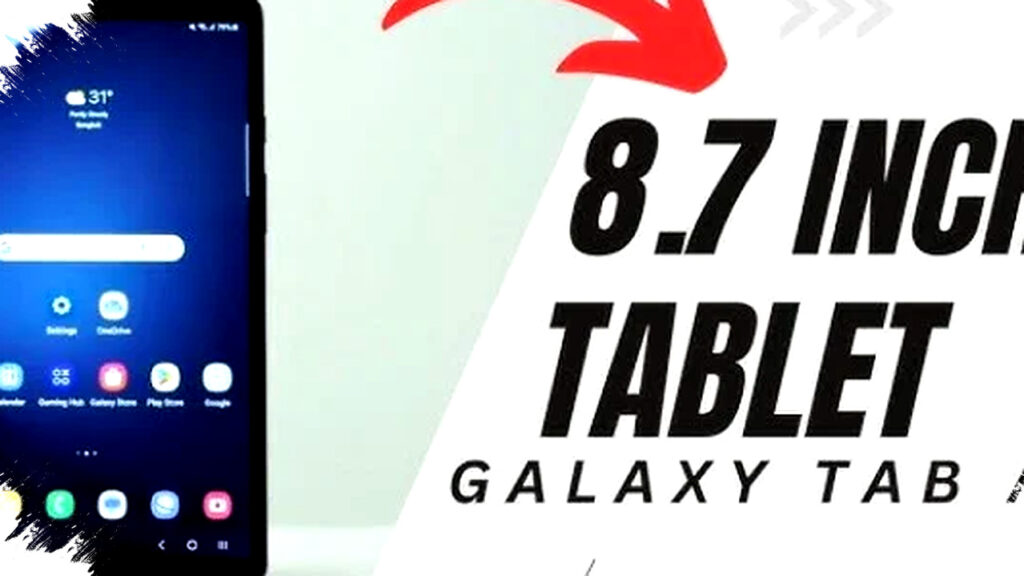
Samsung’s 2026 tablet lineup is drawing attention because it targets a simple need: affordable devices that still feel fast in daily use. For buyers who want smooth performance without spending laptop-level money, Samsung now has several options that fit students, hybrid workers, and families.
The strongest appeal comes from the balance of price, battery life, and the Galaxy ecosystem. In the current market, that combination matters because users expect tablets to handle online classes, video calls, streaming, note-taking, and light multitasking without lag.
Why Samsung tablets remain competitive in 2026
Samsung continues to push its tablet range across entry-level and mid-range segments. That strategy is important in Indonesia, where demand for practical devices stays strong even as global component costs rise.
A market note from the reference material highlights Samsung’s commitment to keeping tablet pricing competitive despite cost pressure. That approach helps explain why models like the Galaxy Tab A9 series and the Fan Edition line still attract buyers looking for value.
The company also benefits from its ecosystem advantage. Users who already own a Galaxy phone can move files, copy text, or switch apps across devices more easily, which makes a tablet feel more useful in daily routines.
5 cheap Samsung tablets with fast performance in 2026
- Samsung Galaxy Tab A9+
The Galaxy Tab A9+ stands out as the most balanced budget option in Samsung’s 2026 lineup. It uses an 11-inch display with a 90Hz refresh rate and Snapdragon 695 chipset, which helps deliver smoother scrolling and more stable multitasking.
This model suits users who want a bigger screen for school work, entertainment, and split-screen use. The reference article notes that its price starts around $250, making it one of the most attractive choices for buyers who want speed without moving into premium territory.
- Samsung Galaxy Tab A9
The Galaxy Tab A9 is the more affordable sibling in the series and works well for basic daily needs. It is aimed at students and casual users who mainly need online learning, browsing, streaming, and messaging.
Its lower price makes it accessible to first-time tablet buyers, with market availability ranging roughly from $60 to $190 depending on storage and region. Even at this level, it remains a practical option because Samsung keeps the software experience familiar and easy to use.
- Samsung Galaxy Tab A11
The Galaxy Tab A11 is positioned as a newer entry-level tablet with a price of around $130. It is designed for light tasks, but it still aims to feel responsive enough for everyday use.
This model matters because many users do not need flagship hardware. They mainly need a device that can open apps quickly, keep up with online classes, and support entertainment in a compact and affordable package.
- Samsung Galaxy Tab S6 Lite (2024)
The Galaxy Tab S6 Lite (2024) remains relevant in 2026 because it brings the S Pen into a more affordable category. That makes it especially useful for users who take notes, sketch, annotate documents, or study digital materials.
Its performance is stable for light-to-moderate workloads, and the included stylus gives it an edge over many cheap tablets. For buyers who want more than media consumption, this model offers better productivity value without jumping into premium pricing.
- Samsung Galaxy Tab S9 FE
The Galaxy Tab S9 FE sits closer to the premium side, but it is still considered a “cheaper” path to flagship-like features. It targets users who need stronger multitasking, better responsiveness, and a more refined tablet experience.
This model is a good fit for content creators, students with heavy workloads, and professionals who want a capable tablet for work and entertainment. Compared with the A-series, it offers a more powerful option while staying below the price of Samsung’s top-tier tablets.
What makes these tablets feel faster
Samsung’s 2026 budget tablets are not only cheaper, but also better optimized for modern use. Several models now include features such as 90Hz refresh rates, large batteries above 7,000 mAh, and support for multi-window multitasking.
These upgrades matter because they improve the user experience in practical ways. A higher refresh rate makes scrolling and app switching feel smoother, while a big battery helps users stay productive through a full day of classes or work.
The Galaxy ecosystem is also part of the performance story. Features like cross-device copy and paste, app continuity, and easy file sharing reduce friction when users move between a Samsung phone and tablet.
Who should buy each model
- Galaxy Tab A9+: Best for users who want the most balanced performance and screen size in the affordable segment.
- Galaxy Tab A9: Best for students and casual users who only need basic tablet functions.
- Galaxy Tab A11: Best for buyers who want the cheapest recent Samsung option with acceptable responsiveness.
- Galaxy Tab S6 Lite (2024): Best for note-taking, study work, and light creative use with S Pen support.
- Galaxy Tab S9 FE: Best for heavier multitasking and users who want near-flagship capability at a lower price.
Tablets that can replace part of a laptop routine
For many users, a cheap Samsung tablet is now enough to handle daily work that once required a laptop. It can support document editing, video calls, class notes, streaming, reading, and light gaming in one compact device.
That shift is especially useful for students and hybrid workers who need portability. Instead of spending more on a full laptop, they can choose a tablet that still offers decent speed, a large screen, and long battery life.
Samsung’s 2026 lineup shows a clear focus on this use case. The brand is trying to make affordable tablets feel less limited by improving display quality, software integration, and battery endurance.
Why the 2026 market favors buying now
The tablet market is becoming more competitive, and that gives buyers more choice in the lower price range. Samsung’s strategy keeps its products relevant because it offers familiar software, solid build quality, and a broad range of prices.
For users in Indonesia and similar markets, the most appealing part is that Samsung now covers a wide budget span. From around $60 for the Galaxy Tab A9 to about $250 for the Galaxy Tab A9+, buyers can choose a model that matches both their needs and their wallet.
As demand for practical, fast, and affordable tablets continues through 2026, Samsung’s entry and mid-range lineup is likely to remain a strong option for people who want smooth performance without paying for features they will never use.