


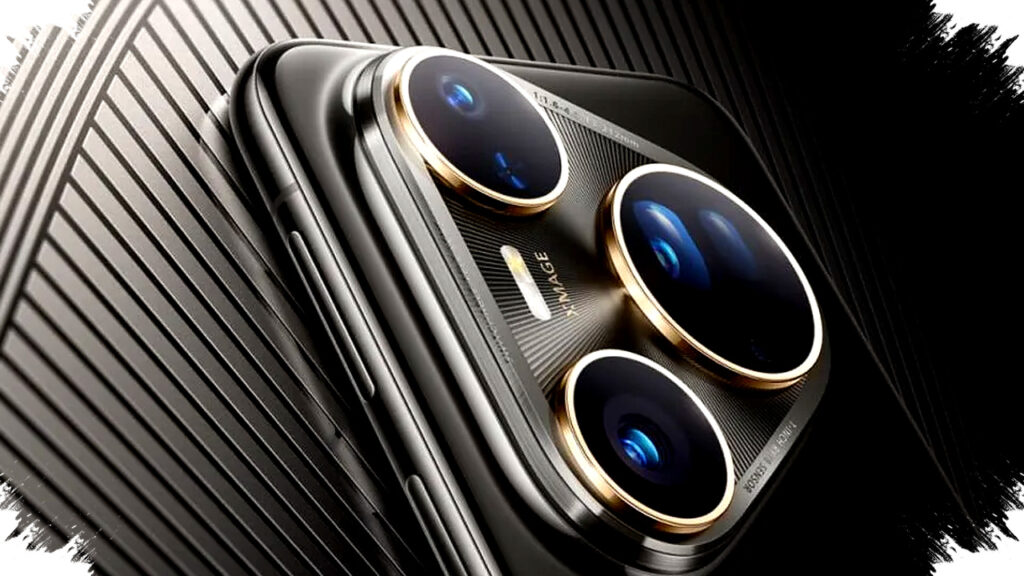
Huawei is reportedly testing LOFIC camera technology to improve telephoto photography, and the leak has drawn attention because it targets two of the hardest problems in mobile imaging: zoom quality and low-light performance. If the reported test reaches commercial devices, it could help Huawei deliver sharper long-distance photos with better detail retention in difficult lighting.
The information surfaced through a Gizmochina report cited on Sunday, March 29, which referenced a tipster known as Smart Pikachu. The leak suggests that at least two major Chinese smartphone brands are experimenting with LOFIC, but Huawei is the name drawing the most interest because of its long history of pushing camera hardware forward.
What LOFIC actually does
LOFIC stands for Lateral Overflow Integration Capacitor, a sensor design that manages incoming light more efficiently than a conventional camera sensor. In practical terms, it helps the sensor handle too much light without immediately losing detail in bright areas.
On a standard sensor, strong light can cause overexposure and wash out parts of an image. LOFIC takes a different route by temporarily storing excess light in a dedicated capacitor and then using that light in a controlled way, which helps preserve texture and detail.
That mechanism matters because smartphone cameras must balance bright highlights, dark shadows, and changing scenes in a very small space. A sensor that can better control light can produce images with a wider dynamic range and smoother transitions between bright and dark areas.
Why telephoto cameras may benefit the most
Telephoto lenses are among the most challenging parts of smartphone photography because they magnify not only the subject but also any weakness in the imaging pipeline. When zoom levels increase, image sharpness often drops, and noise becomes more visible, especially indoors or at night.
That is why a sensor upgrade in the telephoto path is important. Huawei appears to be targeting that exact pain point, with the goal of keeping zoom photos cleaner, brighter, and more detailed even when the scene does not offer ideal lighting.
Here is why telephoto cameras are harder to optimize than regular wide cameras:
- They receive less light than main cameras because of longer optical paths.
- They amplify motion blur and noise more easily at higher zoom levels.
- They rely heavily on sensor quality and processing to maintain detail.
- They often struggle in mixed lighting or nighttime scenes.
If LOFIC performs as expected, Huawei could reduce some of those weaknesses by improving how the telephoto sensor captures and stores light. That would not eliminate the limitations of small smartphone optics, but it could make a noticeable difference in real-world use.
Potential gains in low light and dynamic range
The most immediate promise of LOFIC is not just better zoom photos, but also more stable imaging in low light. According to the reference report, the technology should help the sensor collect and use small amounts of available light more effectively, which may reduce noise and preserve clarity.
That is significant because low light is where many smartphone cameras struggle most. Detail often disappears in shadowed areas, while highlights from lamps, signs, or reflections can become blown out.
A better sensor architecture can improve this balance. If Huawei successfully integrates LOFIC, the result could be images with less harsh clipping in bright regions and more usable detail in dark regions, which is especially valuable for night portraits, indoor telephoto shots, and zoomed landscapes at dusk.
Huawei Pura 90 could be the test bed
Leaked information points to the possibility that LOFIC will debut in Huawei’s upcoming Pura 90 lineup. The series is expected to arrive in the first half of 2026, following Huawei’s annual release cycle.
The reported display and chipset details are also starting to form a clearer picture. The standard model is said to feature a 6.58-inch screen, while a higher-end model may use a 6.87-inch flat display for a larger viewing area and a more comfortable visual experience.
The rumored hardware lineup looks like this:
| Model | Display | Chipset |
|---|---|---|
| Pura 90 | 6.58-inch | Kirin 9020 |
| Pura 90 Pro | 6.87-inch flat | Kirin 9030 |
| Pura 90 Ultra | 6.87-inch flat | Kirin 9030 Pro |
Those chipset names matter because camera performance depends not only on the sensor but also on image processing. Huawei has often used its own silicon to tune photography behavior tightly, so a new sensor technology paired with refreshed Kirin chips could produce a meaningful jump in imaging performance.
Why this matters beyond Huawei
LOFIC is not just relevant to one brand. If the technology proves effective, it could influence how other phone makers build next-generation sensors for premium smartphones. The article cited from the source notes that the broader industry could benefit from better dynamic range and stronger low-light performance if LOFIC adoption expands.
That possibility reflects a wider trend in smartphone development. Hardware gains are becoming harder to achieve through lens size alone, so sensor architecture, computational photography, and custom chip design are increasingly important.
Huawei has leaned into that trend before, particularly in camera-first flagship phones. A successful LOFIC implementation would reinforce its position as a company still willing to invest in imaging innovation despite global supply and market challenges in recent years.
What users should watch next
For now, the LOFIC story remains in the leak stage, not an official product announcement. That means the most important question is whether Huawei can turn the concept into consistent real-world results on shipping devices.
Key points to watch include:
- Whether LOFIC appears first in the telephoto camera or across multiple camera modules.
- How much improvement it delivers in zoom sharpness and shadow detail.
- Whether the feature is paired with new processing algorithms on Kirin chips.
- Whether Huawei confirms the technology in the Pura 90 series launch window.
The most realistic expectation is not a complete rewrite of smartphone photography, but a targeted improvement where users notice it most. If Huawei’s LOFIC test succeeds, telephoto photos could become more usable in dim conditions, and the Pura 90 family could become one of the most closely watched camera launches of 2026.