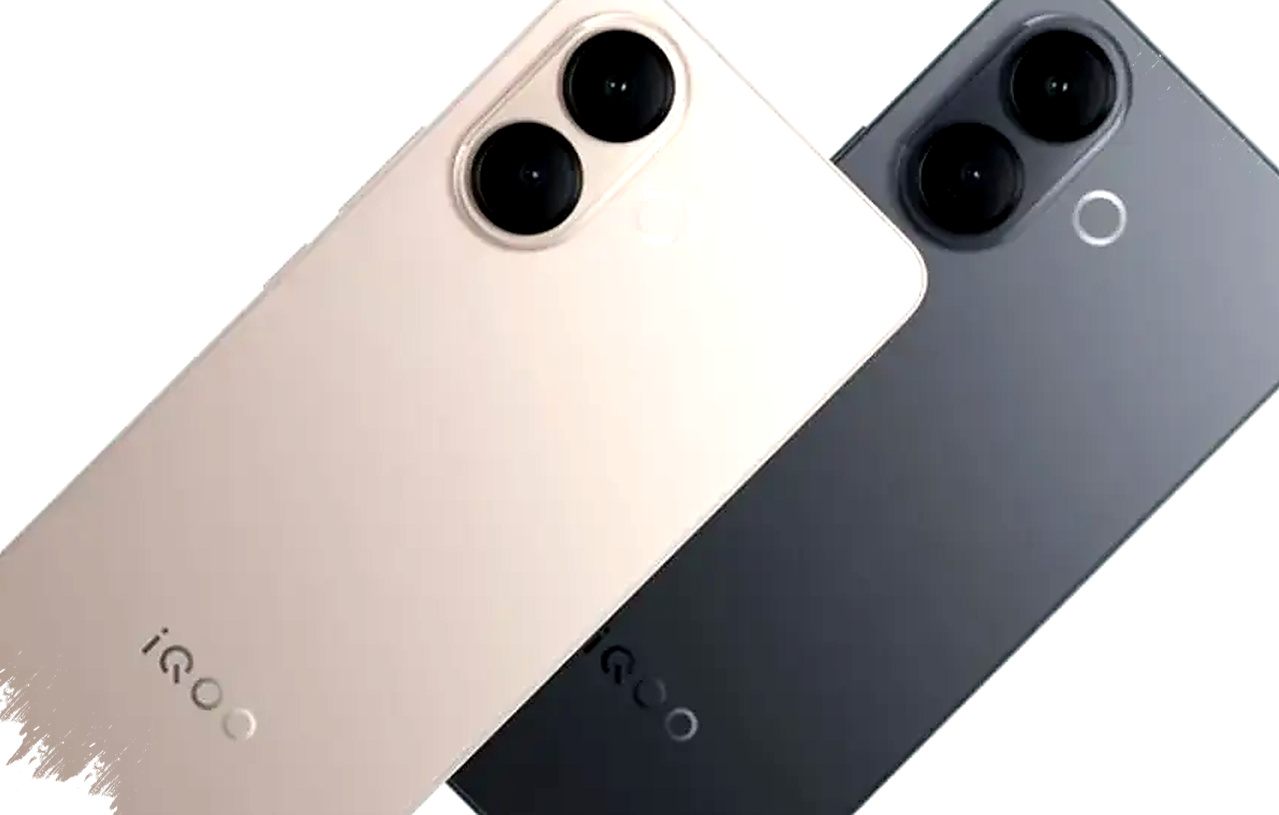
iQoo is reportedly preparing the iQoo 16 as its next flagship, and the biggest buzz centers on its display. A fresh industry leak says the phone may use a Samsung Display panel with a 185Hz refresh rate, which would push it beyond most current Android flagships.
The report, published on 30 March 2026, suggests the panel will also use LTPO technology. That means the screen can adjust refresh rates dynamically, which should help balance smoothness and battery efficiency.
What the leak says about the display


The most notable detail is the claimed 185Hz refresh rate. If accurate, it would place the iQoo 16 among the fastest smartphone displays ever discussed in a mainstream flagship leak.
The same source also points to a high-resolution panel with improved brightness and color reproduction. That combination would make the device more attractive not only for gaming, but also for video playback, scrolling, and general daily use.
LTPO support is another important part of the rumor. This display technology can lower refresh rates when the screen does not need extreme motion smoothness, then raise them when users need faster response.
In practical terms, that can reduce power waste without making the phone feel sluggish. For a device expected to target performance-focused buyers, that balance matters a lot.
Why 185Hz matters in a flagship phone
Most premium smartphones today sit in the 120Hz to 144Hz range. A few gaming phones have moved higher, but 185Hz is still unusual and not yet widely adopted.
A higher refresh rate can make animations look more fluid and improve the feeling of responsiveness. That is especially relevant for fast-paced gaming, where quick motion and touch feedback can shape the user experience.
Still, the real-world benefit depends on software support as much as hardware. A display can only show a 185Hz signal properly if the operating system, apps, and games can take advantage of it.
That is why the leak has drawn attention. It suggests iQoo may be trying to stand out with a specification that looks bolder than what many competitors offer on paper.
Samsung Display’s role and market context
Samsung Display has long been one of the most important OLED suppliers in the smartphone industry. Its panels are used by many global brands, especially in premium and flagship products.
A possible partnership with Samsung Display also strengthens the idea that iQoo wants a top-tier visual experience. Samsung’s reputation in OLED development gives extra weight to the rumor, especially because LTPO and adaptive refresh rates are now common in high-end devices.
Here are the key display-related claims that have surfaced so far:
- Samsung Display panel
- 185Hz refresh rate
- LTPO technology
- High resolution
- Improved brightness
- Better color reproduction
These points fit iQoo’s usual strategy. The brand often focuses on aggressive specs for speed, gaming, and performance-oriented buyers.
How iQoo usually positions its flagship phones
iQoo, which operates as a sub-brand of Vivo, has built a reputation around performance-first smartphones. Its products often aim at younger users and gamers who want strong hardware without entering the most expensive pricing tier.
The company has typically relied on top-end Qualcomm or MediaTek chipsets in its flagship lineup. While the latest leak does not name the exact processor for the iQoo 16, the phone is widely expected to continue that pattern.
That approach helps iQoo compete in a crowded market. It allows the brand to offer high-end features while keeping the product identity clear and focused.
The display rumor also suggests that iQoo may continue using premium components to strengthen the package. In the flagship segment, screen quality is now one of the main battlegrounds, along with chipset power, cooling, and battery life.
What users may feel in daily use
If the 185Hz panel becomes real, the most visible difference will likely come from motion handling. Scrolling through social feeds, opening menus, and switching between apps should feel very smooth.
Gamers may also notice lower input delay, depending on optimization and the game’s frame support. Fast action titles benefit most from higher refresh rates, especially when paired with a capable chipset and stable thermal design.
For multimedia users, brightness and color improvements could matter just as much as the refresh rate. A vivid OLED screen with strong contrast and better outdoor visibility often makes a bigger daily impact than raw specification numbers alone.
That said, refresh rate alone does not define display quality. Factors such as panel calibration, PWM dimming behavior, touch sampling, and power management will also shape the final experience.
What remains unconfirmed
So far, iQoo has not officially confirmed the iQoo 16 specifications or launch timing. The report also does not reveal the full hardware list, so details about camera setup, battery size, charging speed, and chipset remain unclear.
The timing may still follow iQoo’s usual annual launch rhythm, based on the company’s previous release pattern. Even so, until the brand speaks publicly, the current information should be treated as a strong leak rather than a final spec sheet.
That uncertainty is common in the flagship cycle. Early leaks often highlight the most eye-catching hardware first, while other details appear closer to launch.
Why this leak is getting attention
The iQoo 16 rumor matters because it reflects a larger trend in the smartphone market. Brands now push display hardware harder to create faster, smoother, and more efficient devices.
A 185Hz screen would be a clear statement of intent. It would show that iQoo wants the next flagship to compete not only on raw performance, but also on the kind of visual experience that mobile gamers and heavy users can immediately feel.