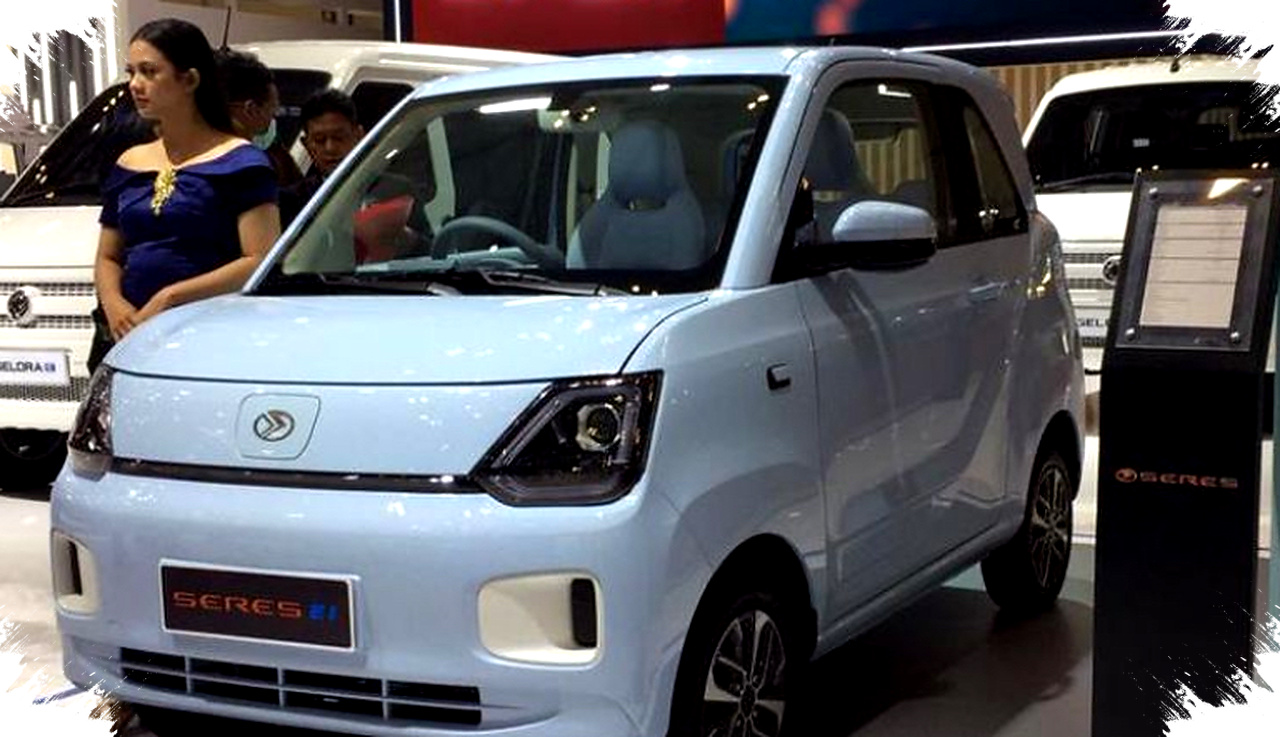
Seres E1 is drawing attention in 2026 because it sits in one of the most searched EV segments: an affordable electric car priced below $12,000 with usable range for city driving. The model starts at around $11,900 and offers up to 180 km of range in its entry variant, making it a practical option for daily commuting without the higher cost of a larger EV.
That positioning matters in markets where buyers want lower running costs, compact dimensions, and easier charging habits. With a small footprint, rear-wheel-drive layout, and battery options from a respected supplier, Seres E1 aims to give first-time EV buyers a simple route into electric mobility.
Why Seres E1 stands out in the budget EV market


Seres E1 targets drivers who mainly travel in urban areas and do not need long highway range every day. Its pricing places it among the most accessible electric cars in its segment, especially for buyers comparing it with many EVs that still sit far above the $12,000 mark.
The car’s appeal comes from a mix of low entry price, compact size, and a battery package that still delivers a useful range. For city use, that combination can matter more than headline performance numbers.
Compact dimensions built for the city
Seres E1 uses a small body that makes it easy to place in tight streets and crowded parking spaces. It measures 3,030 mm long, 1,495 mm wide, and 1,640 mm high, with a wheelbase of 1,960 mm.
Those numbers show clearly that this is a city car first. In dense traffic, a small EV can offer a practical advantage because it is easier to maneuver, park, and move through limited spaces.
Core specifications of Seres E1
Here is a simple summary of the key figures reported for the model:
| Specification | Detail |
|---|---|
| Starting price | About $11,900 |
| Maximum range | Up to 180 km for the 13.8 kWh version |
| Other battery option | 16.8 kWh with up to 220 km range |
| Motor output | 30 kW |
| Peak torque | 100 Nm |
| 0–50 km/h acceleration | 5.1 seconds |
| Charging time | Around 3.5–4 hours for 13.8 kWh; 4–4.5 hours for 16.8 kWh |
These figures place the Seres E1 in the entry-level EV category, where efficiency and practicality usually matter more than outright speed. For short daily trips, the range and charging time should be enough for many urban users.
Battery choices and range
Seres offers two battery configurations for the E1, and each one serves a different use case. The 16.8 kWh battery can travel up to 220 km, while the 13.8 kWh version is rated for around 180 km.
For buyers who mostly drive to work, shopping centers, campuses, or other city destinations, the 180 km version can already be sufficient. The larger battery gives extra flexibility for users who want a longer buffer between charging sessions.
Charging times remain relatively short for an EV in this price class. The 13.8 kWh battery needs around 3.5 to 4 hours, while the 16.8 kWh unit takes about 4 to 4.5 hours.
Performance aimed at everyday use
The Seres E1 uses a rear-wheel-drive electric motor with a maximum output of 30 kW and peak torque of 100 Nm. That setup is not designed for aggressive performance, but it is enough for regular city use and low-speed responsiveness.
The car can accelerate from 0 to 50 km/h in 5.1 seconds, which should feel adequate in stop-and-go traffic. That kind of response is important for a small EV because it helps the car feel light and easy to drive in urban conditions.
Design and color options
The Seres E1 has a compact and modern look that matches its city-focused concept. Its small proportions and rounded styling give it a friendly appearance that may appeal to younger buyers and new EV users.
It also comes in four color choices: Elegant White, Mist Rose, Fairy Green, and Oxygen Blue. These options add a more personal feel to the vehicle and help it stand out in a segment where many cars still use conservative styling.
Charging setup and compatibility
The E1 supports charging through a 220V/10A cable and uses a European Standard Type 2 socket. That is relevant because Type 2 is widely recognized in many EV charging environments and improves compatibility for users.
For home charging, the 220V setup can be especially practical. Buyers who use the car mainly for commuting may find that overnight or workplace charging is enough to keep the vehicle ready for daily driving.
Who the Seres E1 is best suited for
Seres E1 is likely to appeal most to urban drivers, first-time EV buyers, and households looking for a second car. Its price makes it more accessible than many newer electric models, while its range and charging times fit routine travel patterns.
The car also fits users who do not want a large battery pack or a heavy vehicle just to cover short distances. For daily mobility in the city, smaller EVs can be more efficient, less expensive to own, and easier to live with.
What buyers should consider before choosing it
Even with its attractive price, the Seres E1 remains a compact EV with clear limits. Its range is practical for daily use, but buyers who often drive long distances may need to plan charging more carefully.
- Range is best suited for city and suburban travel.
- Performance is enough for daily use, but not built for high-speed driving.
- Compact size helps in traffic, but interior space should be checked in person.
- Charging access at home or nearby public stations will improve convenience.
- Buyers should compare it with other low-cost EVs before making a decision.
In a market where electric cars often come with premium pricing, the Seres E1 positions itself as a straightforward and affordable entry point to EV ownership, with enough range, practical charging, and compact dimensions to fit the demands of everyday urban driving.