


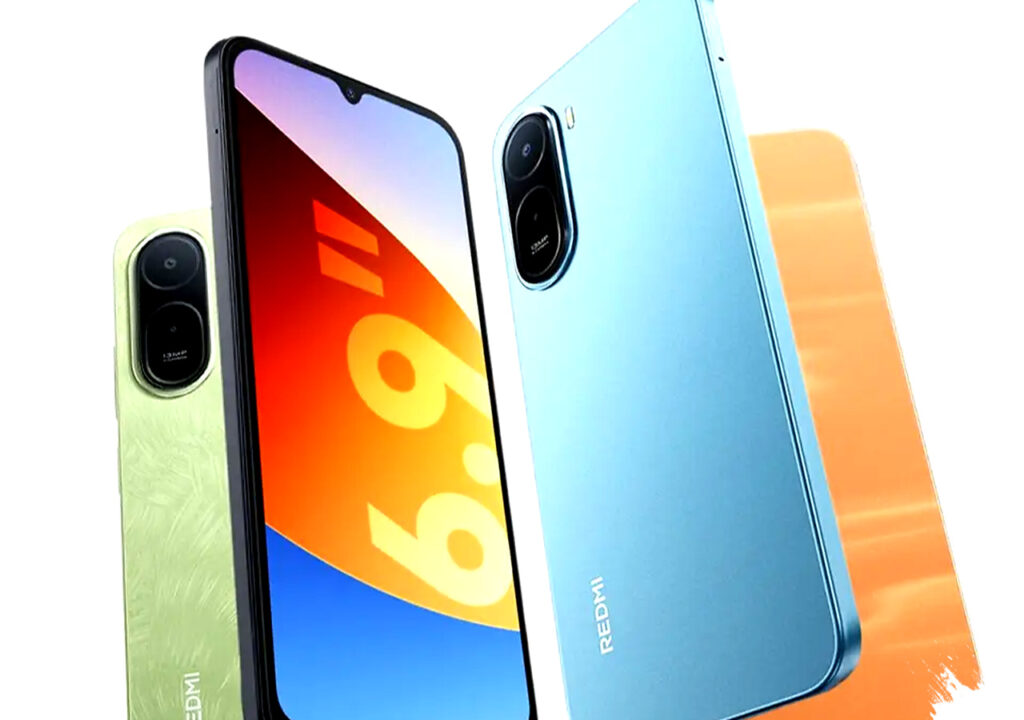
Redmi A7 Pro is drawing attention because it focuses on one of the most practical features for entry-level phones: battery life. The device carries a 6,000 mAh battery and supports 18W fast charging, a combination that aims to reduce charging anxiety for users who spend long hours on messaging, streaming, and casual gaming.
In a segment where many phones still rely on smaller batteries, this capacity gives Redmi A7 Pro a clear lifestyle advantage. Xiaomi is positioning the device as a daily companion for users who want endurance first, without giving up modern conveniences such as a large display, a 120Hz refresh rate, and a lightweight software experience.
Big battery, practical endurance
A 6,000 mAh battery is notable in the entry-level class because it gives the phone more room to last through a full day of mixed use. That matters for students, workers, and social media users who do not want to carry a power bank everywhere.
For light to moderate use, the battery should comfortably handle calls, browsing, messaging, and music playback. For heavier routines that include gaming and video streaming, the large capacity helps the phone stay active longer before reaching the charger.
The reference data also points to 18W fast charging, which is useful because a larger battery usually takes longer to refill. That fast-charging support helps balance the experience, especially for users who need a quick top-up before leaving home or heading back to work.
Why battery size matters in the entry-level market
Battery capacity is no longer just a technical spec. It has become a deciding factor for buyers who want a phone that can survive a full day of unpredictable use.
According to the reference article, Redmi A7 Pro is built for efficiency and endurance, and that message fits current smartphone buying trends. Many consumers now compare phones not only by camera and display quality, but also by how often they need to plug them in.
Here is a simple view of how the battery specification shapes the user experience:
- Longer unplugged use for travel, study, and daily commuting.
- Less charging stress because the battery is large enough for intensive routines.
- Faster recovery time thanks to 18W fast charging support.
- Better value perception in a budget device, since endurance is a top priority for many buyers.
The combination makes Redmi A7 Pro appealing to users who prefer function over flash. It also helps Xiaomi compete in a crowded segment where battery life often becomes the most memorable feature after purchase.
Display and usability support the battery-first approach
The battery story becomes stronger when paired with the device’s 6.9-inch HD+ display. A large screen gives users more space for video, reading, and multitasking, while the 120Hz refresh rate adds smoother motion when scrolling through apps and menus.
The article also notes a peak brightness level of 800 nits HBM, which should help the screen remain usable outdoors. That matters because a phone with strong battery life is often used on the go, and better visibility reduces the need to constantly search for shade.
Xiaomi also includes TÜV Rheinland Low Blue Light certification. This is relevant for users who spend long periods looking at the screen, since the certification is meant to improve comfort during extended viewing sessions.
Camera setup stays simple and focused
Redmi A7 Pro does not try to win by camera complexity. It uses a dual-camera setup with a 13 MP main camera supported by AI, which is aimed at normal photography such as everyday moments, landscapes, and social media shots.
The secondary camera assists with depth effects, especially for portrait-style photos. That keeps the imaging system straightforward, which is common in this price class where brands usually prioritize battery and display before advanced photography features.
For selfies and video calls, the front camera is positioned as adequate for communication. That makes the phone suitable for WhatsApp calls, online meetings, and quick self-portraits without pretending to be a professional camera phone.
Security and software add everyday value
Redmi A7 Pro also includes a fingerprint sensor for quick and secure unlocking. In practical terms, that makes daily access easier while still giving users a basic layer of protection for personal data.
The device reportedly runs Android 16 with HyperOS 3, which is important because software now plays a bigger role in the overall phone experience. Xiaomi’s software layer adds permission controls for camera, microphone, and location access, helping users manage privacy more carefully.
Standard security options such as PIN, pattern, and password remain available as backup methods. That gives users flexibility and keeps the phone accessible even if biometric unlocking does not work in certain conditions.
Key specifications at a glance
| Feature | Redmi A7 Pro |
|---|---|
| Battery | 6,000 mAh |
| Charging | 18W fast charging |
| Display | 6.9-inch HD+ |
| Refresh rate | Up to 120Hz |
| Brightness | 800 nits HBM |
| Main camera | 13 MP with AI |
| Front security | Fingerprint sensor |
| Software | Android 16 with HyperOS 3 |
This table shows the phone’s main focus clearly. It is not built to dominate on one flashy feature, but to offer a balanced package centered on endurance, display comfort, and basic usability.
Target users are easy to identify
Redmi A7 Pro seems aimed at buyers who want a dependable phone at an affordable level. That includes students, first-time smartphone users, and people who need a second device with strong battery life.
It also makes sense for users whose workday involves long screen time, frequent messaging, and constant mobility. In that scenario, battery capacity becomes more important than premium materials or advanced camera hardware.
The phone’s practical design, slim body, and thin bezels also help it look more modern than many entry-level devices. That may matter for buyers who want a device that feels current without pushing into a higher price category.
The larger appeal of Redmi A7 Pro lies in how it combines endurance with everyday ease of use. A 6,000 mAh battery, 18W charging, a 120Hz display, and basic but useful software tools make it a strong option for users who care most about staying connected throughout the day.