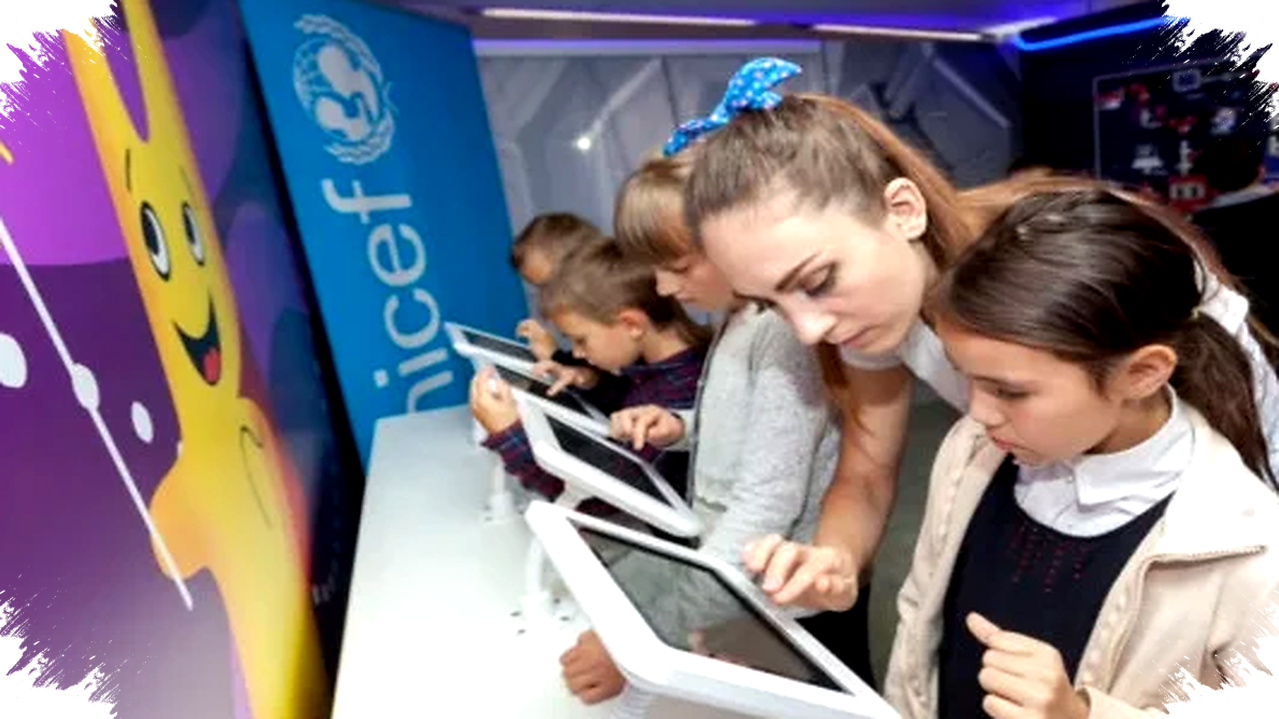
Indonesia has entered a new phase in children’s digital protection as PP Tunas officially takes effect. The policy, supported by Minister of Communication and Digital Regulation No. 9 of 2026, aims to reduce the risks that children face online and push families to manage screen time more responsibly.
The rule matters because children are now growing up inside a digital environment that is useful, but also full of exposure to harmful content, cyberbullying, and unsafe interactions. For parents, the most urgent question is no longer whether children use gadgets, but how to redirect that use into healthier habits without triggering conflict at home.
Why PP Tunas Changes the Conversation


PP Tunas, or Government Regulation No. 17/2025, strengthens child protection in electronic systems. It does not only place duties on the state and digital platforms, but also gives families a stronger reason to build boundaries around device use.
The reference article notes that the regulation became effective alongside the implementing ministerial rule on 28 March 2026. That timing signals a coordinated policy shift, where child safety is no longer treated as a side issue in the digital economy.
What Parents Need to Understand First
Experts stress that gadget addiction should not be handled with anger alone. Susanto, a professor at Universitas Perguruan Tinggi Ilmu Al Quran Jakarta and former chairman of KPAI for 2017–2022, said parents need an “inspirational approach” rather than only strict prohibitions.
That view reflects a broader reality in child psychology. Children usually resist sudden bans, but they respond better when they are offered activities that match their interests and give them a sense of achievement.
A Practical Way to Shift Children Away from Screens
Parents can start by identifying what children naturally enjoy, then expanding that interest into offline activities. The goal is not to eliminate technology completely, but to make gadgets one part of a balanced daily routine.
Here are several steps that can help:
- Identify the child’s main interests, such as sports, art, science, music, or simple entrepreneurship.
- Replace passive screen time with activities that create visible results, such as drawing, gardening, or crafting.
- Use short, structured schedules so children know when they can use devices and when they should do other activities.
- Join the child in offline activities so the new routine feels shared, not forced.
- Keep communication open and explain why limits exist in a calm, age-appropriate way.
These steps work better when parents stay consistent. Children often follow what adults model every day, so a home environment that is also overly dependent on phones will make any limitation harder to sustain.
Project-Based Learning Can Reduce Screen Dependence
The article highlights project-based learning as one of the most effective alternatives to passive gadget use. This approach gives children a real task to complete, such as growing plants, doing community work, or building a small practical project.
Such activities help children experience direct engagement with the physical world. They also improve attention, responsibility, and emotional connection with their surroundings, which are often weakened when a child spends too much time on short-form digital content.
Why Parent Behavior Matters as Much as Rules
Susanto described parents as digital role models, and that idea is central to the success of PP Tunas. Children watch how adults use phones, react to notifications, and spend time on devices, often copying those patterns more than they follow spoken advice.
A one-way style of control often creates tension. Two-way dialogue tends to work better because children feel respected while still understanding the limits that protect them.
How Platforms Must Change Under PP Tunas
PP Tunas is not only about families. It also forces Penyelenggara Sistem Elektronik, or electronic system providers, to rethink how their platforms keep young users engaged.
The article explains that platforms can no longer focus only on maximizing engagement among minors. Their algorithms must now prioritize safety and stronger content restrictions for children, which means a shift from attention capture toward child protection.
| Policy focus | Old tendency | New requirement under PP Tunas |
|---|---|---|
| Algorithm design | Maximize engagement | Prioritize safety |
| Child content exposure | Broad recommendations | Tighter filtering |
| Platform responsibility | Limited child focus | Stronger protection standards |
| Family role | Reactive control | Active guidance and supervision |
This shift is important because digital risks are becoming more complex. The article cites projections showing cyberbullying cases could rise by 15% in 2026, while grooming and violent content remain threats, especially for children under 13.
Why the Regulation Is Timely
The new framework arrives at a moment when children are more connected than ever. Many play, learn, and socialize through screens, but the same channels can also expose them to manipulation, harmful trends, and harmful peer interactions.
That is why the regulation does not stand alone as a legal document. It works as a signal that child safety in the digital space must be treated as a shared responsibility among government, platforms, schools, and families.
Schools and Families Must Work Together
The effectiveness of PP Tunas depends heavily on collaboration. Schools can support the policy by encouraging productive digital habits, while families can reinforce those habits at home with consistent routines.
This cooperation is especially useful when children need alternatives to screen-heavy entertainment. If schools, parents, and communities offer sports, arts, science clubs, and social projects, children are more likely to see offline life as rewarding rather than restrictive.
Building Digital Discipline Without Fear
The real challenge is not just reducing gadget time. The larger goal is to help children build self-control and learn how to use technology without becoming dependent on it.
That means the message of PP Tunas should be understood as guidance, not punishment. Children need clear rules, but they also need opportunities to succeed, explore talents, and feel rewarded outside the screen.
A well-structured home routine, backed by school support and safer platform design, gives children a better chance to grow into users who understand technology instead of being controlled by it.