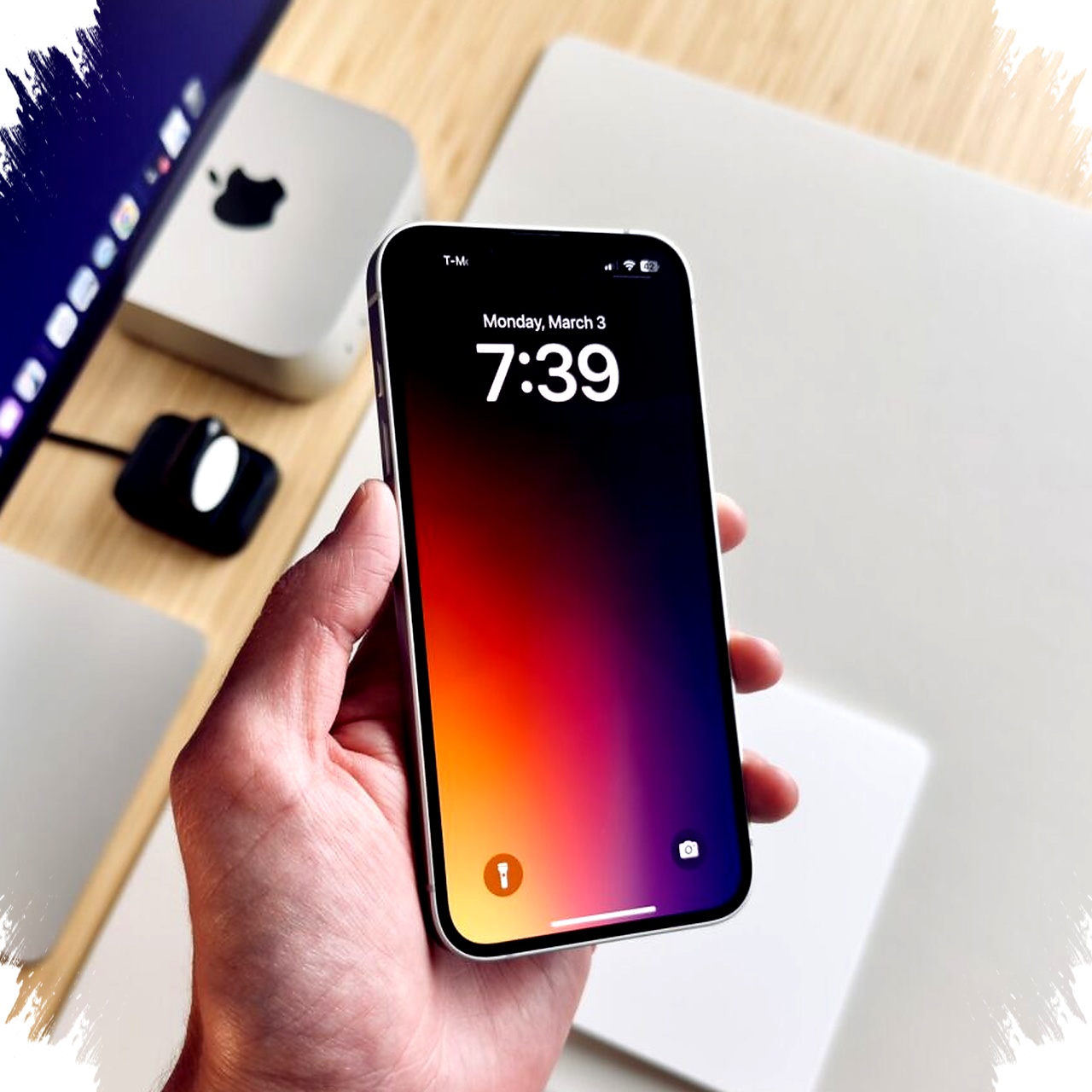
The iPhone 13 still attracts buyers in 2026 because it offers a practical mix of performance, display quality, battery efficiency, and a lower entry price than the iPhone 15. For many users, that balance matters more than having the newest model on the shelf.
Recent market activity also shows that interest in the device has not faded after its 2021 launch. Selular reported that iPhone 13 sales rose after the Eid holiday period, while Apple has still kept it in circulation as part of a broader product strategy that reaches mid-range buyers in several markets.
Why the iPhone 13 Still Sells Well
One of the clearest reasons is value. The iPhone 13 now sits at a much more accessible price point than the iPhone 15, which makes it appealing to first-time iPhone buyers and users who want to move into Apple’s ecosystem without paying for a current-generation flagship.
Apple’s broader approach also helps. The company often keeps older models available after newer ones launch, and that gives consumers more choices across price segments.
The iPhone 13 continues to benefit from that strategy because it still meets the needs of common smartphone users. It handles messaging, streaming, browsing, photography, and mobile gaming without obvious limitations for everyday use.
Performance Still Feels Modern
The iPhone 13 runs on Apple’s A15 Bionic chip. That matters because this processor also powered some later iPhone models, which means the older phone is not far behind in real-world capability.
In day-to-day use, the A15 Bionic remains fast enough for multitasking, social media, productivity apps, and demanding games. It also supports modern processing tasks, including AI-related features and graphics-heavy workloads, depending on the app and software version.
For active users, that level of performance reduces the feeling that the phone is “outdated.” The iPhone 13 still opens apps quickly, keeps animations smooth, and delivers the kind of responsiveness that remains important for buyers who compare devices by practical use rather than marketing labels.
Display Quality Remains a Strong Point
The iPhone 13 uses a 6.1-inch Super Retina XDR OLED display. That screen is still considered premium for media consumption because it offers strong brightness, accurate color reproduction, and deep contrast.
For users who watch videos, read content, or edit photos on the phone, the panel remains highly capable. It also gives the device a familiar and compact form factor, which many iPhone users continue to prefer over larger phones.
Compared with the iPhone 15, the iPhone 13 does not feel dramatically behind for screen quality in everyday use. That is one reason many buyers still judge it as a smart purchase rather than a compromise.
Camera Hardware Is Still Good Enough for Most People
The iPhone 13 comes with a dual 12MP camera system. It supports features such as Night Mode and Cinematic Mode, and those tools still cover most casual photography needs.
Apple improved the camera system on the iPhone 15, especially in image processing and sensor capability. Even so, the iPhone 13 continues to produce results that are suitable for family photos, travel shots, and social content.
For users who do not shoot professionally, the difference may not justify the higher cost of the newer model. The iPhone 13 can still deliver balanced colors, reliable focus, and consistent video quality in typical conditions.
Battery Life and Software Support Add to Its Value
Battery efficiency remains another reason the iPhone 13 is still popular. Its hardware and iOS optimization help deliver stable endurance for normal daily activity.
Apple also continues to provide software updates for the device. That is important because security patches, app compatibility, and new iOS features help older iPhones stay useful longer.
Based on Apple’s usual update cycle, the iPhone 13 is expected to remain supported for several more years. That gives buyers more confidence, especially if they are looking for a phone that will not need replacement in the short term.
How the iPhone 13 Compares with the iPhone 15
The iPhone 15 clearly brings newer hardware and some important updates. It includes a USB-C port, a more advanced main camera, and a newer-generation chip.
Still, those upgrades do not automatically make it the better choice for every buyer. The iPhone 13 remains attractive because it costs less while still covering the needs that matter most to many people.
Here is a simple comparison of the main differences:
| Aspect | iPhone 13 | iPhone 15 |
|---|---|---|
| Launch period | 2021 | 2023 |
| Chipset | A15 Bionic | Newer-generation Apple chip |
| Display | 6.1-inch Super Retina XDR OLED | Similar size, newer refinements |
| Camera | Dual 12MP system | Improved sensor and processing |
| Charging port | Lightning | USB-C |
| Price position | Lower and more affordable | Higher as newer model |
For budget-conscious buyers, the iPhone 13 often looks like the smarter purchase. The iPhone 15 is more advanced, but its stronger specs may not deliver enough added value for people who mainly use their phone for routine tasks.
Why Consumers Still Choose Older iPhones
The continued demand for the iPhone 13 reflects a broader shift in the smartphone market. Buyers are holding onto devices longer and paying more attention to total value, not just launch-day specifications.
This trend is especially visible in premium phones, where higher prices push many consumers to consider older models instead. The iPhone 13 fits that pattern well because it offers a known Apple experience at a lower cost.
Several factors explain this behavior:
- Lower purchase price after several years in the market.
- Strong enough performance for everyday use.
- Reliable camera and display quality.
- Ongoing iOS support and security updates.
- A familiar iPhone design and user experience.
For a large group of buyers, that combination is enough to outweigh the appeal of the newest release. The result is steady demand for a phone that is no longer new, but still relevant.
A Rational Choice in a Higher-Price Market
As premium smartphone prices keep rising, more consumers are becoming selective about upgrades. Many now ask whether the newest model changes the experience enough to justify the extra spending.
In that environment, the iPhone 13 remains a rational option. It still delivers the core Apple experience, and it does so with hardware that continues to hold up well in 2026.
That is why the iPhone 13 has not disappeared from buyer interest, even with the iPhone 15 available. For users who value performance, software support, and affordability in one package, the older model still stands out as a practical choice in today’s Apple lineup.