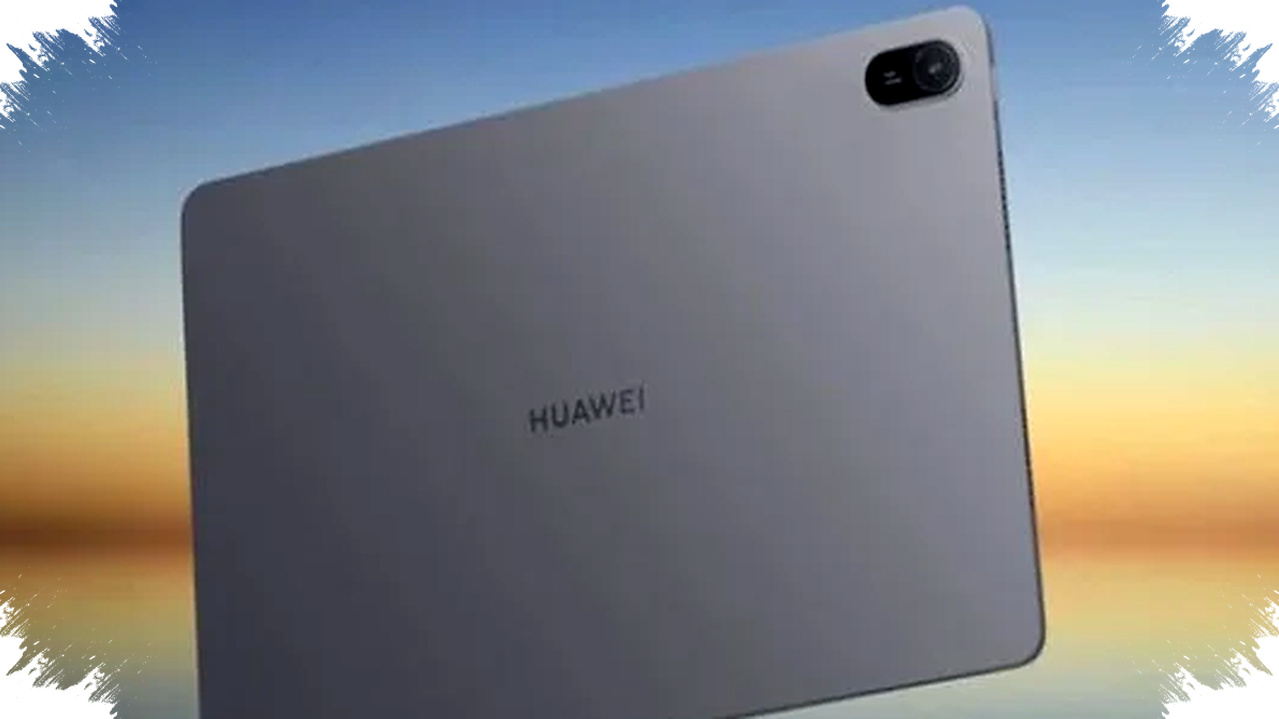
Huawei is preparing a notable tablet launch in India with two new models that target different user needs. The main attraction is the Huawei MatePad 11.5, which brings a 2.5K display with a 120Hz refresh rate, while the MatePad SE 11 comes in as a more affordable option for everyday use.
Both tablets have already started appearing on e-commerce listings ahead of their official sale. Huawei will sell them as WiFi-only devices, which means buyers should not expect cellular network support on either model.
Huawei MatePad 11.5: a stronger push into productivity and entertainment

The MatePad 11.5 is positioned as the more capable option in Huawei’s new lineup. According to the reference data, the tablet uses the Kirin T82B chipset, paired with 8GB of RAM and 256GB of internal storage.
Huawei says the chip can reach speeds of up to 2.4GHz. That setup suggests the company wants the device to handle multitasking, streaming, note-taking, and light productivity work without feeling cramped.
The display is the feature that stands out most. Huawei equips the MatePad 11.5 with an 11.5-inch panel that carries a 2.5K resolution and a 120Hz refresh rate. The screen also uses PaperMatte TFT LCD technology, which is designed to reduce glare and improve readability in brighter environments.
That matters for users who read documents, sketch, or spend long hours on-screen. The display is rated at 600 nits of brightness, so it should remain usable indoors and in many outdoor settings, although direct sunlight can still challenge any tablet screen.
Key hardware details that define the MatePad 11.5
Huawei has filled the tablet with a mix of practical hardware aimed at work and entertainment. The rear camera uses a 13MP sensor, while the front camera is 8MP, and both support video recording up to 1080p.
The battery capacity reaches 10,100mAh, which is large enough to support long viewing sessions and extended daily use. The tablet also includes WiFi and Bluetooth 5.2, plus sensors such as ambient light, gravity, and hall sensors.
For physical design, Huawei lists the device at 6.1mm thick and around 515 grams in weight. It will arrive in Space Grey and Violet, giving buyers two color choices that keep the design simple but modern.
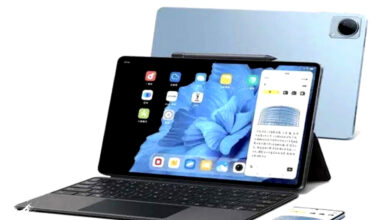
Huawei also bundles a detachable keyboard, which signals a clear attempt to make the MatePad 11.5 more appealing for users who want a tablet that can behave like a lightweight laptop. That accessory can be an important addition for students, office users, and people who prefer typing long notes or emails on a physical keyboard.
MatePad SE 11 targets budget-conscious buyers
The MatePad SE 11 sits at the cheaper end of Huawei’s new tablet strategy. It uses the Kirin 710A chipset with a clock speed of up to 2.2GHz, along with 8GB of RAM and 128GB of storage.
Its 11-inch display offers Full HD+ resolution and uses an Eye Comfort TFT LCD panel. Huawei says the screen reaches 400 nits of brightness and carries TÜV Rheinland low blue light and flicker-free certification.
Those certifications matter for buyers who spend long periods reading or watching content on a screen. They add a layer of reassurance for parents, students, and users who want a more eye-friendly tablet in the lower price segment.
The tablet includes an 8MP rear camera and a 5MP front camera, both capable of 1080p video recording. Power comes from a 7,700mAh battery with 22.5W fast charging, a combination that should be sufficient for regular daily use.
Comparison of the two new Huawei tablets
- MatePad 11.5: 11.5-inch 2.5K PaperMatte display, 120Hz refresh rate, Kirin T82B, 8GB RAM, 256GB storage, 10,100mAh battery.
- MatePad SE 11: 11-inch Full HD+ display, Kirin 710A, 8GB RAM, 128GB storage, 7,700mAh battery with 22.5W charging.
- MatePad 11.5: 13MP rear camera and 8MP front camera.
- MatePad SE 11: 8MP rear camera and 5MP front camera.
- MatePad 11.5: 6.1mm thin and about 515 grams.
- MatePad SE 11: 6.9mm thin and about 475 grams.
The differences show Huawei is splitting the lineup clearly between premium features and value-oriented practicality. The MatePad 11.5 focuses on display quality, build refinement, and a more versatile accessory ecosystem, while the MatePad SE 11 keeps the essentials at a lower entry cost.
Why the 2.5K 120Hz display matters
In tablet buying decisions, the display often matters more than raw specifications on paper. A 2.5K panel with 120Hz refresh rate can make scrolling smoother, text sharper, and animations more fluid, especially during media use and multitasking.
That combination also helps when a device is used for reading, digital note-taking, or split-screen workflows. Huawei’s PaperMatte approach adds another layer, since matte-style screens are often preferred by users who dislike reflections and want a more paper-like feel.
The display profile also gives the MatePad 11.5 a clearer identity in a crowded market. Many tablets in this class focus mainly on battery life or performance, but Huawei is making the screen the central selling point here.
Pricing and market positioning
According to the reference data, the Huawei MatePad 11.5 starts at around Rp5 million, which is approximately $310 USD. The MatePad SE 11 starts at around Rp2 million, or roughly $125 USD.
The tablets will go on sale through Flipkart, and the final effective price may change depending on bank discounts or promotional offers. That pricing strategy is common in India, where launch campaigns often use limited-time deals to make new devices more competitive.
At those levels, Huawei appears to be aiming for two different types of buyers. One group may want a more premium tablet for work, study, and entertainment, while the other may simply want a reliable large-screen device at a lower cost.
What buyers should expect next
The launch also reflects Huawei’s effort to stay visible in a tablet market that has become more demanding about screen quality and battery endurance. By offering a fast 120Hz display on the MatePad 11.5 and a TÜV-certified comfort screen on the MatePad SE 11, Huawei is addressing two of the most common priorities in the category.
For users who value multimedia and productivity, the MatePad 11.5 looks like the more balanced package. For those who mainly want a larger screen for video, reading, and casual work, the MatePad SE 11 should be the easier and cheaper entry point.
As both devices move closer to sale, the main question will be how aggressively Huawei and Flipkart price them in final promotions, because that will likely decide how much traction the new MatePad lineup gets in India.