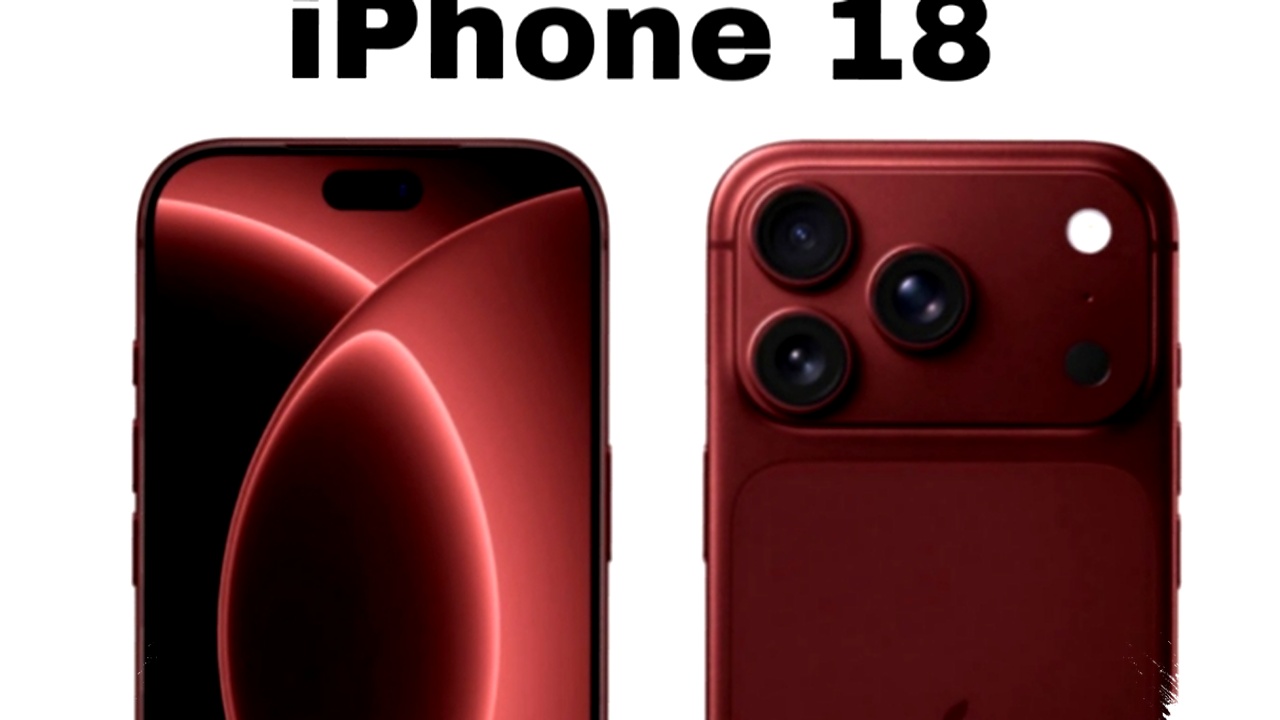
Apple is reportedly preparing a noticeable redesign for the iPhone 18 Pro lineup, with the biggest change centered on a larger-looking display that reduces visual interruption at the top of the screen. The latest industry chatter suggests that Apple wants to push the front panel closer to a true full-screen look, while keeping the familiar premium feel that defines the Pro series.
The iPhone 18 Pro is expected to arrive in 2026, and the early reports point to thinner bezels, a cleaner front design, and more advanced camera technology under the display. If those plans move forward, Apple could move one step closer to an iPhone without a notch or Dynamic Island, a transition many users have anticipated for years.
A cleaner front design is the main focus


The most talked-about change is the effort to make the bezels much slimmer. A smaller border around the screen would increase the screen-to-body ratio and make the display feel larger without requiring a bigger phone.
This approach matches Apple’s usual design philosophy. The company often prefers gradual refinements instead of dramatic redesigns, especially for its flagship models.
That strategy helps Apple keep the device familiar while still improving the user experience. For many buyers, a thinner bezel is one of the most visible signs of premium engineering.
Under-display camera technology remains the long-term goal
One of the key technologies linked to the iPhone 18 Pro is the under-display front camera. If Apple adopts this system successfully, the selfie camera could sit behind the screen and disappear from view when not in use.
That would create a cleaner front panel and could eliminate the notch entirely. It could also remove the Dynamic Island, depending on how Apple integrates sensors and camera components into the panel.
The challenge is not only hiding the camera, but also keeping image quality strong. Several Android manufacturers have already tested under-display cameras, but many still struggle with softer image output and reduced clarity compared with traditional front cameras.
What Apple must solve before making the switch
Apple usually waits until new display technologies are reliable enough for mass-market use. That matters because the company has built its smartphone reputation on consistency, polish, and high-quality hardware integration.
Here are the main technical hurdles Apple likely needs to overcome before fully removing visible front-camera hardware:
- Maintain strong camera quality for selfies and video calls.
- Preserve Face ID performance or redesign biometric authentication.
- Keep display brightness and panel uniformity stable above the camera area.
- Avoid visible artifacts in daily use, such as blurry patches or screen damage over time.
These concerns explain why Apple has not rushed into a full under-display solution. The company tends to wait until a feature can meet its own standards, not just market expectations.
Titanium body and premium materials may continue
Beyond the screen, the iPhone 18 Pro is also expected to keep a premium build. Reports suggest Apple may continue using titanium or a similar high-end material, mainly to balance durability and weight.
Titanium has helped Apple position recent Pro models as lighter-feeling but still sturdy. That material choice also supports the company’s premium branding, especially in a market where competitors keep raising the bar on design and finishing.
Apple may also refine the internal layout to improve efficiency. A more compact and smarter internal structure could help the company make room for display components, thermal management, and a larger battery or improved cooling system.
Apple Silicon and AI features will likely play a larger role
The iPhone 18 Pro is projected to use a next-generation Apple Silicon chip built on a smaller fabrication process. A smaller node usually improves power efficiency and can increase performance, which matters as phones take on more demanding tasks.
That could be especially important for on-device AI features. Apple has been expanding its AI roadmap, and future iPhones are expected to handle more local processing for tasks such as image enhancement, personal assistance, and real-time system optimization.
A more powerful chip would also support the display upgrade. High-resolution panels, advanced camera processing, and AI-driven tools all depend on efficient hardware.
Why the iPhone 18 Pro matters for Apple’s product direction
The iPhone 18 Pro may not be a radical redesign, but it could represent one of the clearest steps toward a truly full-screen iPhone. Apple has often used its Pro models to test technologies before broader adoption, and this generation may follow that pattern.
For users, the biggest appeal is simple: a larger-feeling display with fewer visual distractions. The move would improve watching videos, browsing, gaming, and everyday scrolling without making the phone physically larger.
It would also help Apple keep pace in a premium smartphone market that increasingly values design minimalism. Competitors continue to push bezel reduction, hidden cameras, and AI-rich hardware, so Apple’s next Pro model may need to deliver both refinement and technical confidence.
What to watch as rumors develop
So far, Apple has not confirmed any of the reported changes for the iPhone 18 Pro. Most of the information comes from industry reports and analyst commentary, which means Apple could still adjust the design before launch.
Still, the pattern is clear. Apple appears to be working toward a more seamless front display, stronger internal efficiency, and a deeper integration of hardware and AI across the iPhone line.
If the under-display camera becomes ready in time, the iPhone 18 Pro could be remembered as the model that finally moved Apple closer to a notch-free future, while keeping the refined build and polished software experience that define the Pro series.