


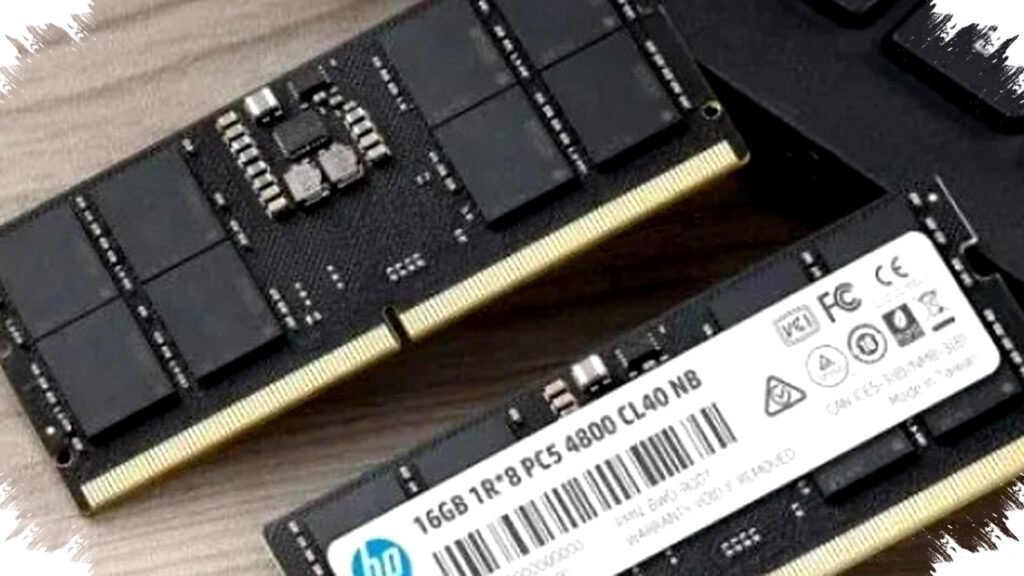
A Reddit user has gone viral after buying a 64GB DDR5 RAM kit for just $6.99, or about $110,000 in Indonesian rupiah. The memory module normally sells for far more than that, with global prices for the same class of kit often landing between $580 and $630.
The story spread quickly across r/pcmasterrace after the user, u/L0OK0UTT, posted a receipt and photos showing the purchase was real. What looked like a routine stop at a liquidator store turned into an unusual tech bargain that has caught the attention of PC enthusiasts everywhere.
A premium RAM kit for the price of a coffee
The product in question is a Crucial DDR5-5600 SO-DIMM kit with 2x32GB capacity, delivering a total of 64GB. This type of memory is usually used in high-end laptops, compact workstations, and premium mini-PCs that need strong multitasking performance.
In normal retail channels, the price of a kit like this often sits around $580 to $630. Depending on taxes and distribution, buyers in some markets can pay even more, which makes the $6.99 purchase stand out even further.
That price gap explains why the post drew so much attention. It was not just a discount. It was a rare pricing error that turned an expensive component into a near-impulse buy.
How the purchase happened
According to the Reddit post, the RAM was found at a local liquidator store. These stores usually sell returned goods, excess inventory, and clearance stock from major retailers such as Amazon, Best Buy, or Walmart.
In this case, the RAM package had no clear price label. When the cashier scanned it, the store system did not recognize the barcode.
Unable to find the item in the internal database, the cashier reportedly entered a flat price of $6.99. The transaction went through, and the buyer walked away with hardware worth many times the amount paid.
| Item | Typical Market Price | Buyer Paid |
|---|---|---|
| Crucial DDR5-5600 SO-DIMM 64GB | $580–$630 | $6.99 |
Why liquidator stores create pricing surprises
Liquidator stores operate differently from standard electronics retailers. They buy returned items, surplus stock, and unsold inventory in bulk, often at a steep discount from large companies.
Because the volume is high and cataloging every product takes time, some items are sold without updated pricing. Others still carry original barcodes that no longer match the store’s system. In some cases, workers rely on manual entries when the database fails to identify an item.
This setup can create unusually low prices, but it can also produce inconsistent ones. Buyers may overpay for common items, while rare moments like this one allow valuable hardware to slip through at a tiny fraction of the normal cost.
Why this RAM is especially valuable
Not all memory modules are equal. DDR5-5600 SO-DIMM is a more advanced form of laptop memory, designed to support faster data transfer and better efficiency than older DDR4 modules.
A 64GB setup is also far beyond what most casual users install. It is generally aimed at power users who edit video, run virtual machines, work with large datasets, or use creative software that demands more memory headroom.
That is why the deal resonated so strongly with hardware enthusiasts. It was not a random accessory or low-cost cable. It was a high-capacity performance component that many buyers would consider a serious investment.
What the community said
The Reddit post quickly triggered reactions ranging from disbelief to envy. Many users called it one of the best deals they had ever seen, while others joked that the buyer had effectively found “gold in a pile of returns.”
The receipt helped calm early skepticism, since online stories about huge discounts can sometimes be exaggerated or fake. In this case, the combination of a visible receipt and clear product details made the story far more credible.
Several commenters also shared their own lucky finds from liquidation stores. Some mentioned low-cost SSDs, while others described graphics cards or accessories bought for a fraction of their normal selling price.
How to spot a real bargain in a liquidation store
For shoppers interested in trying their luck, the odds are never guaranteed. Still, there are a few practical habits that can help when browsing liquidator shelves.
-
Check premium categories first.
Memory, SSDs, GPUs, and branded peripherals often have the biggest price differences between retail and liquidation. -
Inspect the packaging carefully.
Look for sealed boxes, intact labels, and signs that the item has not been opened or damaged. -
Use your phone to verify the model.
A quick search can show whether the item is worth $20 or several hundred dollars. -
Visit regularly.
Inventory changes fast, and the best finds often disappear soon after arriving. - Ask questions at checkout.
Staff may know whether the product has no listed price or if the system is failing to recognize it.
These steps do not guarantee a miracle deal, but they can help buyers avoid mistakes and identify unusual opportunities.
A reminder of how pricing can break down
Stories like this highlight a simple truth in retail: price is not always tied to intrinsic value. A product can be expensive in one setting and nearly worthless in another if the store system cannot classify it correctly.
In this case, the buyer benefited from a chain of small failures. The item lacked a label, the scan did not match, and the cashier used a default price rather than rejecting the sale. Each step pushed the final amount lower until a premium RAM kit became a budget purchase.
That does not make the event typical. Liquidator stores are still unpredictable, and most visits will not produce a story like this one. But for shoppers who understand hardware and know what to look for, the occasional surprise can be significant.
What happened at this store shows how a misplaced barcode and a default price can turn a high-end DDR5 memory kit into one of the most extreme tech bargains seen online this year, and it also explains why liquidator hunting continues to attract bargain seekers who are willing to inspect every shelf closely.