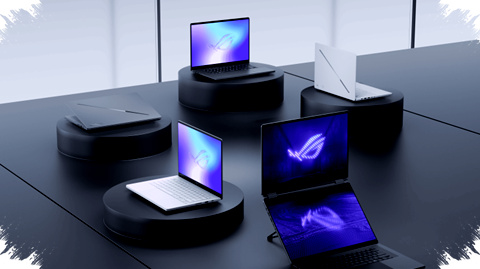
Asus has refreshed its ROG Zephyrus G14 lineup for 2026 with a clear focus on higher graphics performance, AI-ready computing, and the same compact form factor that made the series popular. The headline change is the move to NVIDIA GeForce RTX 50 Series Laptop GPUs, which positions the new model as one of Asus’ most capable portable gaming machines for 2026.
The updated Zephyrus G14 keeps its premium ultraportable identity. Asus says the laptop still weighs around 1.5 kg and starts at 1.59 cm thick, while also carrying a 73Wh battery that can charge to 50 percent in about 30 minutes.
A compact gaming laptop with a stronger graphics foundation

The biggest draw of the 2026 model is the new GPU lineup. Asus offers configurations from the GeForce RTX 5060 up to the RTX 5080 Laptop GPU, all paired with GDDR7 memory for the latest generation graphics platform.
That matters for buyers who want a thin gaming laptop without giving up frame rates in demanding titles. It also helps content creators who rely on GPU acceleration for rendering, video editing, and other workloads that benefit from dedicated graphics horsepower.
For Google Discover readers searching for what makes the new G14 different, the answer is simple: Asus is trying to keep the laptop light and portable while raising the ceiling on raw performance.
Display upgrades aim at gamers and creators
The 14-inch screen is another major selling point. Asus uses a ROG Nebula HDR OLED panel with 3K resolution, or 2880 x 1800 pixels, plus a 120Hz refresh rate and G-Sync support.
The panel is also Pantone validated, which gives it stronger appeal for users who care about color accuracy. That makes the laptop more versatile than a typical gaming machine because it can serve both as an entertainment device and as a work tool for photo, design, or video tasks.
Here is a simple breakdown of the display and multimedia features:
- 14-inch ROG Nebula HDR OLED panel
- 3K resolution, 2880 x 1800 pixels
- 120Hz refresh rate
- G-Sync support
- Pantone validation for color accuracy
This combination places the G14 in a narrow but competitive category of premium compact laptops that must satisfy both gamers and creative users.
Intel and AMD versions give buyers more choice
Asus is not relying on a single platform for the 2026 Zephyrus G14. The company is offering both Intel-based and AMD-based versions, which gives it flexibility in how it targets different buyers.
The Intel model can go up to the Core Ultra 9 386H, and Asus says that chip includes an NPU rated up to 50 TOPS for local AI processing. The AMD version uses Ryzen AI processors with an integrated NPU, so both sides of the lineup support on-device AI features.
That approach reflects how the laptop market is changing. Gaming notebooks are no longer evaluated only by graphics and refresh rate, because buyers now look at AI acceleration, battery efficiency, and productivity features as part of the overall package.
Memory and storage are built for heavy workloads
Asus has also equipped the Zephyrus G14 2026 with hardware that matches its premium label. Depending on the configuration, the laptop can come with up to 64GB of LPDDR5X RAM and up to 2TB of PCIe 4.0 SSD storage.
Those specifications matter for users who keep many applications open at once. They also help when handling large game libraries, high-resolution media files, and multitasking scenarios that would quickly stress a lower-end system.
The practical benefit is straightforward: the laptop should feel responsive even when used for gaming, streaming, creative work, and general productivity in the same session.
Connectivity and audio stay close to flagship standards
On the connectivity side, the 2026 Zephyrus G14 supports Wi-Fi 7 and the latest Bluetooth standard. That gives it faster wireless transfer speeds and lower latency, which is useful for online gaming, cloud workflows, and fast accessory pairing.
Asus also keeps the audio system at a premium level. The laptop includes four speakers, Dolby Atmos support, and AI noise-canceling features for clearer voice communication.
These details may not be the main reason someone buys the laptop, but they help define the premium experience. In this segment, small quality-of-life features often separate a good machine from a standout one.
Cooling remains critical in a thin chassis
A slim gaming laptop only works if the thermal design can sustain performance. Asus says it has improved the cooling system for the Zephyrus G14 2026 to keep performance stable during intensive use.
That is especially important for models configured with higher-end RTX 50 Series GPUs. Thin-and-light gaming laptops often struggle to balance noise, heat, and sustained performance, so thermal tuning becomes as important as the CPU and GPU themselves.
The company has not released deep public thermal data in the reference material, but the positioning suggests Asus wants the G14 to remain a performance-first machine rather than a style-only portable laptop.
Why the RTX 50 Series matters for the Zephyrus G14
The RTX 50 Series is the key reason the 2026 Zephyrus G14 stands out. In simple terms, it gives Asus room to push the laptop beyond previous-generation mobile GPU performance while keeping the chassis relatively compact.
For gamers, that should translate into better handling of modern titles with higher visual settings. For creators, it opens the door to faster exports, smoother editing timelines, and more capable GPU-accelerated workflows.
The candidate buyer for this laptop is usually looking for a balance of three things:
- A machine light enough to carry every day
- Enough power for demanding games and creative work
- A premium display and battery life that make it practical beyond gaming
The 2026 G14 appears designed around that exact profile.
Premium positioning, but no Indonesia price yet
Asus has introduced the laptop globally, but it has not announced an official price for Indonesia. That leaves the local market waiting for a clearer picture of how aggressively Asus will price the model versus rivals from other premium gaming brands.
Even without pricing, the device is clearly aimed at the upper tier of the market. The combination of RTX 50 Series graphics, OLED display, AI-capable processors, and a thin chassis points to a product that is meant to compete on both performance and design.
Industry sources and Asus’ own positioning suggest the company is pushing the Zephyrus line further into the space where gaming, productivity, and AI-driven workflows overlap. That makes the 2026 version more than just a refresh, because it reflects where premium laptops are headed in 2026 and beyond.