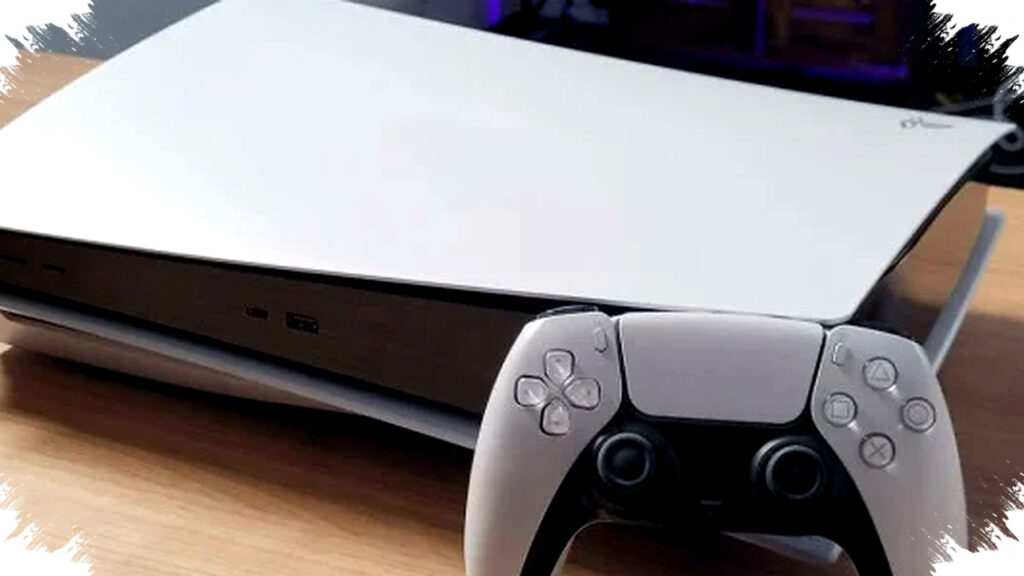
Sony has officially raised PS5 prices worldwide, and the new pricing starts taking effect on April 2, 2026. The adjustment covers the standard PlayStation 5, the Digital Edition, the PS5 Pro, and the PlayStation Portal in key markets including the United States, the United Kingdom, Europe, and Japan.
The move comes amid persistent global economic pressure, higher production costs, and ongoing memory shortages that continue to affect the gaming hardware supply chain. Sony said the decision was made after “careful consideration” and framed it as necessary to protect the quality of its services and gaming ecosystem.
Why Sony Raised PS5 Prices Again
Sony’s latest price hike reflects a wider problem that has affected several hardware makers over the past year. Component costs remain volatile, and memory shortages have pushed up manufacturing expenses across consumer electronics.
In this case, Sony did not announce any hardware upgrades or new features. That means customers are paying more for the same console and accessory lineup, which makes the pricing change more about market conditions than product improvements.
The company also signaled that the revision is not a short-term marketing adjustment. Price increases have already happened in some regions before, and Sony is now repeating that strategy as inflationary pressure and supply constraints continue to shape the industry.
New PS5 Prices by Region
Sony’s new prices differ by region, but the increases are broad enough to affect most major markets. Below is a simplified breakdown of the new pricing structure based on the company’s latest update.
| Region | PS5 Standard | PS5 Digital Edition | PS5 Pro | PlayStation Portal |
|---|---|---|---|---|
| United States | about $449 | about $399 | about $599 | about $199 |
| United Kingdom | about $449 | about $399 | about $579 | not specified |
| Europe | about $449 | about $399 | about $579 | not specified |
| Japan | about $379 | about $349 | about $499 | about $199 |
The figures above are approximate and reflect the pricing level described in Sony’s update. The most noticeable jump is the PS5 Pro, which now sits close to premium gaming PC territory in some markets.
What Changed in the U.S. Market
In the United States, the standard PS5 now costs about $449. The Digital Edition is priced at roughly $399, while the PS5 Pro has climbed to around $599.
The PlayStation Portal also saw a price adjustment and now sits at about $199. That makes Sony’s remote-play handheld accessory noticeably more expensive than before, even though the device itself has not changed.
For many buyers, the U.S. update matters most because it often acts as a benchmark for global pricing. When Sony moves prices in the U.S., other regions usually feel the effect soon after or in similar proportion.
UK and Europe Also Feel the Impact
The United Kingdom and Europe are also part of the global reset. The standard PS5 now sits around $449 in the UK, while the Digital Edition is about $399 and the PS5 Pro is close to $579.
Europe received a similar adjustment, with prices moving in a comparable range across the console lineup. That consistency suggests Sony is not reacting to one isolated market, but to a broader financial strain affecting its entire hardware business.
For consumers in these regions, the increase may also interact with local tax structures and retail pricing policies. That can make the final shelf price higher than the company’s base figure, especially once distributor margins are added.
Japan Sees a Smaller but Still Noticeable Jump
Japan remains one of Sony’s most important home markets, but it is not exempt from the price adjustment. The standard PS5 now costs about $379, while the Digital Edition is around $349 and the PS5 Pro reaches roughly $499.
The PlayStation Portal in Japan has also increased to about $199. Even though the Japanese pricing appears lower than in Western markets, the move still matters because it affects one of Sony’s strongest brand regions.
This also shows that currency balance and domestic cost pressure are both part of the final pricing formula. Sony appears to be protecting margins across all major territories rather than focusing on one region alone.
What This Means for Buyers in 2026
For consumers, the timing is difficult because PS5 demand has not disappeared. New games, accessories, and ongoing ecosystem support still keep the console attractive, but higher prices can delay purchases for budget-conscious buyers.
A price hike at this stage may also push some customers toward the used market, discounted bundles, or older PS5 stock if retailers still have units at pre-increase prices. In some cases, buyers may wait for seasonal promotions instead of paying the new standard rate.
- Check local retail stock before buying.
- Compare bundle pricing with standalone console pricing.
- Watch for promotions during holiday or mid-year sales.
- Consider whether the Digital Edition meets your needs.
- Compare PS5 Pro pricing with gaming PC alternatives if performance matters.
These steps matter more now because Sony’s new price list reduces the gap between different PS5 models and makes the premium version harder to justify for casual players.
Sony Is Not Alone in Adjusting Hardware Prices
Sony’s move also fits a larger trend in the technology sector. Other console makers and hardware brands have faced similar pressure from inflation, logistics costs, and component shortages.
That broader context matters because it shows the increase is not simply a Sony decision in isolation. The gaming industry depends on tightly linked supply chains, and when memory pricing or production costs rise, the impact often reaches consumers quickly.
Sony has also increased PS5 prices in selected markets before this latest round. That history suggests the company is willing to protect profitability even if it risks frustrating buyers.
No Hardware Upgrade, Only a Price Reset
Sony made one detail clear: the consoles are not getting a spec update. The PS5 standard, PS5 Digital Edition, PS5 Pro, and PlayStation Portal remain the same devices, with the same features and performance profiles.
That point is important because it means the 2026 announcement is purely financial. Buyers are not receiving a new model, a larger storage option, or a redesign to justify the higher cost.
As April 2 arrives, the updated price list will likely shape retail demand in all major markets. The real question for many consumers is whether they will still see enough value in the PS5 lineup to buy now, or wait for discounts, bundles, or a better buying window later in 2026.