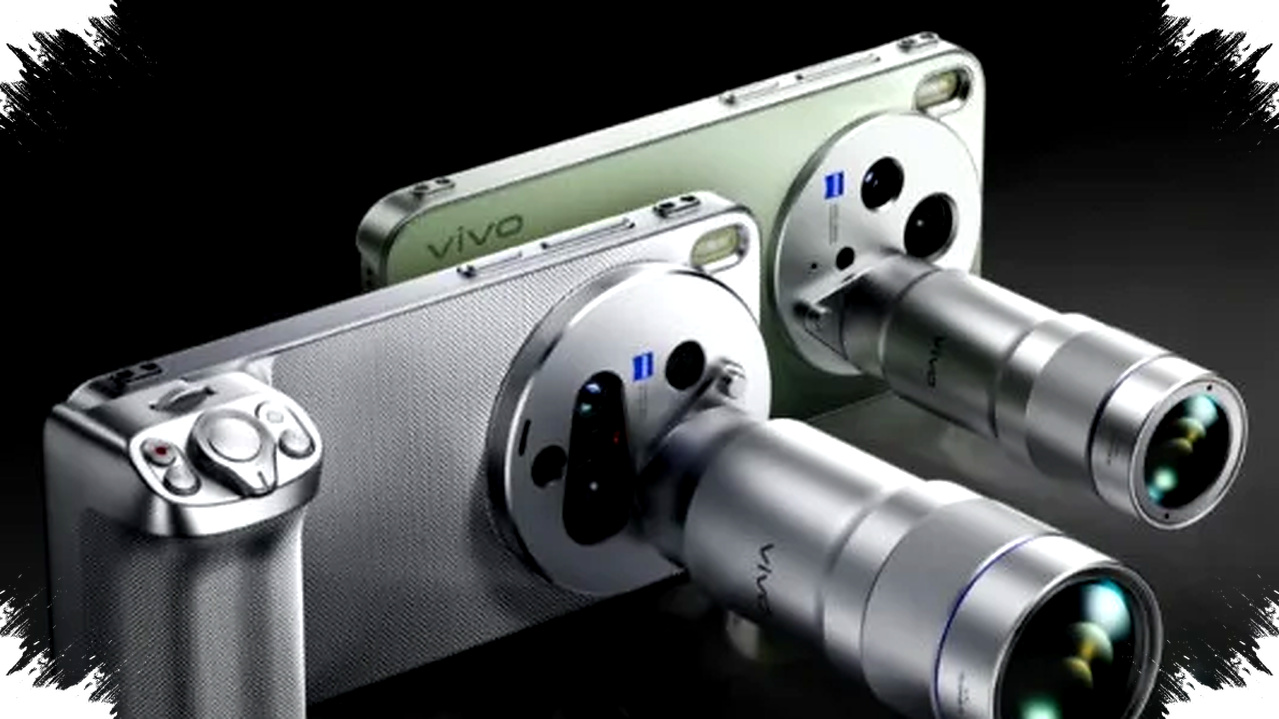
Vivo is preparing to widen its X300 flagship lineup, and the X300s is now emerging as one of the most closely watched models ahead of launch. The device is expected to debut in China on March 30, 2026, alongside the Vivo X300 Ultra, with a set of leaks pointing to a practical premium phone built around Zeiss-tuned cameras and a massive 7,100mAh battery.
The latest reports suggest that Vivo wants the X300s to sit between convenience and high-end performance. It appears to target users who want flagship features without moving to the most expensive Ultra tier, while still getting a large display, strong imaging hardware, fast charging, and durability features usually reserved for top models.
A More Practical Flagship Approach


Vivo’s X-series has long focused on camera quality, polished design, and strong battery life, and the X300s seems to continue that formula. Early information indicates that Vivo is positioning the phone as a balanced alternative in the premium segment rather than a pure spec showcase.
That strategy matters because many flagship buyers now prefer devices that are easier to handle daily, not just phones that win benchmark charts. A flat screen, large battery, and high-end camera package could give the X300s a clearer identity in a crowded market.
The device is also expected to arrive with a familiar premium design language. Leaks point to a metal frame and a large circular camera module on the back, both of which have become recognizable visual cues in recent Vivo flagships.
Display: Flat Panel, High Refresh Rate, and BOE Q10+
According to the leak, the Vivo X300s will use a 6.78-inch flat display with 1.5K+ resolution and up to a 144Hz refresh rate. The panel is said to be a BOE-made Q10+ display, which should help improve brightness efficiency while keeping power use in check.
A flat panel may sound less dramatic than a curved one, but it often improves grip and makes the phone easier to use for gaming, reading, and everyday navigation. This choice also aligns with the idea of a practical flagship aimed at broader usability.
A 144Hz refresh rate would place the phone among the smoother premium displays on the market. If Vivo tunes the panel well, users could expect fluid scrolling, responsive animations, and a more comfortable visual experience during extended use.
Camera Setup Centered on Zeiss Tuning
Vivo continues to lean on its collaboration with Zeiss, and the X300s appears to benefit from that partnership once again. The leaked camera arrangement includes a 200MP main camera, a 50MP ultrawide lens, a 50MP periscope telephoto camera, and a 50MP front camera.
That configuration suggests flexibility rather than simple megapixel inflation. The main sensor should handle detailed everyday shots, the ultrawide lens can cover landscapes or group photos, and the periscope telephoto module should help with portrait and long-range zoom work.
- 200MP main camera for detailed primary shots
- 50MP ultrawide for wider scenes and group photography
- 50MP periscope telephoto for zoom and portrait use
- 50MP front camera for selfies and video calls
Vivo’s recent camera phones have shown that software processing matters as much as hardware. Even when rivals match sensor sizes, Vivo often relies on image tuning, color science, and Zeiss optical refinement to improve real-world results.
That approach may be especially important for the X300s, since the device is not being described as the most extreme imaging model in the series. Instead, it seems designed to deliver a dependable, versatile camera experience that appeals to everyday users and mobile photography fans alike.
7,100mAh Battery Could Be the Biggest X-Series Cell Yet
One of the biggest talking points around the X300s is its battery. Leaks indicate a 7,100mAh battery, which would make it the largest battery ever used in Vivo’s X-series lineup.
If confirmed, this capacity could significantly improve endurance for heavy users. A battery this large should help with screen-on time, gaming sessions, video streaming, and long days away from a charger, especially when paired with an efficient chipset and display.
Charging speeds also look strong on paper. The phone is said to support 90W wired charging and 40W wireless charging, offering a mix of fast top-ups and convenient cable-free charging.
That combination matters because large batteries sometimes create concerns about long charging times. In this case, Vivo appears to be addressing that problem with both high-wattage wired charging and respectable wireless support.
Expected Performance with Dimensity 9500
Vivo has not officially confirmed the chipset, but several reports indicate that the X300s could run on MediaTek’s Dimensity 9500. If that proves accurate, the phone should be competitive in the flagship class across multitasking, photography processing, and demanding games.
A modern high-end chipset would also support smoother camera performance, more efficient power management, and better thermal control. Those factors could matter just as much as raw speed, especially for users who expect a phone to stay fast and stable after months of use.
For a device with a 144Hz display and a large battery, a strong processor would help maintain the balance Vivo seems to be aiming for. It would also keep the X300s competitive against other premium Android phones launching in the same period.
Extra Features That Strengthen the Package
Beyond the headline specifications, the X300s is expected to include several features that improve daily usability. These include an X-axis linear motor for more precise haptic feedback, dual stereo speakers for richer audio, and an ultrasonic 3D fingerprint sensor for security.
The phone is also rumored to carry IP68 and IP69 ratings, which would provide stronger resistance to dust and water than many rivals offer. That level of protection adds practical value for buyers who want a premium phone that can survive everyday accidents better.
USB 3.2 support is another useful detail. Faster USB data transfer can make the device more attractive for creators and users who move large video files, photos, or backups between devices regularly.
What the Leak Suggests About Vivo’s Market Direction
The X300s appears to reflect a broader trend in the smartphone market: flagship features are increasingly being split into different tiers to serve different types of buyers. Some users want the most advanced Ultra model, while others want nearly the same experience in a simpler package.
Vivo seems ready to use the X300s to capture that second group. By combining a flat flagship display, a large battery, Zeiss-backed cameras, high charging speeds, and strong durability, the phone could appeal to people who value everyday comfort as much as premium performance.
That positioning may also help Vivo compete more directly with other Android brands that now market “balanced flagship” devices. In this category, battery life, camera consistency, and ergonomics often matter more than a single standout spec.
The official unveiling on March 30, 2026 will determine how much of this leak-driven picture becomes reality. For now, the Vivo X300s looks like a carefully planned flagship with practical strengths, and the mix of a 7,100mAh battery, Zeiss camera tuning, and a 6.78-inch 144Hz flat display gives it a profile that should attract attention well beyond launch day.