Samsung did not need a flagship to win the volume race in 2024. According to the reference article, the best-selling Samsung phone was the Galaxy A15, not a premium Galaxy S model, and that strong demand pushed Samsung to move quickly with a successor, the Galaxy A16 5G, in less than a year.
That detail matters because it shows where the market is actually growing. Many buyers still care more about price, battery life, screen quality, and long software support than about luxury features, and Samsung appears to be tuning the A-series to meet that demand.
Samsung’s real bestseller came from the mid-range, not the premium tier
The report makes one point very clearly: the Galaxy A15 became Samsung’s most sold phone in 2024. That is a useful reminder that the biggest sales numbers in Android often come from entry-level and affordable mid-range devices, not from products that generate the most headlines.
This trend is not surprising if you look at how people buy smartphones in large markets. Most buyers want a device that feels modern, runs daily apps smoothly, lasts all day, and does not cost too much, so the A-series often has a wider audience than the Galaxy S line.
The host quoted in the source article also stressed this contrast directly, saying people would be wrong to assume the best-selling Android phone of 2024 was a flagship. That statement aligns with broader market behavior, where value-for-money models usually dominate sales volume.
Why the Galaxy A15 sold so well
The Galaxy A15 had the kind of formula that often works best in the mass market. It combined a recognizable Samsung brand name with practical features that matched the needs of everyday users.
In simple terms, the phone offered enough power for social media, messaging, browsing, and light gaming without entering premium pricing territory. For many consumers, that balance is enough to make a purchase decision.
- Affordable pricing for a wide audience
- Familiar Samsung design and software
- Battery life suited for daily use
- Hardware that felt good enough for standard tasks
- Brand trust in a crowded Android market
That combination helped the A15 stand out in a segment where many phones look similar on paper. Samsung also benefits from a retail ecosystem and global presence that keeps its A-series visible in stores and online marketplaces.
Samsung moved fast with the Galaxy A16 5G
What makes the story more interesting is the timing. The reference article says the Galaxy A16 5G arrived before the Galaxy A15 had even completed a full year in the market, which is fast by consumer-phone standards.
That quick refresh suggests Samsung saw strong momentum in the A-series and wanted to keep the category fresh. It also indicates that Samsung is willing to update its budget-friendly lineup aggressively when it finds a winning formula.
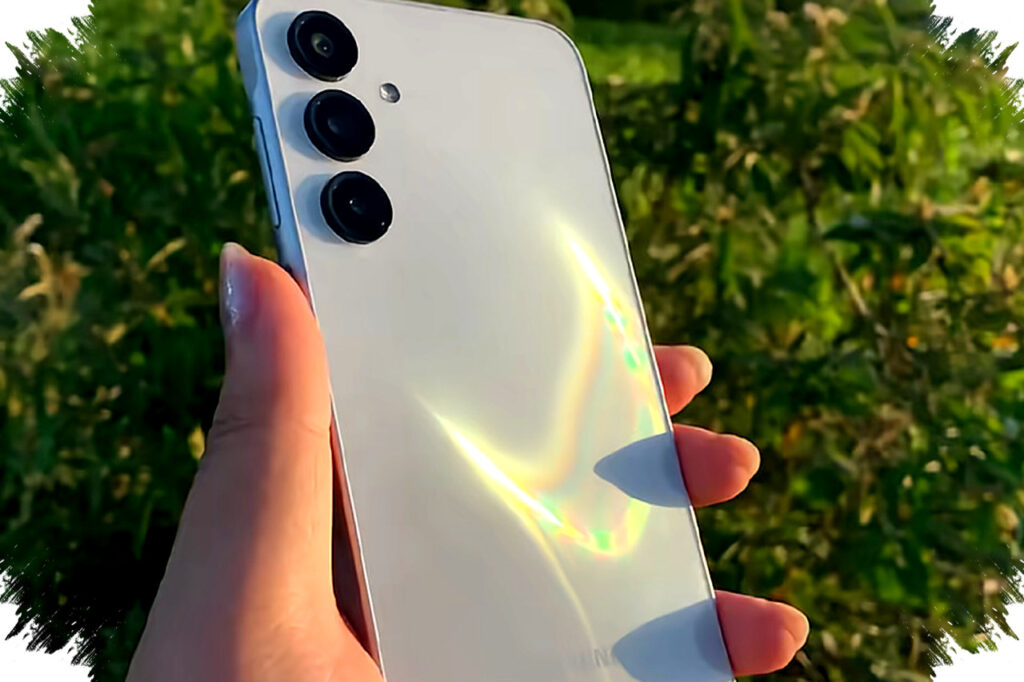
The Galaxy A16 5G does not appear to be a dramatic reinvention. Instead, it looks like a refinement of the same successful concept, with stronger hardware, a larger screen, and longer support as the main selling points.
What the Galaxy A16 5G brings to the table
Based on the reference article, the Galaxy A16 5G comes with a 6.7-inch Super AMOLED FHD+ display, a MediaTek Dimensity 6300 processor, 8GB of RAM, 256GB of storage, a 50MP triple camera setup, and a 5,000mAh battery. It also carries IP54 protection, which helps against dust and light splashes.
The most notable upgrade may be software support. The source claims the device gets six OS and security upgrades, which could take it as far as Android 20, depending on Samsung’s rollout policy and timing. If accurate, that is a major advantage for a phone in this price range.
For buyers, long software support matters for several reasons. It can extend the usable life of the phone, improve security, and make the device feel more future-proof than competitors in the same class.
Key specifications mentioned in the reference article
| Feature | Galaxy A16 5G |
|---|---|
| Display | 6.7-inch Super AMOLED FHD+ |
| Processor | Dimensity 6300 |
| RAM / Storage | 8GB / 256GB |
| Rear Camera | 50MP triple camera |
| Battery | 5,000mAh |
| Protection | IP54 dust and splash resistance |
| Software support | 6 OS and security upgrades |
The Samsung Galaxy A16 5G also aims to feel more comfortable in daily use. The article notes a thinner body, improved screen size, and a stronger processor, which should help with multitasking, gaming, and social media editing.
Why this matters for buyers in the mid-range segment
Samsung’s strategy here is easy to read. The company is not trying to make the A16 5G a flagship killer. Instead, it is trying to make a budget device that feels complete enough to satisfy users for years.
That approach can be powerful because many buyers now keep phones longer than before. If a device offers solid battery life, a good display, decent performance, and long-term updates, it becomes more attractive than a slightly cheaper rival that may age faster.
The A16 5G also reflects a broader industry shift. Phone makers are increasingly using software support as a selling point, especially in the lower price brackets where Android updates used to be limited.
For Samsung, that can be a smart way to defend its market share. A longer support window helps justify the purchase even when competing phones advertise higher raw specs.
What still needs to be watched
Even with its improved spec sheet, the Galaxy A16 5G still has to prove itself in the market. The reference article raises the key question: can it become another bestseller like the A15?
That will depend on more than hardware alone. Pricing, regional availability, carrier support, and consumer perception will all affect sales. If Samsung keeps the price close to the A15 while delivering better longevity, the odds improve significantly.
At the same time, the A16 5G enters a crowded category where rivals often compete aggressively on display quality, charging speed, and camera features. Samsung will need to show that its mix of software updates, AMOLED display quality, and brand reliability offers enough value to stand out.
For now, the story of the A15 and A16 5G shows how Samsung’s best-selling phone is not always its most expensive one, and how the company continues to use the Galaxy A-series as its most important tool for reaching mainstream Android buyers.