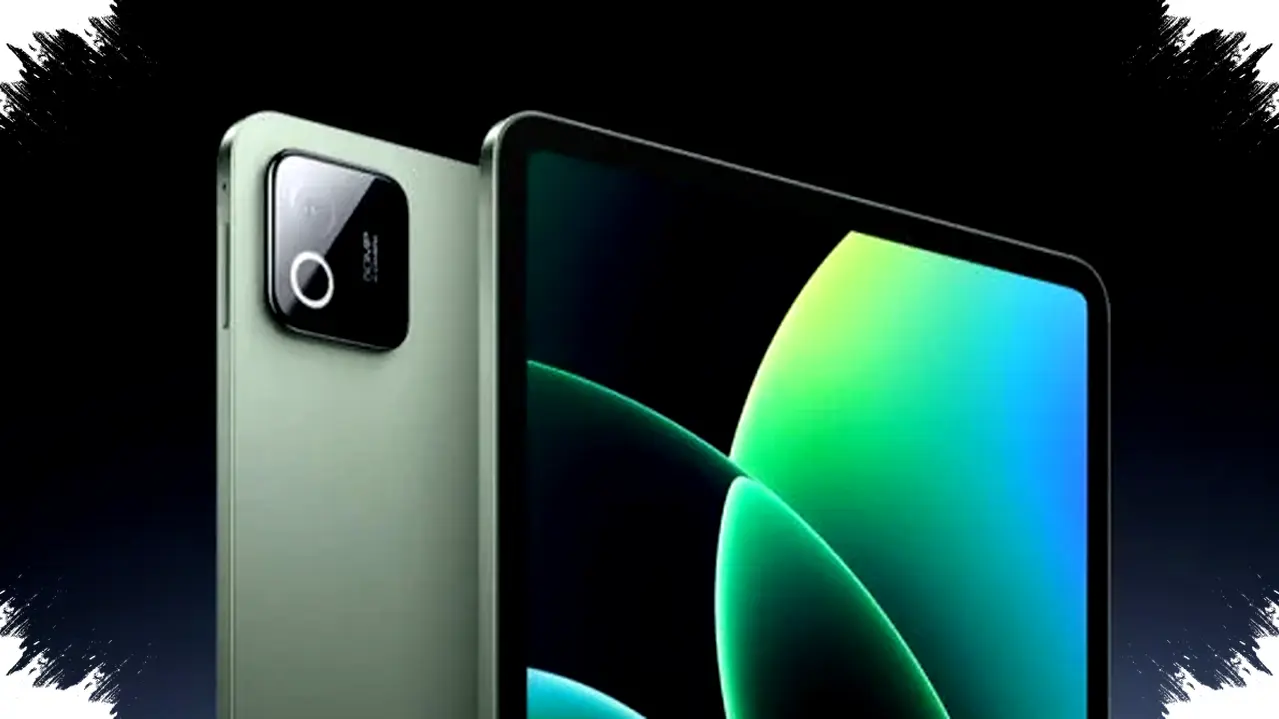
Xiaomi has officially brought the Xiaomi Pad 8 Pro to Indonesia, and this launch signals a clear shift in the company’s tablet strategy. Instead of focusing mainly on gaming and entertainment, Xiaomi now positions the device as a serious productivity tool with laptop-like features.
The tablet runs HyperOS 3 and carries hardware that targets users who need speed, portability, and multitasking in one compact device. With a Snapdragon 8 Elite chipset, a 3.2K display, and a set of workstation-focused tools, the Xiaomi Pad 8 Pro is designed to compete not only with premium tablets but also with entry-level ultrabooks.
From Entertainment Tablet to Work Companion
Xiaomi’s latest move reflects the growing demand for tablets that can do more than stream video or run casual apps. The Pad 8 Pro now enters a category where users expect full-day mobility, strong processing power, and desktop-style workflows.
That direction becomes clear through HyperOS 3, which introduces a Workstation Mode. The new interface allows the tablet to behave more like a desktop environment, with app docking at the bottom of the screen and a layout that feels more suitable for serious work.
In practical use, this means users can switch between writing, editing, browsing, and communication tasks more naturally. Xiaomi is not simply adding features for marketing value, because the entire software experience supports the idea that the Pad 8 Pro can serve as a daily productivity device.
Snapdragon 8 Elite and High-End Memory Configuration
The biggest headline on the hardware side is the Snapdragon 8 Elite. Xiaomi uses one of the fastest mobile processors available today, and that gives the tablet a strong foundation for heavy workloads.
The top configuration pairs 12GB of LPDDR5T RAM with 512GB of UFS 4.1 storage. That combination is important for users who open many apps at once, handle large files, or edit documents and media on the go.
According to Xiaomi, the tablet scores around 3.2 million points on AnTuTu Benchmark. While benchmark numbers do not always reflect everyday use, the figure still indicates that the Pad 8 Pro sits in flagship territory and can handle demanding tasks without obvious slowdown.
For mobile gamers, this also matters. The same performance headroom that helps with productivity can also support high-frame-rate gaming, which makes the device flexible for users who want one tablet for both work and play.
A Thin Body With a Large Battery
Despite its premium hardware, the Xiaomi Pad 8 Pro stays relatively slim. The tablet carries a 9,200mAh battery, yet Xiaomi keeps the body at just 5.8mm thick and 485 grams in weight.
That balance matters because many large tablets become tiring to hold for long sessions. Xiaomi uses a full aluminum chassis to give the device a more refined feel while keeping it sturdy enough for travel and daily commuting.
The battery size also suggests long use time for office tasks, media consumption, and online meetings. For mobile professionals, battery endurance often matters more than raw specs, and Xiaomi clearly wants this device to last through a full day of mixed usage.
Workstation Mode Brings Desktop-Like Multitasking
Workstation Mode is one of the most important features in this launch because it changes how people use the tablet. Xiaomi allows up to four apps to run at the same time in floating windows, which creates a more flexible workspace than standard split-screen layouts.
This makes a difference for writers, students, editors, and remote workers who need to reference multiple sources at once. Instead of switching between apps repeatedly, users can keep a browser, document editor, messaging app, and notes app visible at the same time.
The inclusion of WPS Office in a PC-level interface strengthens the tablet’s work focus even further. Xiaomi says the experience goes beyond the usual mobile version, so users can work on documents, spreadsheets, and presentations in a way that feels closer to a laptop workflow.
Smartphone Mirroring and Ecosystem Integration
Another feature that stands out is smartphone mirroring. Xiaomi users can display their phone screen on the tablet in a responsive way, which creates a smoother cross-device experience.
This is useful for people who already own a Xiaomi phone and want to extend their workspace. The tablet can even act as a secondary monitor during video production, which suggests that Xiaomi is targeting creators and field workers who need extra screen space.
The feature also fits a broader trend in consumer electronics, where brands try to build more connected ecosystems. Apple has done this for years, and Xiaomi now appears more aggressive in bringing similar cross-device convenience to Android users.
11.2-Inch 3.2K Display With 144Hz Refresh Rate
The display is another major selling point. The Xiaomi Pad 8 Pro uses an 11.2-inch panel with 3.2K resolution and a 144Hz refresh rate, which should deliver sharp visuals and smooth motion.
The 3:2 aspect ratio makes the screen more practical for reading documents, editing slides, and browsing websites. It gives users more vertical space than a typical widescreen format, which is helpful in productivity scenarios.
Xiaomi also includes Dolby Vision and quad speakers with Dolby Atmos support. That combination makes the tablet more attractive for movie watching, gaming, and general media use. For users who want a device that works equally well for content and work, the display package is a major advantage.
The only noted weakness is outdoor brightness, which still leaves room for improvement under direct sunlight. That will matter for users who often use tablets in bright environments, such as cafes, airports, or outdoor work settings.
Focus Pen Pro Adds More Than Basic Stylus Input
Xiaomi also introduced the Focus Pen Pro, a more advanced stylus built to support creative and professional tasks. The pen includes haptics and gesture support, allowing pinch and rotation actions to adjust brush size quickly.
That detail matters for designers, illustrators, and presenters who need faster control without touching the screen repeatedly. The stylus also supports a Laser Pen Mode, which lets it function as a virtual pointer during presentations through a projector.
This turns the tablet into a more complete work tool, not just a touch device. Stylus support often decides whether a premium tablet feels useful in real work, and Xiaomi appears aware of that.
Indonesia Pricing and Update Commitment
Xiaomi is also backing the Pad 8 Pro with a strong software support promise. The company says the device will receive up to four major OS updates, reaching as far as Android 20, plus six years of security updates.
That level of support is important for buyers who see a tablet as a long-term investment. It also helps the Pad 8 Pro compete with premium devices that often depend on strong update policies to justify their price.
Here is a simple overview of the key points:
- Snapdragon 8 Elite chipset for flagship-level performance
- 12GB LPDDR5T RAM and 512GB UFS 4.1 storage on the top model
- 11.2-inch 3.2K display with 144Hz refresh rate
- 9,200mAh battery in a 5.8mm and 485-gram body
- HyperOS 3 with Workstation Mode and desktop-style multitasking
- Focus Pen Pro with gesture features and laser pointer mode
- Up to four OS upgrades and six years of security support
Xiaomi Pad 8 Pro enters Indonesia at a time when consumers want devices that can replace part of a laptop usage pattern without losing tablet convenience. With flagship performance, a productivity-first software layer, and a display built for both work and entertainment, Xiaomi has made its newest tablet look far more ambitious than a conventional Android slab.
-

-

-
-