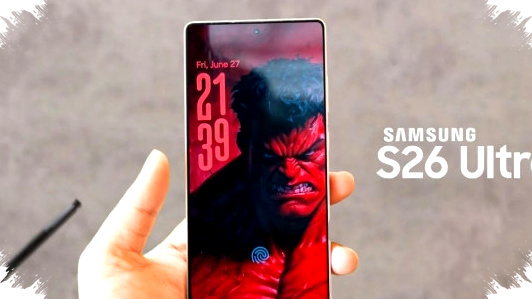
Samsung’s Galaxy S26 Ultra is shaping up to be one of 2026’s most talked-about flagship phones, and the reason is simple: it puts an AI-powered 200MP camera at the center of the experience for users who want instant, polished results. For creators, mobile photographers, and everyday users who rely on their phones for fast documentation, the device is positioned as a premium tool that can deliver high-end images without extra gear.
The appeal is not only about raw resolution. Samsung is pairing the 200MP sensor with real-time AI processing, a faster chip, and smarter editing features, which means the phone aims to do more of the work automatically before the user even opens a photo editor.
A flagship built around fast, ready-to-share photography
The Galaxy S26 Ultra was introduced at Galaxy Unpacked on February 25, 2026, and it started rolling out globally on March 11, 2026. Samsung placed it at the top of the Galaxy S26 lineup, with a clear emphasis on camera upgrades, AI performance, and premium productivity features.
The global starting price is around $1,299 for the base configuration. That puts it in the same ultra-premium bracket as other top-tier Android flagships, but Samsung appears to be betting that the combination of hardware and AI will justify the cost for users who want a phone that can replace several tools at once.
Why the 200MP camera matters for instant results
A 200MP sensor is not only about shooting oversized files. In practice, it gives the phone more data to work with, which can help improve clarity, crop flexibility, and post-processing quality after the image is captured.
Samsung says the camera system uses ProVisual Engine, which handles image processing with AI in real time. That matters for users who want photos that look good immediately, because the phone can improve detail, manage color, and refine exposure without requiring manual edits.
This is especially useful for people who post directly to social media, work on location, or need dependable images in changing light. Instead of taking several shots and fixing them later, the S26 Ultra is designed to produce more usable results on the first try.
The camera system goes beyond the main sensor
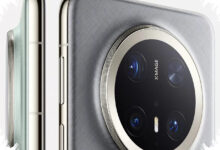
Samsung did not limit the upgrade to the primary camera. The Galaxy S26 Ultra also uses a quad-camera setup that includes telephoto and ultrawide lenses, along with optical zoom up to 5x.
That makes the device more practical for everyday shooting. Users can move from portraits to landscapes to distant subjects without switching devices, while still keeping a consistent image pipeline supported by Samsung’s AI tools.
Here is a simple view of what the camera setup is expected to deliver:
| Feature | What it means for users |
|---|---|
| 200MP main camera | High-resolution photos with more detail |
| ProVisual Engine | AI-based image processing in real time |
| Quad-camera system | More shooting flexibility across situations |
| Up to 5x optical zoom | Better capture of faraway subjects |
| AI image enhancement | Smarter HDR, low-light, and editing support |
This combination is important because many smartphone users do not want complex manual control. They want a camera that can handle most situations automatically and still produce images that look professional.
AI is the real selling point for busy users
The headline camera number attracts attention, but the software is what makes the S26 Ultra more relevant to instant-result users. Samsung has increased the role of AI in HDR, low-light photography, and automatic editing.
That means the phone can improve a photo faster and with less user effort. For someone shooting in a restaurant, at a press event, or while traveling, the benefit is obvious: less time adjusting settings and more time getting images ready for use.
Samsung’s approach reflects a larger trend in smartphone photography, where computational imaging matters as much as optics. The S26 Ultra is not being marketed as a phone for hobbyists who want to control every setting. It is being positioned as a device for people who want the camera to do the heavy lifting.
Privacy Display adds a different kind of value
The S26 Ultra also introduces Privacy Display, a feature that limits the viewing angle of the screen to help protect what is on display from people nearby.
This may not sound as flashy as a 200MP camera, but it is relevant for users who handle personal content, business documents, or private conversations on the go. In crowded public places, screen privacy can matter just as much as photo quality.
Samsung’s inclusion of this feature suggests the company is targeting not only content creators, but also professionals who use the phone as a work device and want more control over what others can see.
Strong hardware supports the AI focus
Under the hood, the Galaxy S26 Ultra is powered by Snapdragon 8 Elite Gen 5, a chipset focused on AI optimization and power efficiency. The device also offers up to 16GB of RAM and up to 1TB of storage, which puts it in the range of serious multitasking and large media workflows.
That matters because AI camera processing is only useful if the rest of the phone can keep up. High-resolution photos, 4K or higher video, and large editing files all need memory, storage, and strong chipset support to move smoothly.
For users who edit photos on the phone, manage large content libraries, or switch between camera, messaging, and cloud apps, the hardware package gives the S26 Ultra more room to perform without slowdowns.
Who benefits most from this phone?
The Galaxy S26 Ultra is likely to appeal to a few specific groups more than others. These users are the ones most likely to value the speed and convenience of Samsung’s AI camera system.
- Mobile creators who publish directly from their phones.
- Travelers who need reliable point-and-shoot quality in varied lighting.
- Professionals who document work, events, or products on the go.
- General users who want premium photos without editing them manually.
- Power users who need one device for photography, productivity, and storage-heavy workflows.
For these audiences, the value is not just in image resolution. It is in how quickly the phone can generate ready-to-use results with minimal effort.
Why Samsung’s timing matters in 2026
The Galaxy S26 Ultra arrives at a moment when smartphone buyers are paying closer attention to AI features that save time rather than just headline specs. Fast photo enhancement, automatic image correction, and smarter camera software are becoming central to the premium phone market.
Samsung’s strategy seems designed to meet that demand directly. By combining a 200MP sensor, real-time AI processing, advanced zoom, and high-end performance hardware, the company is making a clear argument that users can do more immediately from a phone and rely less on separate devices.
That is why the S26 Ultra stands out. It is not only chasing camera leadership through megapixels, but also through speed, automation, and practical output for users who want strong results the moment they press the shutter.