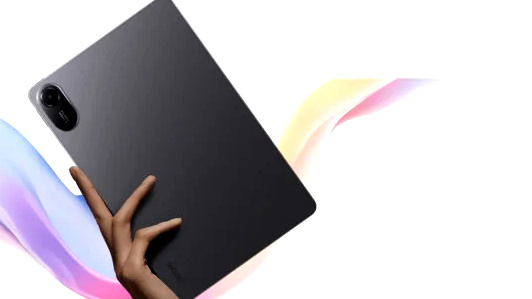
After the 2026 holiday season, many consumers are looking at tablets as a smart way to spend their THR bonus on a device that can handle work, study, entertainment, and light creative tasks. The market is more crowded than ever, and the good news is that buyers can now find capable tablets starting at about $60 to $180, depending on the class and features offered.
If your budget is limited, the safest approach is to match the tablet to your main use case rather than chase the biggest screen or the highest spec sheet. Based on hands-on impressions from gadget observers and current product positioning, these 10 tablets stand out in 2026 for value, performance, and ecosystem support.
What makes a tablet worth buying in 2026
A good tablet is no longer just about screen size. Buyers now need to check battery life, RAM, software support, stylus compatibility, connectivity, and whether the device can replace a laptop for basic productivity.
For many users, the most important factors are simple: smooth multitasking, a display that is comfortable for long viewing sessions, and enough battery to last through a full day. Tablets that support keyboard cases, pen input, or desktop-style modes also offer better long-term value.
1. Redmi Pad 2: the safest entry-level pick
At the entry level, the Redmi Pad 2 is one of the most balanced options. It brings a premium-looking build, HyperOS, a sharp 2.5K display, and a large 9,000 mAh battery that helps it last through long use.
It also supports the Redmi Pen, although the stylus is sold separately. For buyers around the $60 to $130 range, this tablet feels like the most conservative and low-risk choice.
2. Motopad 16 Neo: best value bundle
The Motopad 16 Neo stands out because the package already includes a keyboard and pen. That bundle matters for students and office users who want a tablet that can act like a compact laptop without extra spending.
Its PC Mode and Smart Connect features make it more practical for document editing and multitasking. With a price around $170 to $180, it offers one of the strongest value propositions in the lower midrange.
3. Techno Megapad 11: for budget gaming and connectivity
The Techno Megapad 11 focuses on performance and network flexibility. It uses 8 GB of RAM and supports SIM card connectivity, including 4G and 5G variants, which makes it appealing for users who need mobile data on the go.
This model does not support a stylus, so it is less attractive for note-taking or drawing. Still, for gamers who want a more affordable tablet with strong connectivity, it remains one of the more interesting options.
4. Infinix XPAD 20 Pro: large screen for multitasking
The Infinix XPAD 20 Pro targets users who want a bigger display without moving into expensive flagship territory. Its 12-inch panel gives more room for split-screen work, media consumption, and casual gaming.
It also comes with 8 GB of RAM and SIM card support, which keeps it versatile. The downside is that its software interface and audio tuning are not as refined as some rivals, so buyers should weigh size against polish.
5. Samsung Galaxy Tab A11 Plus: the most mature ecosystem
Samsung’s Galaxy Tab A11 Plus is one of the most complete choices in the midrange. Its biggest strength is the ecosystem, especially Samsung DeX, which gives the tablet a more desktop-like experience for work and productivity.
The device is available in Wi-Fi only and 5G versions, so users can choose based on usage needs. For people who want a stable, familiar, and productivity-friendly tablet, it is one of the most reliable picks in 2026.
6. Poco Pad M1: battery champion for entertainment
The Poco Pad M1 is designed for users who spend most of their time streaming, reading, or gaming. Its 12,000 mAh battery is the headline feature, and that capacity puts it among the strongest endurance options in its class.
It also brings a 12.1-inch screen and loud audio that can be pushed very high, making it feel more like a portable entertainment hub. For users who prioritize battery life over slimness, this is a serious contender.
7. Xiaomi Pad 7: performance leader for heavy use
The Xiaomi Pad 7 remains a strong recommendation for users who want speed. It can handle demanding games smoothly, including titles like CarX Street, and it also offers an excellent display for HDR video playback.
This tablet makes sense for buyers who want a fast all-rounder that can do more than basic media and browsing. In the $300 to $330 category, it has one of the best reputations for raw performance.
8. iPad A16 (2026): best for digital artists
The iPad A16 is a strong option for artists and creators because of its software ecosystem. Apps such as Procreate remain a major selling point, and CapCut’s desktop version also adds useful editing flexibility.
It also works well with third-party styluses while retaining palm rejection, which is important for drawing and note-taking. For users who care about creative apps more than hardware specs, this remains one of the most compelling tablets in 2026.
9. Huawei MatePad 11.5 (2026): office-style productivity
Huawei’s MatePad 11.5 (2026) is aimed at users who want a productivity-focused device with serious creative tools. Its GoPaint app is positioned as a near competitor to Procreate, while WPS PC gives it a more desktop-like office experience.
The main limitation is Google service compatibility, which may require adjustment depending on the apps you use. Even so, for users already comfortable with Huawei’s ecosystem, it offers a polished productivity package.
10. Xiaomi Pad 8: premium performance option
The Xiaomi Pad 8 sits in the higher-end segment and is built for users who want flagship-level speed. Reported AnTuTu scores exceed 2 million points, and the tablet can run demanding games like Wuthering Waves at maximum settings.
Its premium design and Dex-like mode also make it feel closer to a laptop replacement in daily use. For buyers with a bigger THR budget, it is one of the most powerful Android tablets to watch in 2026.
Quick buying guide by budget
- Around $60 to $130: Redmi Pad 2.
- Around $170 to $180: Motopad 16 Neo.
- Around $100 to $170: Techno Megapad 11.
- Around $200 to $260: Infinix XPAD 20 Pro or Samsung Galaxy Tab A11 Plus.
- Around $270 to $330: Poco Pad M1 or Xiaomi Pad 7.
- Around $350 and above: iPad A16, Huawei MatePad 11.5 (2026), or Xiaomi Pad 8.
For THR buyers, the smartest choice is the tablet that best matches daily use, not the one with the longest spec list. A student may get more value from the Motopad 16 Neo’s bundled accessories, while a creator may find the iPad A16 or Xiaomi Pad 7 far more useful, and a heavy streamer may prefer the Poco Pad M1’s huge battery and large display.
-

-
-
-