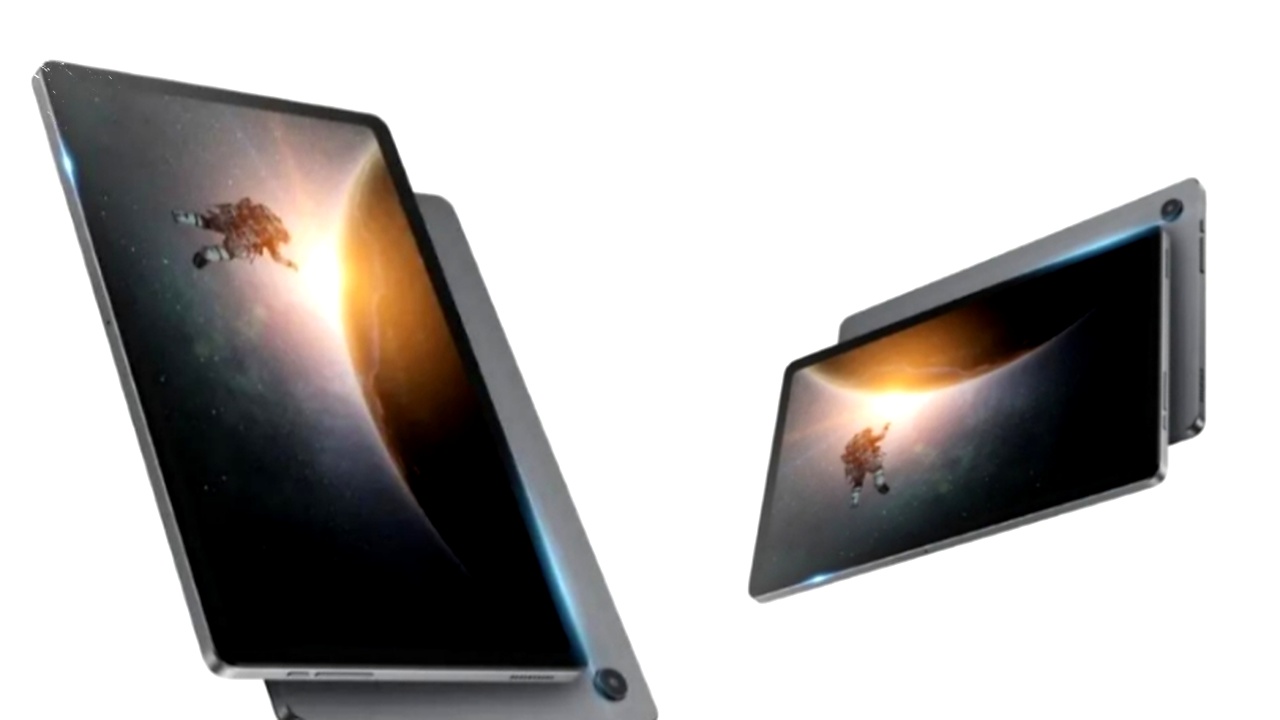
Tablet prices around the $60 to $95 range are becoming far more capable in 2026, and that is changing what buyers can expect from an entry-level device. What used to be a basic screen for watching videos now often comes with sharper displays, smoother interfaces, and enough power for study, browsing, and light productivity.
That shift matters because demand for affordable tablets keeps growing among students, mobile workers, and households that want one device for learning and entertainment. In this segment, the best options are no longer judged by price alone, but by how well they balance display quality, battery life, and everyday performance.
Why budget tablets are getting better in 2026


The biggest improvement in this price class starts with the display. Many low-cost tablets once relied on HD panels, but newer models now offer higher-resolution screens that look clearer for reading, video calls, and streaming.
A smoother refresh rate also makes a difference. Some devices in this segment now support 90Hz, which reduces visible stutter when scrolling social feeds or switching between apps.
Performance has also moved forward. Instead of relying on very old chips, many affordable tablets now use entry-level or lower-midrange processors such as MediaTek Helio or Unisoc platforms, which are good enough for daily tasks.
Memory configurations have improved too. Several models now ship with 4 GB of RAM and up to 128 GB of storage, while a few newer units are starting to push toward 6 GB of RAM in the same price band.
3 recommended tablets in the $60 to $95 range
Here are three options that stand out for buyers who want better speed and usability without moving into a higher budget.
| Model | Approx. price | Key strengths | Best for |
|---|---|---|---|
| Advan Tab VX Neo | around $82 | Large 10.1-inch screen, 6,200 mAh battery | Students and casual media use |
| Redmi Pad SE 8.7 | around $89 | 90Hz display, Helio G85 chip | Smooth scrolling and light multitasking |
| Honor Pad X7 | around $89 | Balanced performance and battery life | Schoolwork and all-day use |
Advan Tab VX Neo: large screen, practical battery life
The Advan Tab VX Neo is one of the most affordable choices in this group, priced at about $82. Its 10.1-inch display gives it a comfortable viewing area for reading documents, joining online classes, or watching streaming content.
Its 6,200 mAh battery is another practical advantage. For users who spend long hours away from a charger, that capacity can help the tablet last through a full day of moderate use.
The main appeal of this model is simplicity. It is not built for heavy gaming or demanding creative work, but it fits the needs of users who want a straightforward and low-cost tablet for everyday tasks.
Redmi Pad SE 8.7: smoother screen motion and better responsiveness
The Redmi Pad SE 8.7 is priced at around $89, and it stands out because of its 90Hz display. That feature gives the tablet a more fluid feel when scrolling, which is easy to notice during web browsing and app navigation.
This model uses the MediaTek Helio G85 chipset, which is a familiar name in the budget segment. It is capable enough for light multitasking, online learning, video playback, and casual entertainment.
For buyers who care about the feel of the screen as much as the core specs, this tablet offers a stronger everyday experience than many older entry-level models. It is especially relevant for people who spend a lot of time reading, watching, or switching between simple apps.
Honor Pad X7: a balanced option for students
The Honor Pad X7 also sits at roughly $89, and it is positioned as a well-balanced choice for students. The article source highlights its ability to last through the day without frequent charging, which is important for school schedules and travel.
That kind of battery reliability often matters more than raw speed in the budget segment. A tablet that stays on longer and remains stable during normal use can be more useful than a faster device that needs constant charging.
For users who mainly need a device for class materials, note-taking, browsing, and video learning, the Honor Pad X7 offers a practical middle ground. It may not be the most aggressive performer, but it matches what most buyers expect from an affordable tablet in 2026.
What buyers should expect from an affordable tablet in 2026
The modern budget tablet is no longer a device made only for basic video playback. In many cases, it can now handle online learning, digital reading, messaging, document editing, and streaming with fewer compromises.
That said, limits still exist. Tablets in the $60 to $95 range remain best suited for light to moderate tasks, not professional video editing or demanding mobile games with high graphical settings.
For clearer guidance, buyers can use this simple checklist before choosing:
- Look for a display that is at least comfortable for long reading sessions.
- Prefer a battery above 6,000 mAh if you need longer unplugged use.
- Choose at least 4 GB RAM for smoother multitasking.
- Select a known chipset such as Helio or Unisoc over untested alternatives.
- Match the tablet to your main use case, not just the lowest price.
Who should buy in this segment
Students are still the biggest audience for devices like these. A tablet in this class can support class platforms, reading apps, and video lessons without forcing buyers to spend on a more expensive device.
Families also benefit from this category because it offers a shared screen for entertainment, homework, and casual browsing. For many users, the value comes from convenience and portability rather than premium features.
The broader trend in 2026 is clear: affordable tablets are becoming more capable without losing their low-cost appeal. That makes the segment more competitive, and it puts pressure on brands to keep improving screens, batteries, and speed while staying inside a budget that remains close to the $60 to $95 range.