Google Pixel 11 is shaping up to be a familiar-looking flagship that pushes harder on performance than on looks. Early leaks suggest Google will keep the same overall design language while upgrading the phone’s internal hardware in a meaningful way.
That strategy may appeal to Pixel fans who value consistency, software support, and camera processing more than a new shape every year. Based on information reported by Gizmochina and attributed to leaker @OneLeaks in collaboration with Android Headlines, the Pixel 11 appears to be a refinement-heavy upgrade centered on Tensor G6, improved connectivity, and stronger AI features.
A design that stays close to Pixel 10


The leaked Pixel 11 dimensions point to a device that looks very close to its predecessor. The phone is said to measure 152.8 x 72 x 8.5 mm and to use a 6.3-inch LTPO AMOLED display, which means the familiar compact flagship form factor is likely intact.
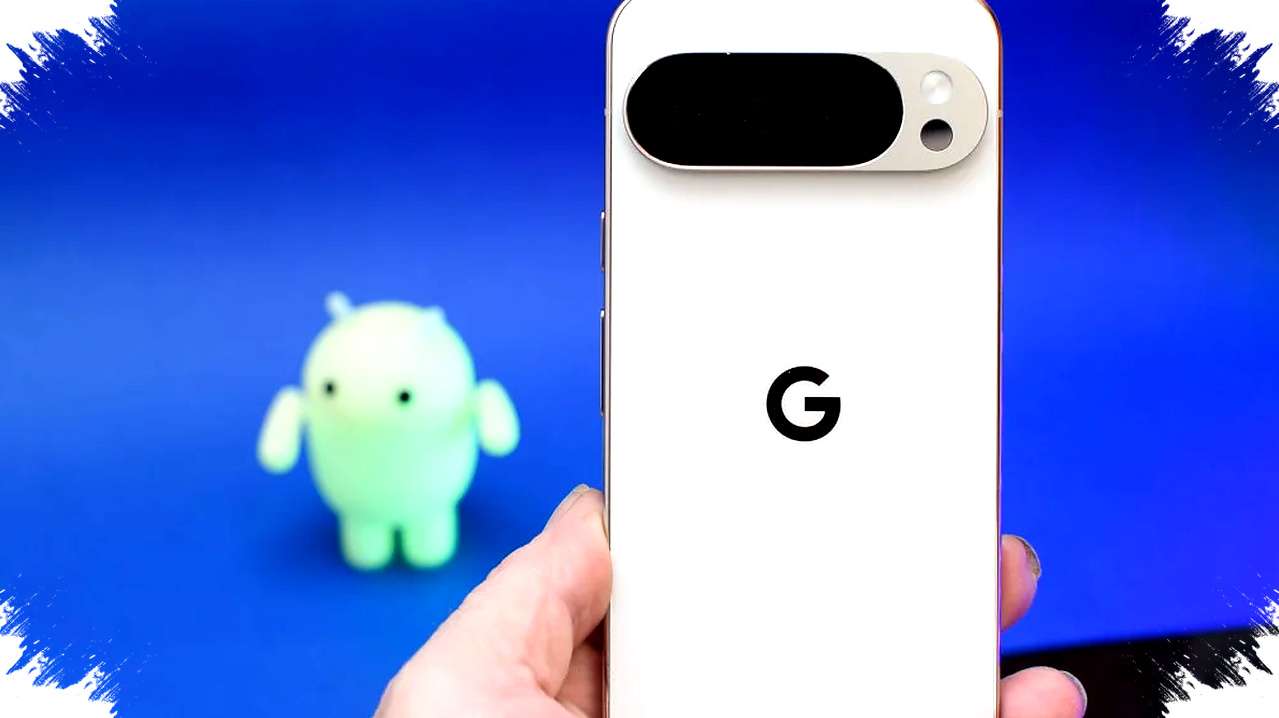
That matters because Google has spent several generations building a recognizable Pixel identity. The flat sides, clean back panel, and horizontal camera bar have become part of the brand’s visual signature, and the Pixel 11 reportedly keeps all of them.
The rear camera module may look a little different, but not in a dramatic way. Reports indicate the bar-style housing will remain, although it could be slightly larger while also appearing thinner in profile.
What the leaks say about the camera layout
Google is expected to stay with a triple-camera setup on the back. That signals continuity in camera hardware strategy, but it also suggests the company still sees photography as one of the Pixel line’s strongest selling points.
A table of the key leaked design and hardware points helps put the rumor set into context:
| Feature | Reported detail |
|---|---|
| Display | 6.3-inch LTPO AMOLED |
| Dimensions | 152.8 x 72 x 8.5 mm |
| Rear cameras | Triple-camera system |
| Battery | 5,000 mAh |
| Starting price | $799 |
| Expected OS | Android 17 |
The hardware may not look radically new from the outside, but that is not unusual for Google. The company often keeps the chassis conservative while using software and silicon changes to create the feeling of a bigger leap.
Tensor G6 is the real headline
The biggest upgrade in the Pixel 11 rumors is the Tensor G6 chipset. According to the leak, Google plans to use a 7-core architecture and manufacture the chip on TSMC’s 2nm process.
That combination is important for two reasons. First, a smaller manufacturing node can improve power efficiency, which should help battery life and thermal management. Second, a fresh chip design gives Google more room to optimize AI workloads, camera processing, and everyday responsiveness.
Tensor chips have always been about more than benchmark numbers, and the Pixel 11 appears to continue that approach. The company seems focused on practical gains such as smoother multitasking, faster on-device AI tasks, and better efficiency under heavy use.
A modem switch could improve stability
Another key change involves connectivity. The Pixel 11 is rumored to move to a MediaTek M90 modem, replacing the Samsung modem used in previous generations.
That is a notable shift because modem quality affects far more than signal bars. It can influence call reliability, data stability, battery drain, and how well the phone performs in weak-signal areas, especially for users who rely on mobile data all day.
If the leak proves accurate, the modem switch could be one of the most important under-the-radar improvements in the Pixel 11. Users may not notice it in a quick hands-on demo, but they will likely feel it over time through more stable connections and better power use.
Security and memory get a quiet but useful refresh
Google is also said to be introducing a new security coprocessor called Titan M3. Leak reports indicate the internal code name is “Google Epic,” and it would succeed Titan M2.
That fits Google’s broader Pixel strategy, which has always tied device security tightly to hardware. The company has been aggressive about security updates, verified boot features, and on-device protection, so a new Titan chip would strengthen that message.
Memory and storage also appear to get an update, though not a dramatic one. The Pixel 11 is expected to pack 12GB of RAM and storage options ranging from 128GB to 256GB.
There is also a possibility that the base model may start at 256GB. If that happens, it would reflect a broader industry trend where flagship phones increasingly skip lower storage tiers as app sizes, media files, and AI features demand more space.
Expected Pixel 11 specs at a glance
- 6.3-inch LTPO AMOLED display
- Tensor G6 chipset with 7-core architecture
- TSMC 2nm manufacturing process
- MediaTek M90 modem
- Titan M3 security coprocessor
- 12GB RAM
- 128GB to 256GB storage, with a possible 256GB base option
- 5,000 mAh battery
- Android 17 at launch
Software features may remain a major differentiator
The Pixel line has never depended on hardware alone, and the Pixel 11 appears to continue that pattern. Reports say Google is preparing new software-driven camera tools, including an ultra-low-light video mode that processes footage directly on the device.
That is a meaningful detail because on-device processing can reduce reliance on cloud services and speed up results. It also fits Google’s current push toward privacy-sensitive AI features that work locally whenever possible.
The phone is also said to include Cinematic Blur for 4K video at 30 frames per second. That feature could help users create more polished-looking clips without needing external editing tools.
Another rumored addition is more detailed lighting control for video recording. For creators and casual users alike, that kind of control can make a real difference when shooting indoors or in difficult lighting.
Battery and pricing remain competitive
Battery capacity is reportedly set at 5,000 mAh, which should keep the Pixel 11 in line with other modern flagship phones. For a compact 6.3-inch device, that figure looks strong on paper and should pair well with the expected efficiency gains from Tensor G6 and the new modem.
Pricing is another area where Google appears to stay disciplined. The Pixel 11 is expected to start at $799, which would place it in the same competitive flagship bracket as its predecessor.
That pricing choice matters because it suggests Google does not want the Pixel 11 to compete only on premium specs. Instead, it seems positioned as a balanced flagship with strong AI support, practical improvements, and a relatively familiar design at a still-accessible flagship price.
The most interesting part of the Pixel 11 leak is not that Google is changing everything, but that it is choosing where to change. The design looks comfortably close to the Pixel 10, while Tensor G6, the MediaTek M90 modem, Titan M3, and Android 17 point to a phone built around smoother performance and stronger day-to-day efficiency.